

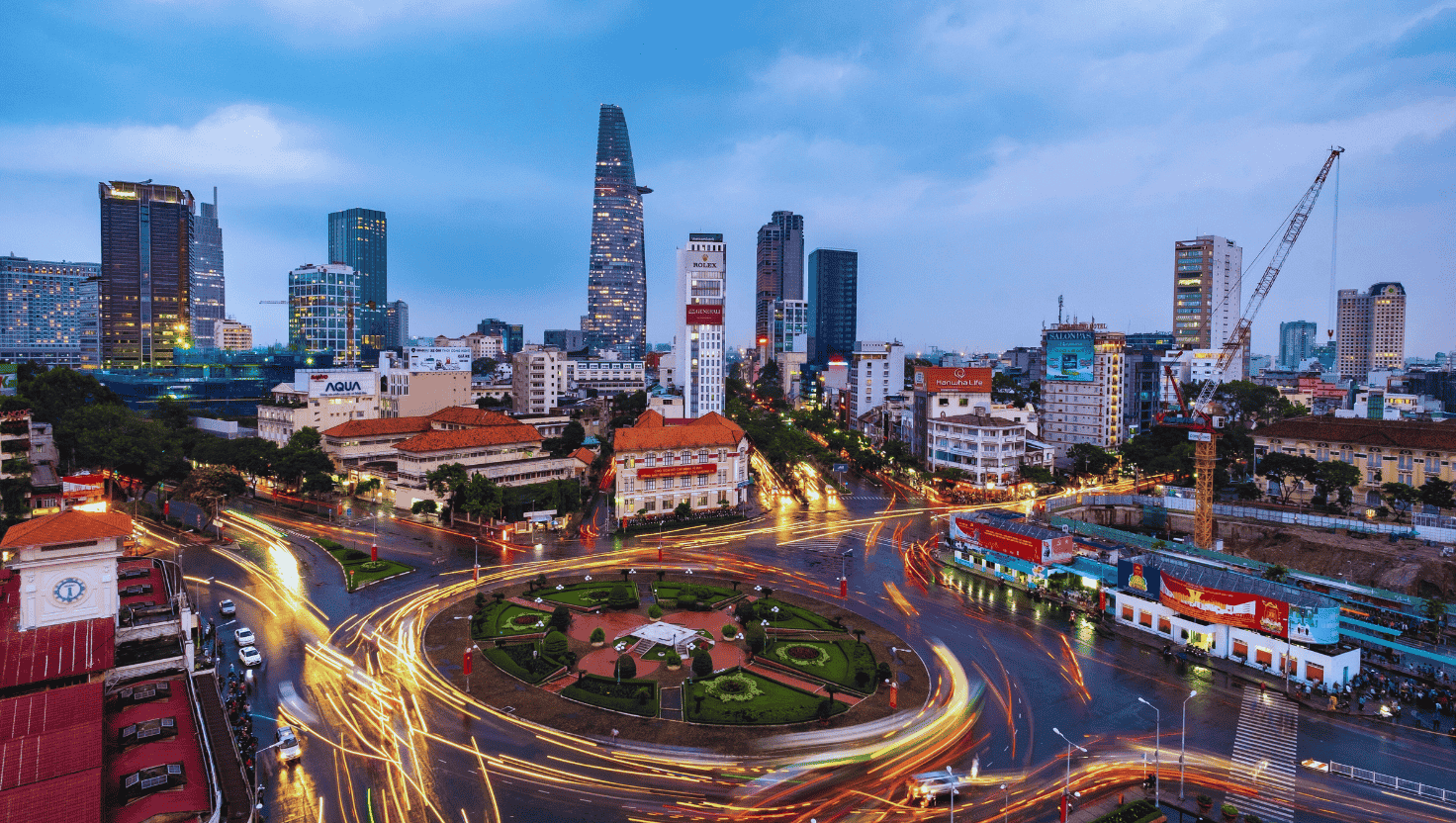
Ho Chi Minh City doesn’t walk; it runs. It doesn’t talk; it shouts. It’s a city in constant motion, an electric current of ten million people and eight million motorbikes, a symphony of horns, street vendors, and a chatter that envelops you from the moment you step onto its pavement. Officially, it’s Ho Chi Minh City. But in its heart, for its residents and for those who know it, it will always be Saigon—a name that whispers tales of colonial elegance, wartime drama, and unstoppable resilience.
Welcome to the economic heart and pulsating soul of modern Vietnam. This is not the sleepy, poetic Hanoi. Saigon is its younger, brasher, and louder brother, looking straight to the future with skyscrapers that pierce the sky, but with its feet firmly on the ground—on the streets where the best food you can imagine is cooked and eaten. The “Vietnamese buzz” isn’t just a phrase here; it’s a way of life.
This guide is your pass to that chaotic but irresistible world. We will lead you through the layers of its turbulent history, from the colonial “Paris of the Orient” to the epicenter of the Vietnam War, and reveal the secrets of its legendary and delicious street food. Get ready for a city that will exhaust you, exhilarate you, and feed you like no other.
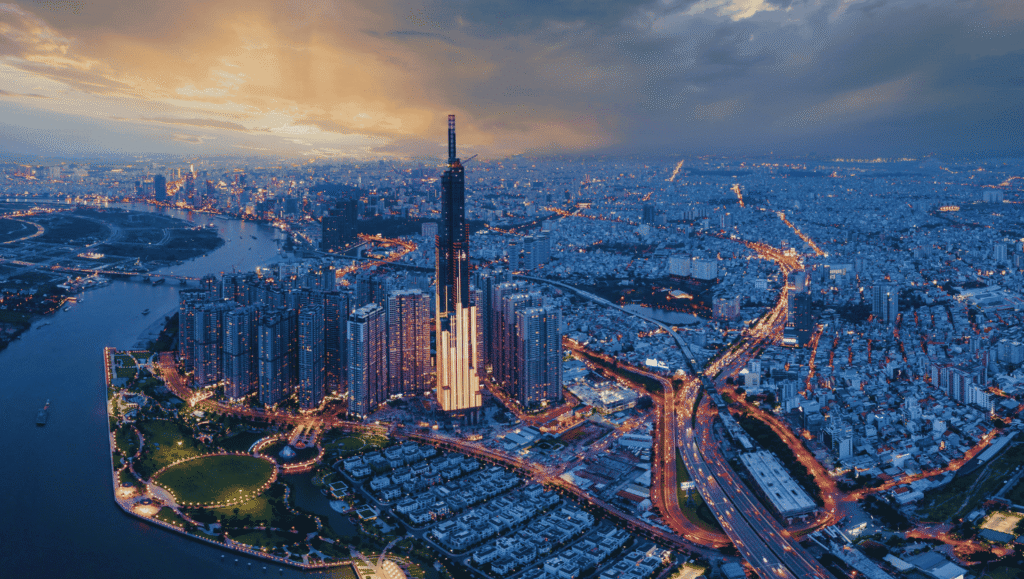
Why Ho Chi Minh City? An Energy That Conquers
In a country full of wonders, HCMC offers a unique and unforgettable experience.
- Unstoppable Energy: If you love dynamic, pulsating cities that never sleep, HCMC is for you. The energy on the streets is tangible and infectious.
- A Raw Look into Modern History: No place offers such a deep and harrowing insight into the Vietnam War. From the War Remnants Museum to the Cu Chi Tunnels, history here is alive and palpable.
- A Street Food Paradise: While Hanoi has its specialties, many argue that the south is the epicenter of Vietnamese cuisine. The food is bolder, sweeter, and more diverse, and the street food culture is second to none.
- The Gateway to the South: HCMC is the perfect starting point for exploring the fertile Mekong Delta, the “rice bowl” of Vietnam.
- A Fusion of Old and New: The city is a fascinating collision of worlds—from centuries-old pagodas and colonial buildings to ultra-modern skyscrapers, luxury rooftop bars, and shopping malls.
From Saigon to Ho Chi Minh: A Story of Resistance and Rebirth
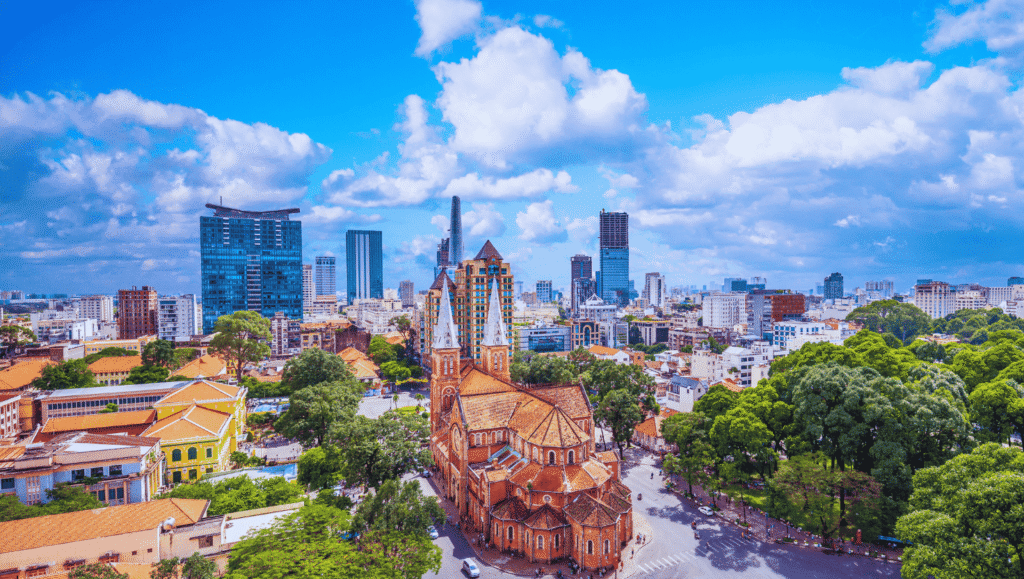
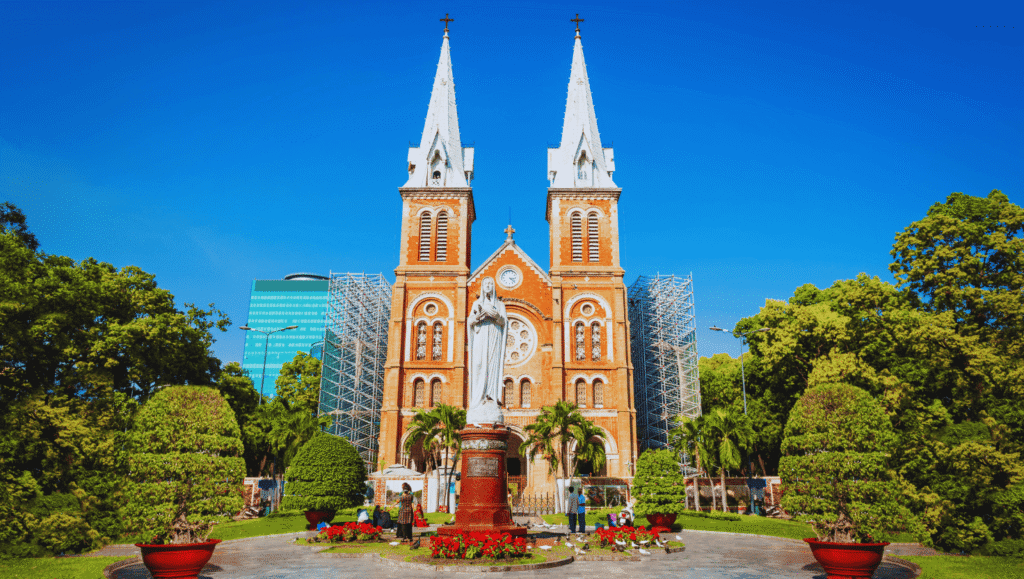
While Hanoi has a millennial history as a capital, modern Saigon’s story begins later. In the 19th century, the French transformed it into the glittering capital of their colony, Cochinchina. They built wide boulevards, an opera house, and cathedrals, giving it the nickname “Paris of the Orient.”
In the 20th century, the city became an epicenter of drama. After the country’s division in 1954, Saigon became the capital of South Vietnam, backed by the United States. During the Vietnam War (or as the Vietnamese call it, the American War), the city was a hub of political intrigue and military operations.
History changed on April 30, 1975, when North Vietnamese tanks crashed through the gates of the Presidential Palace. The Fall of Saigon marked the end of the war. The city was soon renamed Ho Chi Minh City in honor of the revolutionary leader. Today, the city carries both names with pride. Ho Chi Minh City is the official name symbolizing unity, while Saigon is the name that carries the soul, nostalgia, and the unstoppable, rebellious spirit of the past.
Practical Guide: Navigating the Buzz
- Getting There: Tan Son Nhat International Airport (SGN) is relatively close to the city center. The yellow bus #109 is a great, cheap option to get downtown (District 1). Ride-hailing apps like Grab are also very popular and reliable.
- Getting Around:
- Grab: The absolute king of transport. Use the app for incredibly cheap and efficient rides by car (GrabCar) or motorbike (GrabBike).
- Walking: The city center (District 1) is explorable on foot, but be prepared for heat, humidity, and constantly dodging motorbikes.
- The Districts: The city is divided into districts. Most tourist attractions are in District 1. District 3 is known for great local food, while District 5 is home to the sprawling Chinatown, Cholon.
History Lessons: Echoes of the War
To understand Vietnam, you must confront its wartime past. HCMC offers the most direct and moving insight.
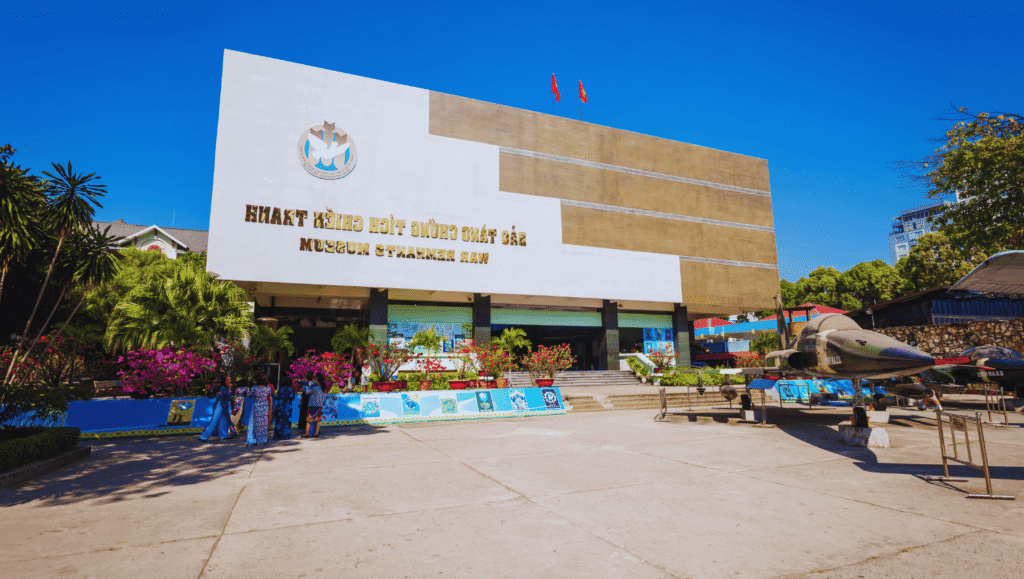
1. War Remnants Museum
- What it is: This is not a neutral depiction of history; it is a powerful, harrowing, and often brutal portrayal of the war from the Vietnamese perspective.
- What to See: The courtyard displays American tanks, planes, and helicopters. The interior is what leaves the strongest impact, with photo galleries showing the horrific consequences of the war, particularly the use of napalm and Agent Orange.
- Recommendation: A must-see, though difficult, history lesson for all adult visitors. Be emotionally prepared.
2. Cu Chi Tunnels
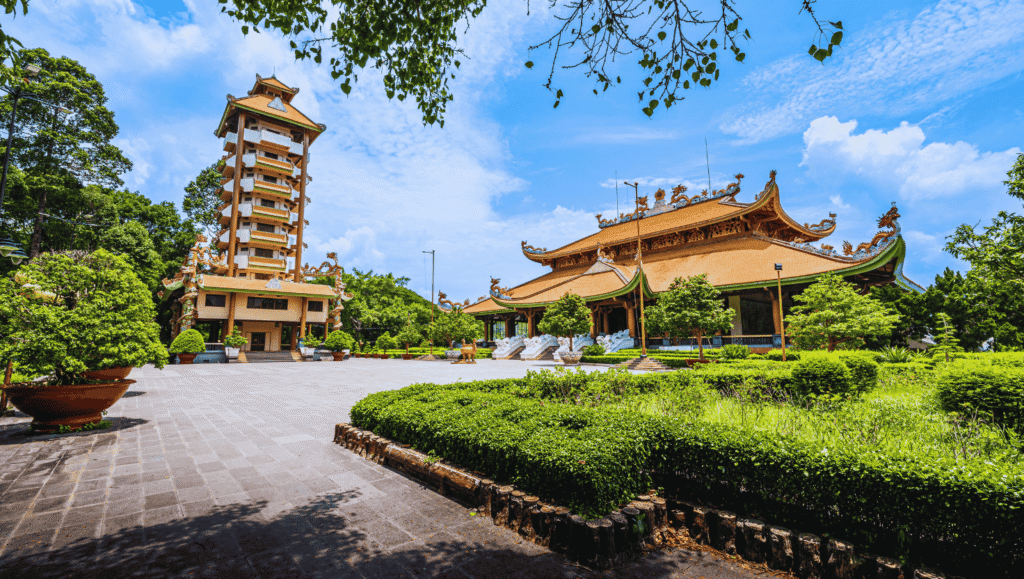
- What it is: A vast underground network of tunnels on multiple levels, used by Viet Cong fighters during the war as hiding spots, communication channels, hospitals, and weapon caches.
- The Experience: This is usually a half-day trip from HCMC. The tour includes seeing ingenious but gruesome traps, hidden entrances, and having the chance to crawl through a section of widened tunnels yourself. It’s a claustrophobic but fascinating experience that offers a glimpse into the incredible resilience of the Viet Cong.
- Recommendation: For adventurers and military history buffs. Not for those with claustrophobia.
3. Reunification Palace
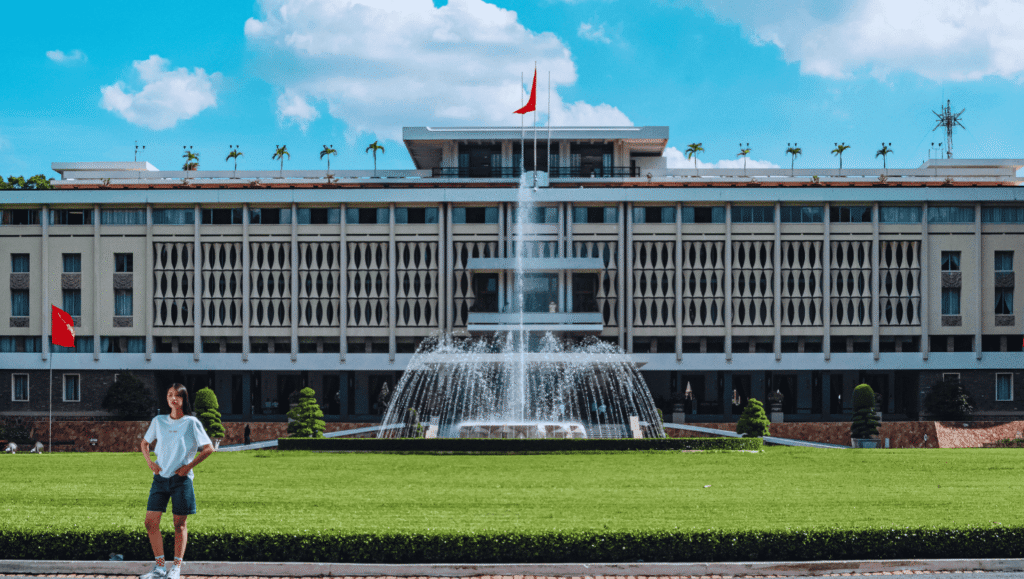
- What it is: The former Presidential Palace of South Vietnam, the place where the war officially ended.
- The Experience: The palace is frozen in time. You can tour the presidential offices, reception rooms, private quarters, and, most interestingly, the basement bunker with its old telecommunications equipment. It’s a fascinating window into the aesthetics and politics of the 1960s and ’70s.
The Vietnamese Buzz: Exploring the Modern City
- District 1: The Heart of the Action:
- Notre Dame Cathedral & Central Post Office: Admire the beautiful French colonial architecture. The post office was designed by Gustave Eiffel.
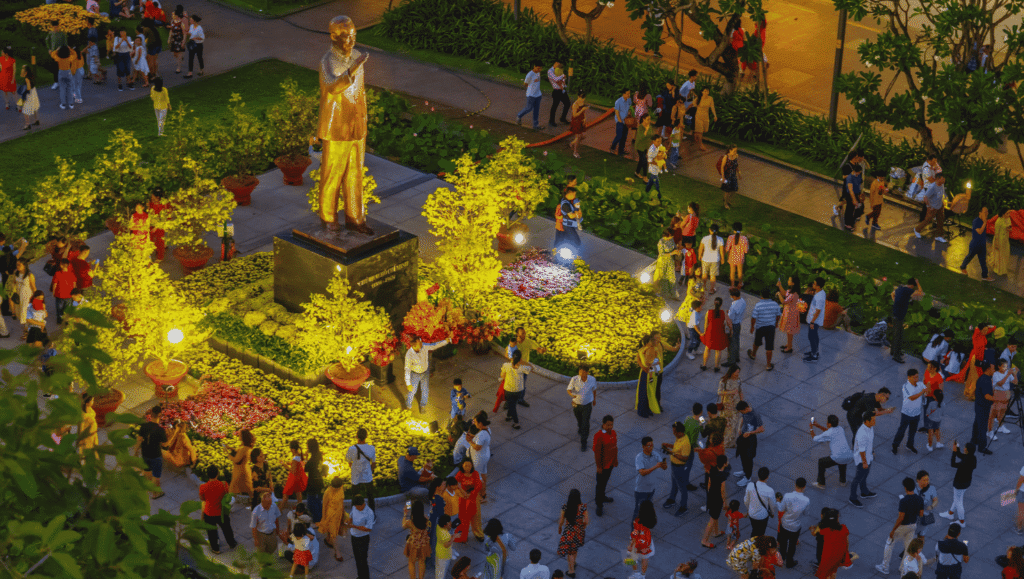
- Nguyen Hue Walking Street: A massive, modern pedestrian promenade that comes alive at night.
- Bitexco Financial Tower & Skydeck: Climb this lotus-shaped skyscraper for the best panoramic view of the entire city.
- Cholon (District 5): The city’s Chinatown. Visit the bustling Binh Tay Market and the beautiful, incense-filled Thien Hau Pagoda.
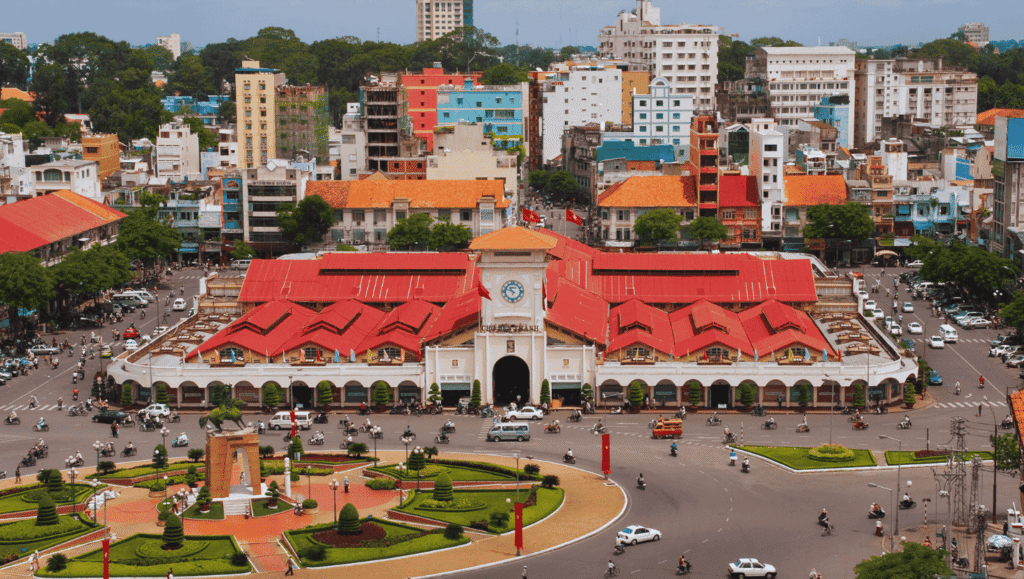
- Ben Thanh Market: The most famous market in the city. By day, it’s a labyrinth of stalls. At night, a vibrant street food market opens around it.
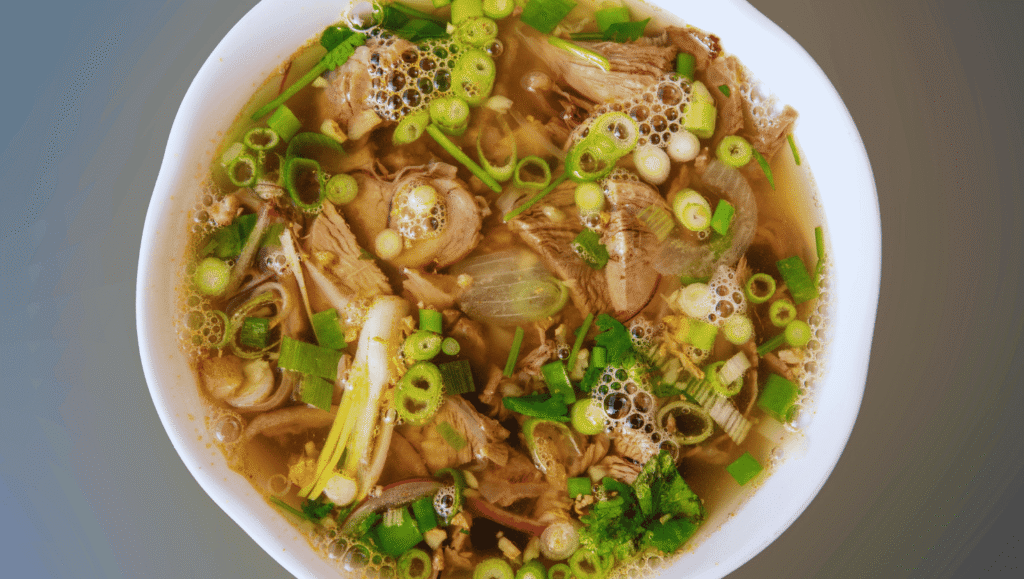
A Feast on the Pavement: A Guide to Saigon’s Street Food
This is the highlight of any visit.
- Phở Sài Gòn: The southern version of the famous noodle soup. The broth is often slightly sweeter, and it’s served with a huge platter of fresh herbs (basil, mint, bean sprouts) that you add yourself.
- Cơm Tấm (Broken Rice): A Saigon classic. Cheaper, broken rice grains served with a grilled pork chop, shredded pork skin, a fried egg, and pickled vegetables. Incredibly delicious.
- Bánh Mì: A crispy baguette filled with pâté, various meats, and fresh vegetables. The perfect meal on the go.
- Hủ Tiếu Nam Vang: Another popular southern noodle soup with pork, shrimp, quail eggs, and clear rice noodles.
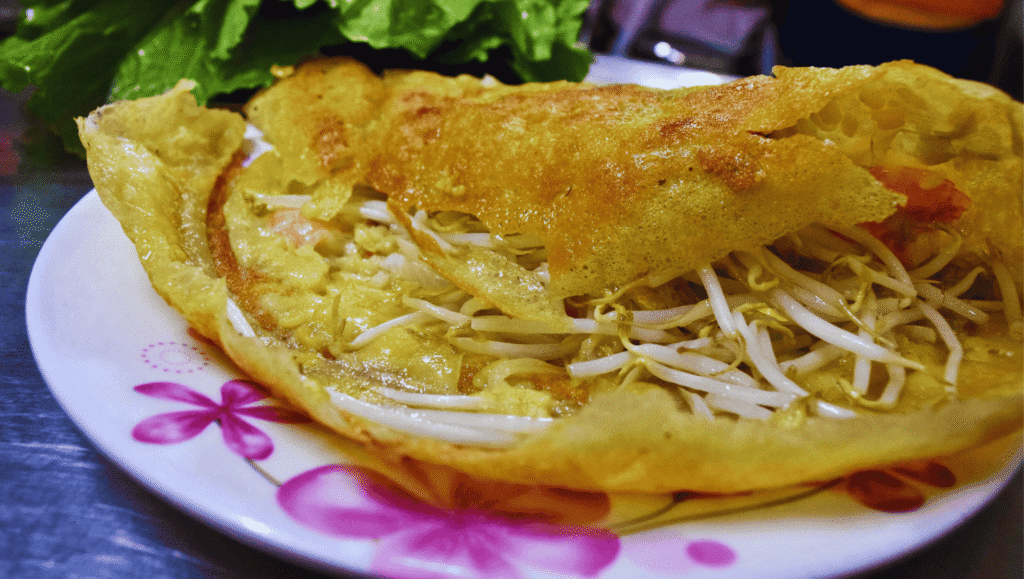
- Bánh Xèo: A huge, crispy pancake made from rice flour and turmeric, filled with pork, shrimp, and bean sprouts. You tear it with your hands, wrap it in lettuce leaves, and dip it in a savory sauce.
The Mekong Delta: An Escape to Vietnam’s “Rice Bowl”
A full-day trip from HCMC takes you to the fertile Mekong Delta, a vast network of rivers, canals, and islands. The tour usually includes a boat ride, a visit to a coconut candy workshop, and, the best part, a ride in a small sampan boat through narrow, palm-fringed canals. It’s a perfect escape from the city buzz to see rural, traditional Vietnamese life.
Planning Your Adventure
- Option 1: Saigon Discovery (3 days)
- Day 1: History Day. Morning at the War Remnants Museum. Afternoon at the Reunification Palace, Notre Dame Cathedral, and Central Post Office.
- Day 2: A half-day trip to the Cu Chi Tunnels. In the evening, explore the nightlife and street food of District 1.
- Day 3: Markets & Culture. Morning at Ben Thanh Market. Afternoon in Cholon. Evening view from the Bitexco Skydeck.
- Option 2: South Vietnam Essentials (5 days)
- Days 1-3: Follow the “Saigon Discovery” plan.
- Day 4: A full-day trip to the Mekong Delta.
- Day 5: A relaxed day for shopping, café-hopping, and trying any street food you missed before departure.
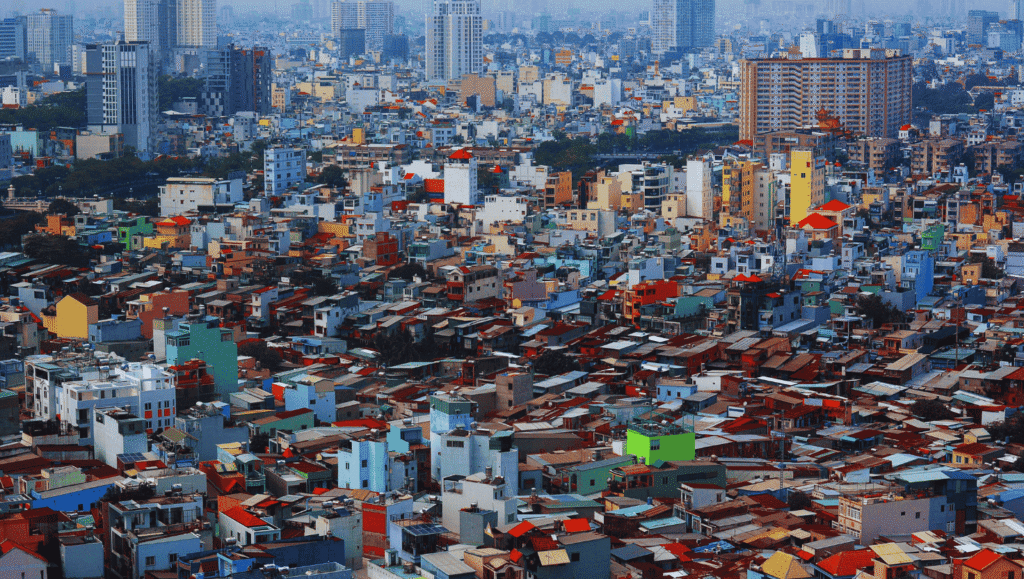
Conclusion: A City That Looks Forward
Ho Chi Minh City is a city that wears its scars with incredible dignity but refuses to be defined by them. It’s a city that vibrates with optimism, ambition, and an unstoppable lust for life. Its energy is palpable, its history is heart-wrenching, and its food is divine.
A visit to Saigon is not just a trip; it’s a lesson in resilience, in the ability to rise from the deepest ashes to become one of the most dynamic cities in Asia. Come prepared for the chaos, and you will leave filled with an energy and flavors you will never forget.