

You’ve finally arrived at that spectacular landmark you’ve only seen in pictures! The energy is incredible! But here’s a critical reality check: wherever there is tourist magic, there are people looking to make a quick, dishonest buck off your excitement. I’ve personally fallen for scams that left me feeling foolish, from the “broken” taxi meter to the “free” gift that wasn’t free at all!
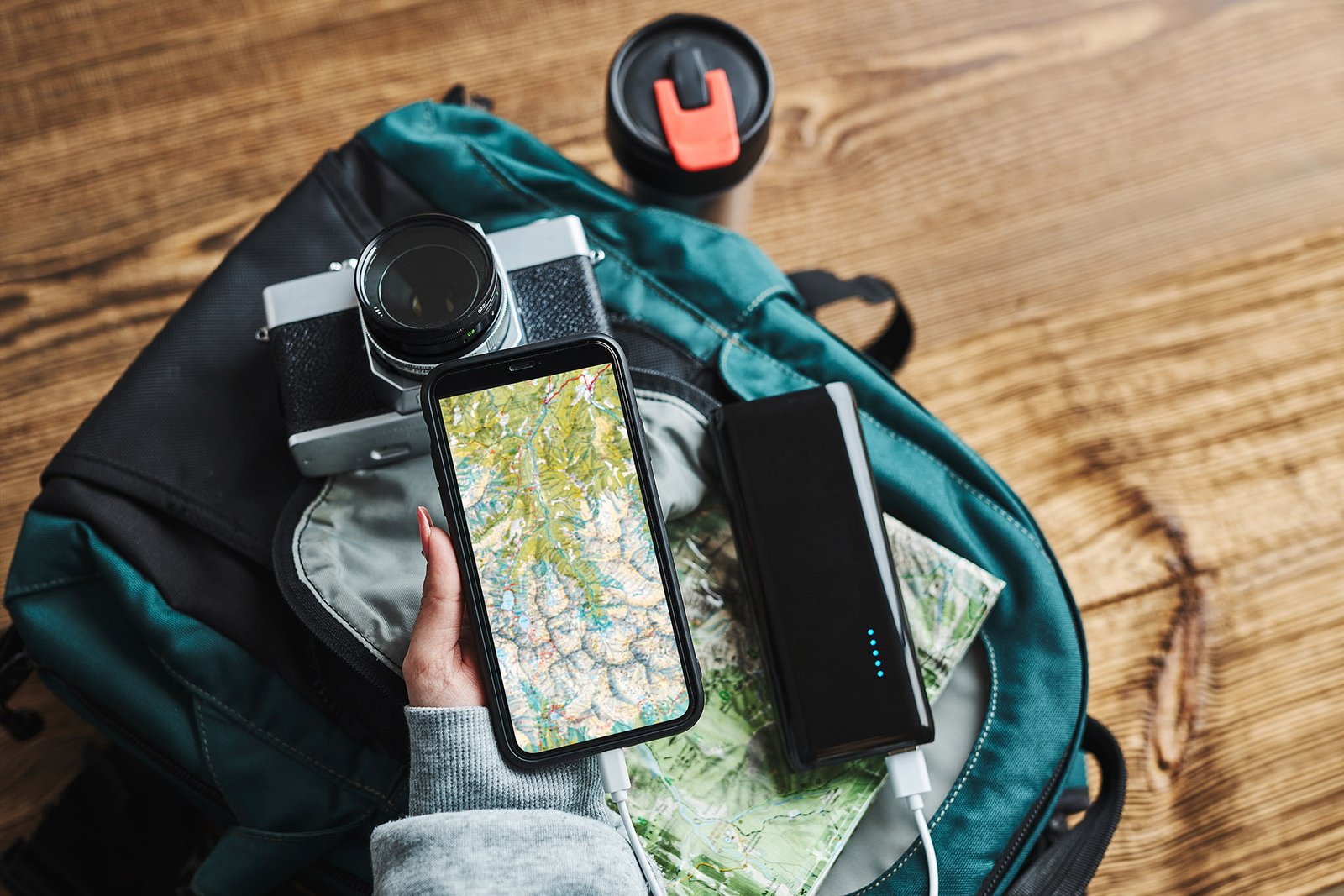
The moment you look lost, carry an oversized map, or flash expensive gear, you immediately become a target. But you don’t have to be a victim! Being street-smart isn’t about being paranoid; it’s about being prepared, aware, and confident. It’s the difference between a frustrating trip and a smooth, joyful exploration.
This is your ultimate, experience-driven guide to spotting common tourist traps, avoiding scams, and blending in like a seasoned local. We’ll show you the exact phrases and actions that will keep your wallet safe and your head held high! Get ready to be a smart traveler, not a soft target! For more crucial travel intelligence, always check LastMinGo.com!

The Golden Rule: Nothing is Free, and Everything is Negotiable
Scammers thrive on one simple psychological trigger: offering something that appears too good to be true. If a deal seems suspiciously easy or someone is too eager to help you, your internal alarm should be screaming!

Technique Spotlight: The “Polite Refusal & Walk Away”
- What it is: A simple, non-confrontational response to unwanted solicitations. Make direct, polite eye contact, say, “No, thank you,” firmly in the local language (if you know it), and immediately keep walking without slowing down.
- The Benefit: Scammers look for hesitation. By not stopping, not engaging, and not giving your attention, you signal that you are not worth the effort, and they will move on to an easier target.
- Recommended for: Navigating busy squares, high-traffic tourist sites, and crowded train stations.
1. The Wallet Warriors: Protecting Your Cash and Identity
Financial scams and pickpocketing are the most common dangers. Reduce your vulnerability instantly.
- The Cash Split Hack: NEVER keep all your cash, main credit card, and passport in one place. Split your cash into three portions: 1) A small amount for immediate purchases (in your front pocket/small purse), 2) Your main stash (secured deep in your bag or money belt), and 3) An emergency $100 and a backup card hidden in your accommodation.
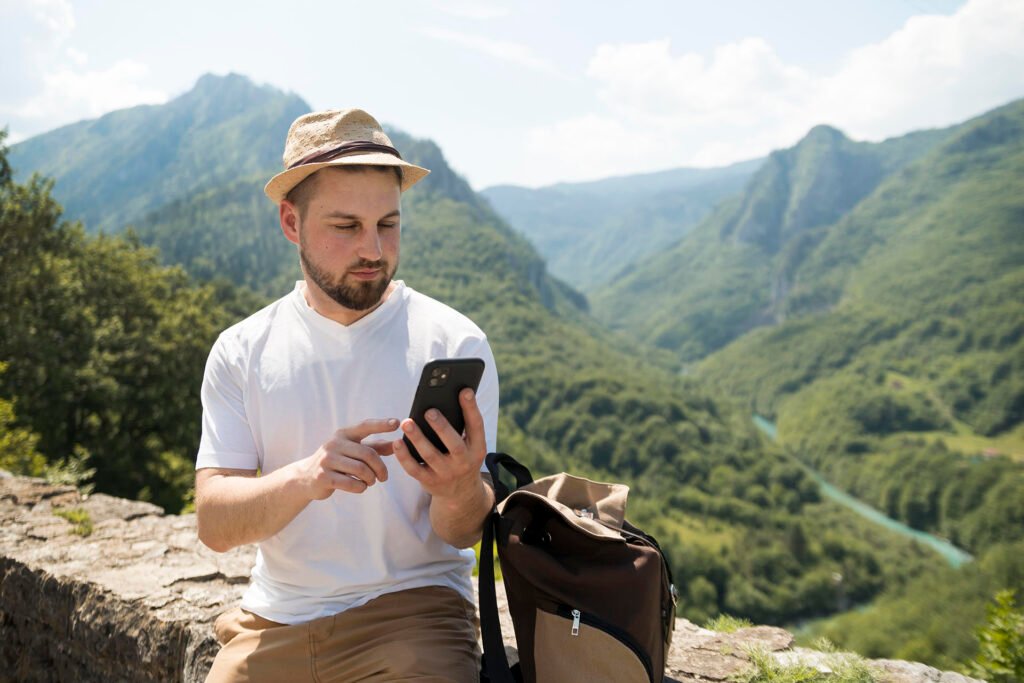
- The Photo Op Scam: Be wary of seemingly friendly strangers offering to take a photo of you with your camera/phone. The Risk: They may run off with your device, or use the distraction to pick your back pocket. Solution: Use a tripod or selfie stick, or only ask established groups (like a family) for help.
- The Fake Petition/Distraction Scam: In crowded areas, someone might bump you, drop a paper on you, or ask you to sign a petition. The Reality: This is a distraction technique for a pickpocket to lift your wallet from your bag or pocket. Solution: Immediately grab your bag/pockets and move away from the group.
2. The Transport Traps: Getting from A to B Safely
Taxis, buses, and trains are crucial, but they are common scam spots.
- The Airport Taxi Trap: In many cities, the official Pre-Paid Taxi Stand inside the airport is your safest option. The Warning: Ignore the eager individuals approaching you outside the arrival gates claiming to be a taxi. They almost always charge exorbitant, non-metered rates.
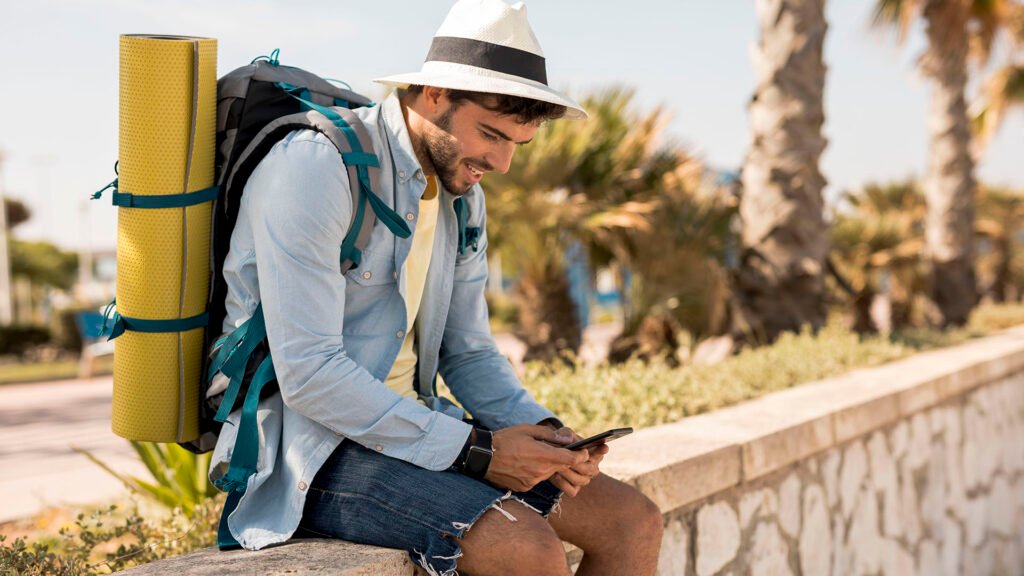
- The “Broken Meter” Lie: If the meter “suddenly” stops working, immediately state firmly, “I will only pay the legally agreed rate before the meter broke, or I will call the hotel/police.” Solution: Before entering, ask, “Is the meter working?” and have a local map or GPS to ensure they aren’t taking the longest route.
- The Change Confusion: When paying for small items or taxi fares, pay with the smallest possible bill. The Scam: The vendor or driver will often claim you paid with a smaller bill than you did, relying on your confusion. Solution: Say the value of the bill out loud as you hand it to them (“Here is 20!”).

3. The Cultural/Sightseeing Scams
These scams exploit your desire for a beautiful experience.
- The “Closed Site” Ruse: A well-dressed stranger near a major attraction (museum, church) might tell you, “The entrance is closed,” but offer to take you to a “better, secret” place (usually a heavily marked-up store). The Reality: The site is open, and they are earning a commission. Solution: Only trust information from the official, uniformed staff inside the ticket booth!
- Restaurant Menu Pricing: When sitting down, always check if the prices are listed, and ensure you are given the local menu, not an inflated “tourist menu.” The Warning: If prices are not listed, ask before ordering!
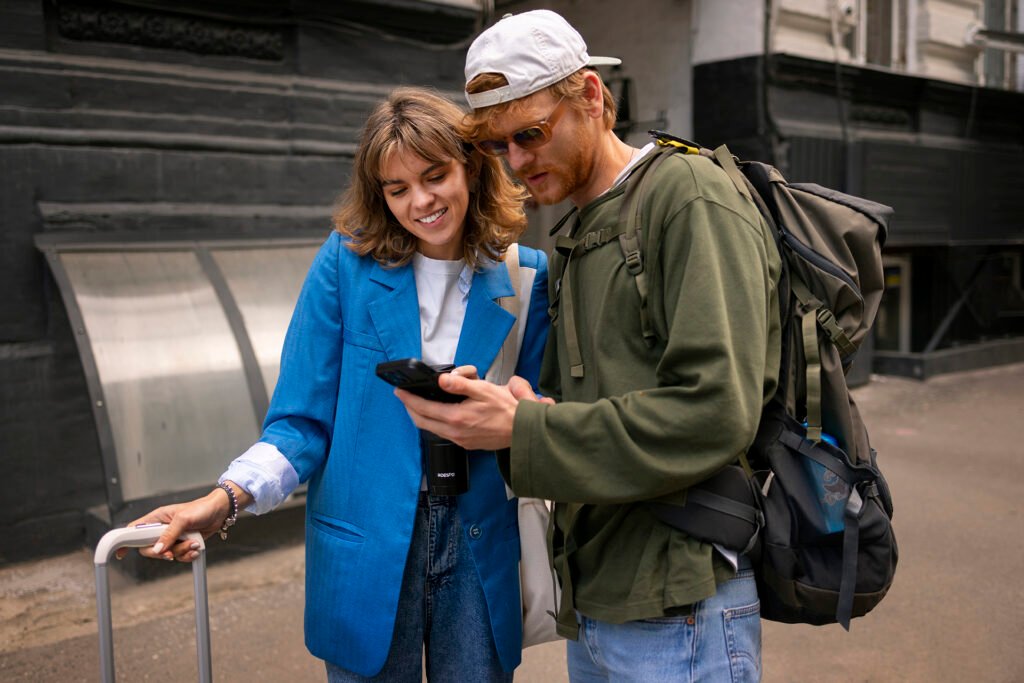
By being alert, firm with your refusals, and strategic with your money, you transform into a powerful, smart traveler! Enjoy your adventure, and trust your gut!
For more crucial travel safety tips, budget strategies, and destination guides, your safety net is LastMinGo.com!
Don’t forget to include the link if you share this post!