Let’s talk about the travel topic nobody wants to discuss, but everyone needs to master: Emergencies Abroad.
I know the feeling of total vulnerability – being far from home, facing a sudden medical issue, losing my passport, or getting caught in an unexpected natural event. In those high-stress moments, panic can easily set in. But I’ve learned that having a clear, concise plan of action is the difference between a minor incident and a full-blown crisis.
Your most important travel tool isn’t your phone or your passport; it’s knowledge. Knowing exactly who to call and what resources are available to protect you is the key to staying calm, safe, and quickly resolving any sticky situation.
This is your essential, step-by-step guide to setting up your ultimate safety net abroad. Get ready to travel with confidence, knowing you have the ultimate emergency response strategy at your fingertips!
The Golden Rule: Digitize and Physicalize Your Documents
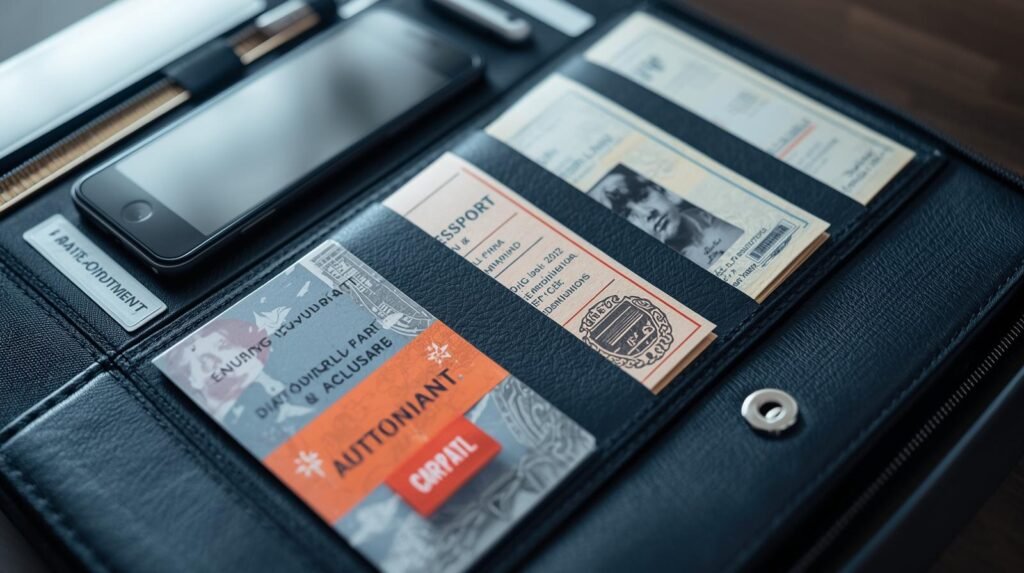
When disaster strikes, you cannot rely solely on your phone or your wallet. You need redundant access to your most critical information.
Technique Spotlight: The “Safety Trifecta”
What it is: Ensuring your emergency data is accessible in three different formats.
The Trifecta:
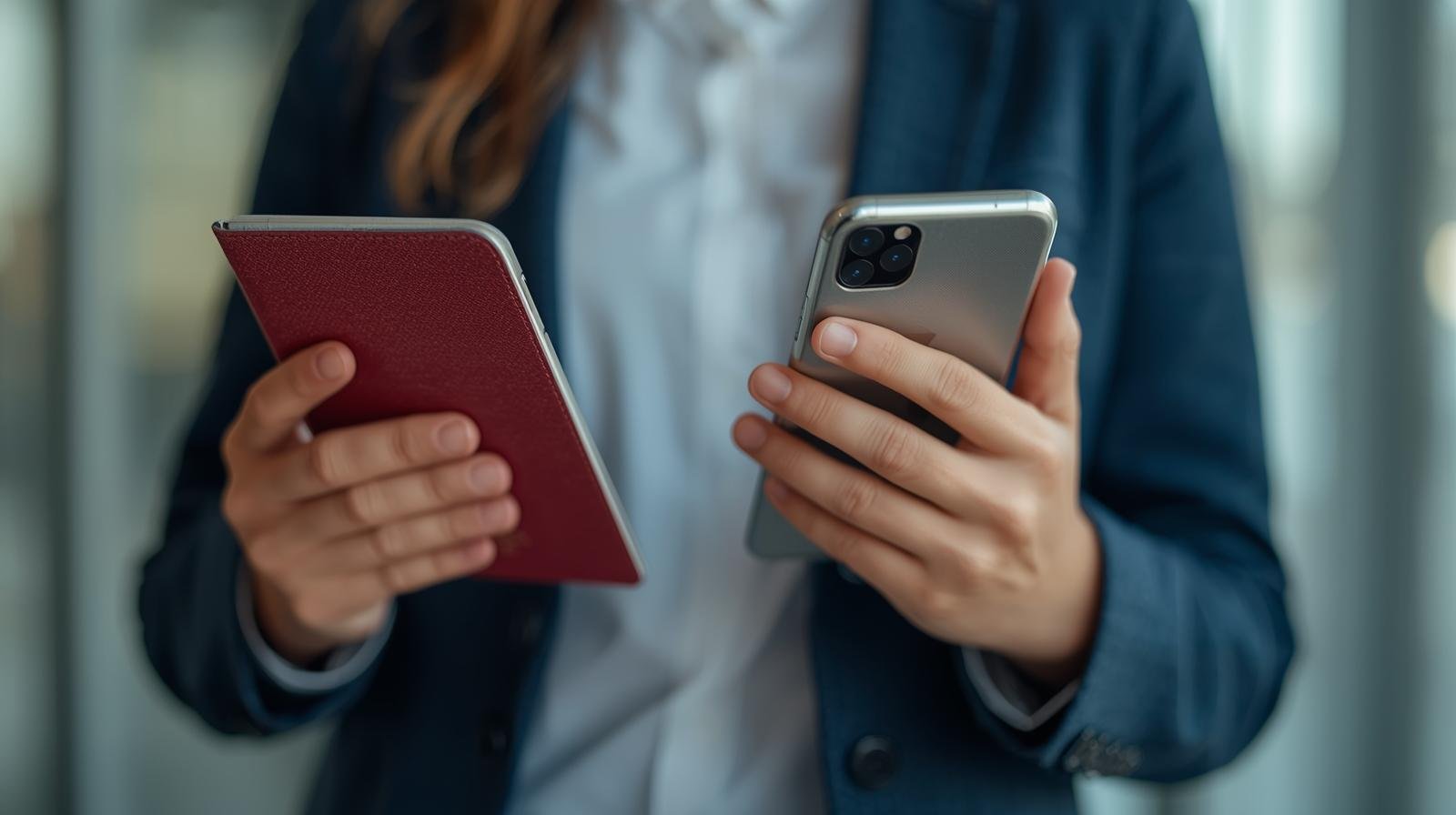
Digital: Take photos of your passport, visa, travel insurance card, and credit cards (front and back, noting the international contact number). Store these images securely in a cloud service (like Google Drive) or an encrypted folder.
Physical (Separate): Keep one photocopy of your passport and visa separate from your wallet and passport. (e.g., wallet in one place, passport in a bag, photocopy in a suitcase).
Written: Write down the local emergency number (Police, Ambulance, Fire), your country’s Embassy/Consulate number, and your Travel Insurance 24-hour hotline on a small piece of paper. Keep this in a pocket or bag – it works even if your battery is dead!
Recommended for: Everyone. This is the ultimate preventative measure.
1. The Immediate Crisis: Local Emergency Services
Knowing the local 911 equivalent is paramount. It’s often not 911 outside of North America!
The Global Standard: Many European countries use 112 for all services (Police, Ambulance, Fire). This number is widely recognized and often works on any mobile network, even without a local SIM card.
Research and Memorize: Before you even leave the airport, confirm the local emergency numbers. Write them down next to your hotel’s address.
Pro Example: In Japan, 110 is for Police and 119 is for Fire/Ambulance. Knowing this difference is vital!
The Language Barrier Solution: When calling emergency services, try to use your Google Translate app’s two-way conversation feature or simply say “Police,” “Ambulance,” or “Fire” clearly. State your exact location immediately.
2. The Financial and Medical Lifeline: Travel Insurance
Your travel insurance policy is often your most powerful ally in a crisis.
The 24-Hour Hotline:NEVER wait to call your insurance company if a medical emergency or major incident occurs. Call their 24-hour assistance hotline BEFORE seeking major treatment (unless it is a literal life-or-death situation).
Benefit: They will direct you to approved, reliable clinics or hospitals, guarantee payment, and can provide translation services. This saves you from unexpected bills and language confusion.
Document Everything: For any medical claim, loss, or theft, you must obtain a formal document:
Medical: A physician’s report and all receipts.
Theft: A formal Police Report filed at the local station. Without a police report, your insurance claim will almost certainly be denied.
3. The Diplomatic Shield: Your Embassy or Consulate
When all else fails, your home country’s diplomatic mission is there to assist citizens.
What They CAN Do:
Assist with replacing a lost or stolen passport.
Contact family or friends on your behalf.
Provide a list of local doctors, lawyers, and resources.
In extreme financial emergencies, offer advice or limited emergency loans (usually only for return travel tickets).
What They CANNOT Do:
Pay your hotel bill, rent you money, or pay your medical bills.
Get you out of jail or interfere with local laws.
The Contact Card: Before leaving, look up the full address, phone number, and emergency out-of-hours number for your country’s mission in your destination city. Save it as a contact in your phone, labelling it “EMERGENCY [COUNTRY] EMBASSY.”
4. Tech Tools for Safety
Share Your Location: Use the “Share Location” feature on Google Maps or a similar app with a trusted friend or family member back home. Benefit: This provides peace of mind and allows someone to know your last exact location if you cannot be reached.
Local SIM Card: Purchase a local SIM card immediately upon arrival. Benefit: Gives you reliable local data for navigation, local calls for emergencies, and prevents expensive international roaming charges when you need to contact your insurance hotline.
Travel should be exciting, but always be prepared for the unexpected. With this strategy, you ensure that you are the safest, most protected, and best-prepared traveller out there!
For more indispensable advice on travel planning, safety, and making the most of your adventures, make lastmingo.ch/ your ultimate resource!
Don’t forget to include the link if you share this post!