

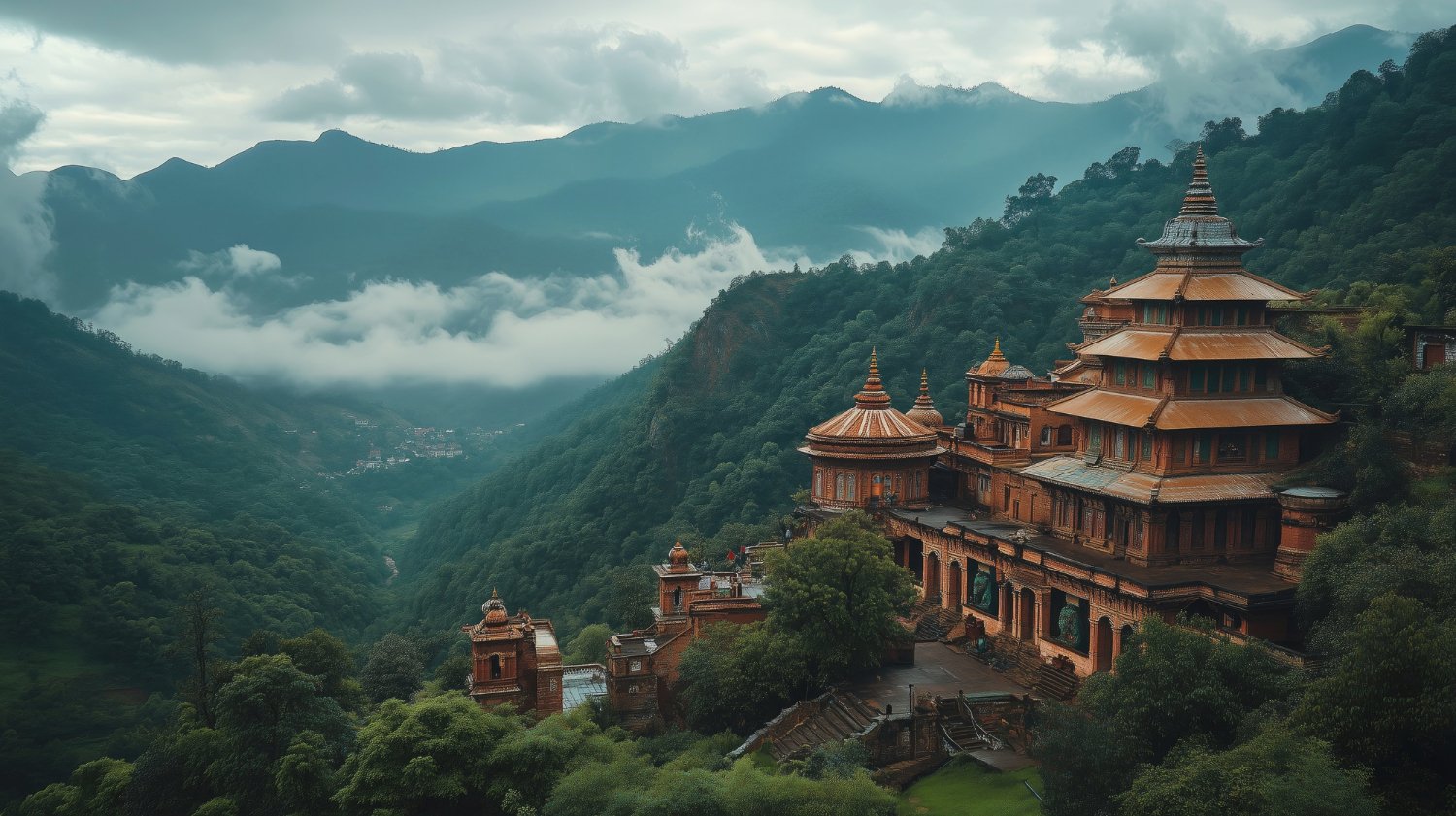
Some cities impress you with their architecture. Some seduce you with their energy.
And then, there is Kathmandu. A city that changes you.
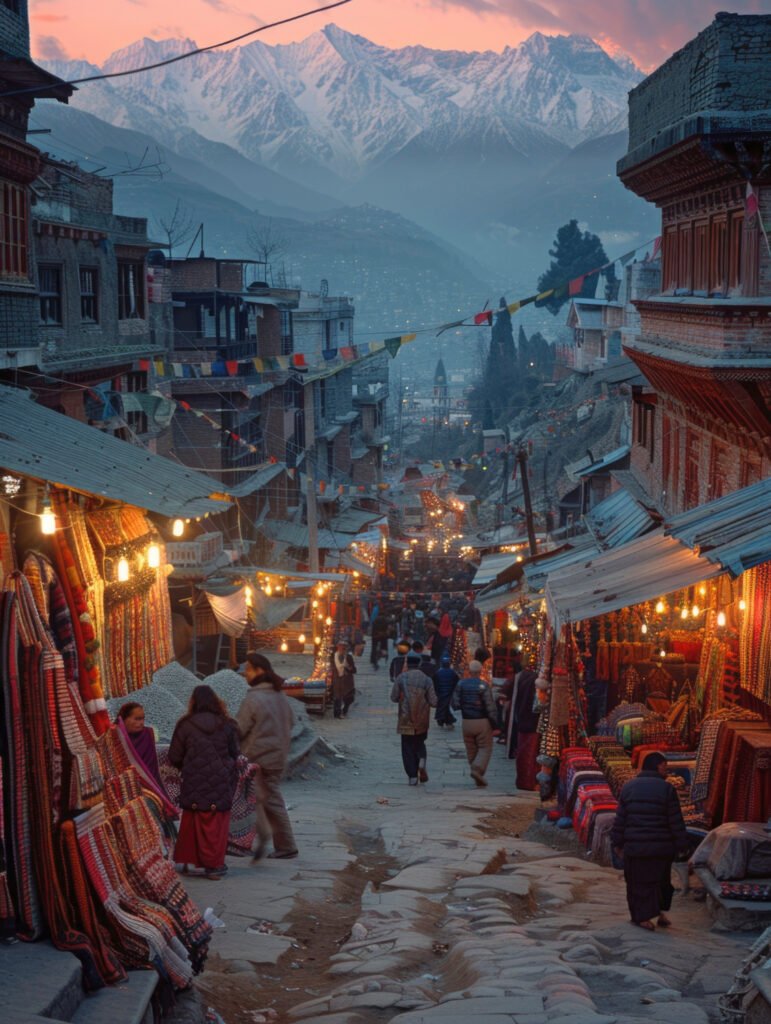
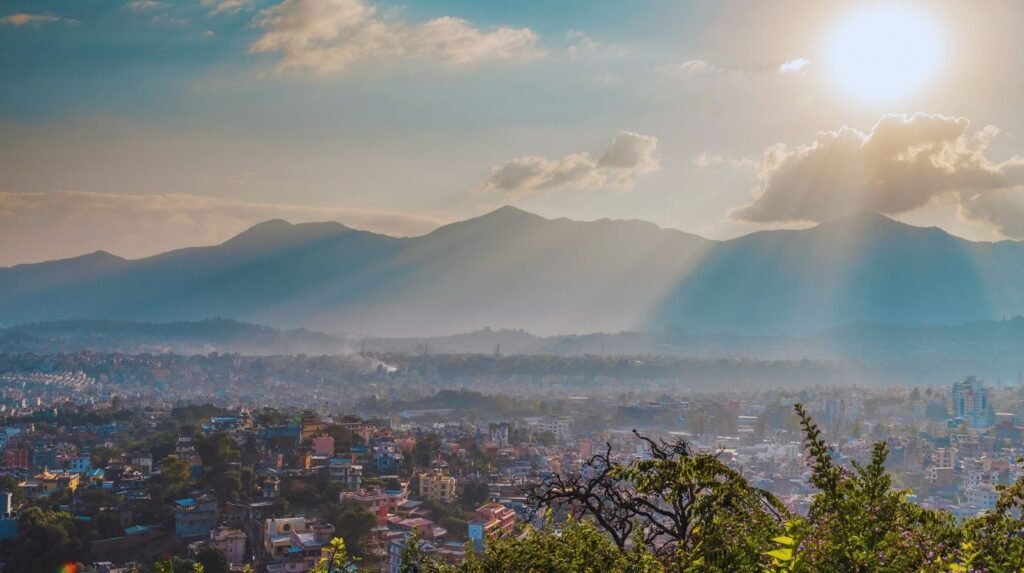
The moment you step out of the airport, the air is different. It’s thick with the scent of incense and butter lamps, the sound of a thousand temple bells, and the whisper of centuries-old prayers. In the distance, like eternal guardians, the first hints of the mighty Himalayas rise to meet the sky.
Welcome to Kathmandu, the capital of Nepal. Welcome to a city where the gods are real, where history is alive on every corner, and where spirituality is felt, not just observed.
This is not a destination. This is a pilgrimage. Even if you are not a “spiritual person,” you cannot remain immune to the deep, tangible energy that saturates this valley.
This guide is your invitation to dive into that magic. We will lead you through the labyrinthine alleys of ancient temples, to the base of colossal stupas, and through the chaotic, beautiful streets that lead to the peace of the highest mountains on Earth.
Whether you are a seeker of enlightenment, a lover of ancient history, or an adventurer dreaming of the Himalayas, Kathmandu is your starting point, your basecamp, and your heart’s adventure.
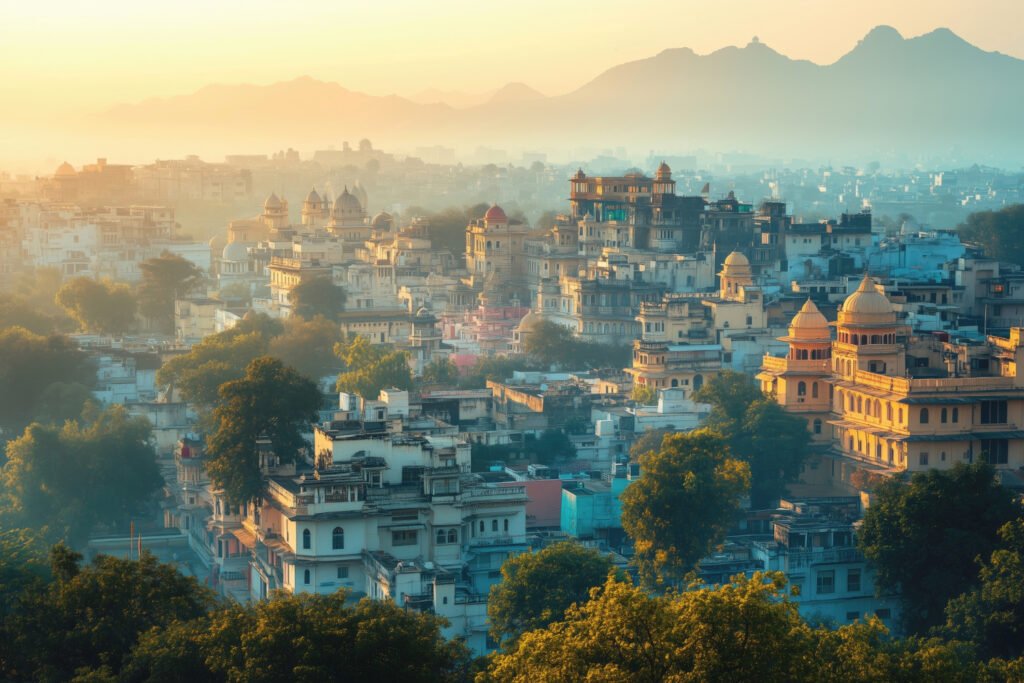
Why Kathmandu? It’s a Gateway to Another World
In a world of fascinating places, the Kathmandu Valley is unique.
- A Mind-Blowing Concentration of World Heritage: The valley boasts a staggering seven UNESCO World Heritage Sites in a relatively small area. It’s one of the densest concentrations of cultural wonders on the planet.
- A Living Fusion of Hinduism & Buddhism: Nowhere on Earth do these two great religions coexist so harmoniously. You will see Hindu temples next to Buddhist stupas, and deities from both faiths are often worshipped in the same sacred spaces.
- The Gateway to the Roof of the World: Kathmandu is the undisputed, legendary starting point for all Himalayan adventures. This is where trekkers bound for Everest Base Camp, the Annapurna Circuit, and countless other trails are born.
- Ancient Newar Art & Architecture: The indigenous people of the valley, the Newari, created a unique and breathtaking style of art, with intricate, god-tier wood and metal carvings that adorn every temple and palace.
- A Palpable Spirituality: This isn’t a place where spirituality is just for show. It’s lived. You feel it in the rituals of the pilgrims, the spinning of prayer wheels, the chants of monks, and the intense gaze of the sadhus (holy men).
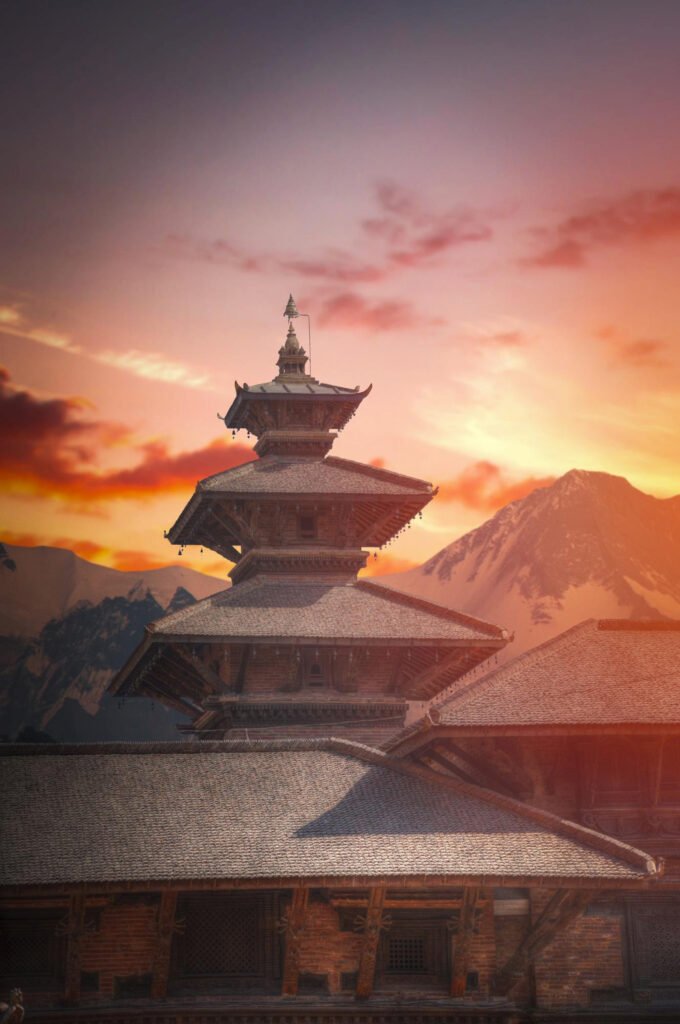
The Valley of Kings & Gods: A Quick History
According to legend, the Kathmandu Valley was once a giant, pristine lake. A Bodhisattva named Manjushri, so the story goes, saw a lotus flower of pure light in its center. He raised his mighty sword, cut a gorge at Chobhar, and drained the lake, allowing civilization to flourish.
Historically, the valley was settled by the Newari people, a civilization of unparalleled artistic talent. The “golden age” came during the Malla dynasty (12th-18th centuries). The valley was split into three rival kingdoms: Kathmandu, Patan, and Bhaktapur. Their kings, in a divine game of one-upmanship, competed to build the most beautiful palaces and temples, leaving us the three magnificent Durbar Squares we see today.
In the 18th century, Prithvi Narayan Shah of the Gorkha kingdom conquered and united Nepal, making Kathmandu his capital. For centuries, the city remained isolated, preserving its unique culture. It only opened to foreigners in the 1950s, becoming a “moth-to-a-flame” destination for hippies in the 60s and 70s, and later, for mountaineers from around the world.
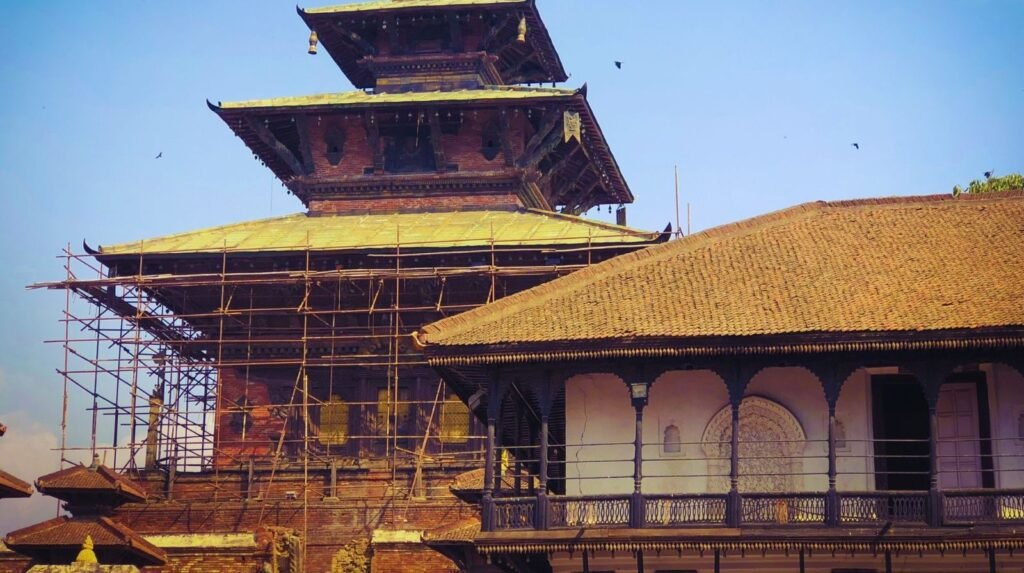
The city was hit by a devastating earthquake in 2015. Many monuments were damaged, but the spirit of resilience and the ongoing process of restoration have also become part of Kathmandu’s powerful modern story.
A Practical Guide: Navigating the Holy City
How to Get There
- By Plane: Tribhuvan International Airport (KTM) is the only international airport. It’s connected via major hubs in the Middle East (Doha, Dubai, Istanbul) and Asia (Delhi, Bangkok). I’ve found my best spontaneous adventure fares by booking a flight to one of these hubs on LastMinGo.com and then adding the final, exciting leg to KTM.
- Visa: For most nationalities (including Serbia), the visa on arrival is the easiest option. You can fill out the forms at the airport.
Getting Around
- Taxis: The most common way to get around. ALWAYS agree on the price before you get in. Meters are rarely used.
- Walking: The old cities (Kathmandu, Patan, Bhaktapur) are mazes best explored on foot.
- Rickshaws: Cycle-rickshaws are a fun, tourist-friendly way to get around Thamel.
- Local Buses: Chaotic, crowded, and incredibly cheap. For the true adventurer only.
Part 1: The Spiritual Heart (Stupas & Temples)
The valley is a treasure chest of sacred sites.
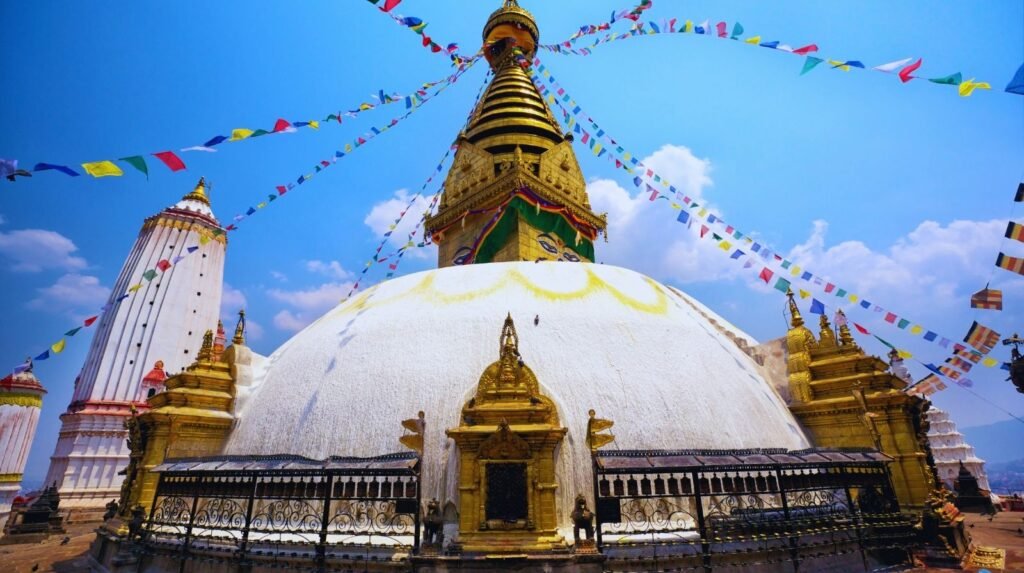
1. Swayambhunath Stupa (The Monkey Temple)
- The Vibe (The Euphoria): One of the most iconic sights in Nepal. An ancient Buddhist stupa (shrine) perched on a high hill west of the city.
- The Feeling: You climb a steep, 365-step staircase, accompanied by hundreds of playful (and cheeky) monkeys, who are considered holy. At the top, you’re greeted by the magnificent white dome and the all-seeing eyes of the Buddha painted on its golden spire. The atmosphere is magic-a swirl of prayer flags, the sound of spinning prayer wheels, and the smell of incense. The panoramic view of the entire valley is breathtaking.
- Who Is This For? Everyone. This is the perfect introduction to the valley’s spiritual energy.
2. Boudhanath Stupa (Boudha)
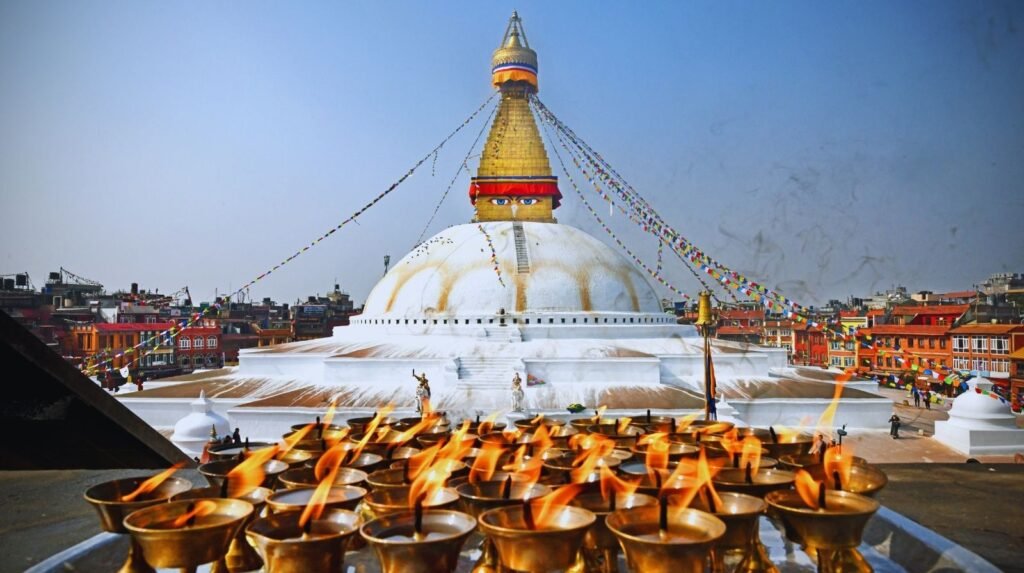
- The Vibe (The Euphoria): One of the largest stupas in the world and the absolute center of Tibetan Buddhism in Nepal.
- The Feeling: Boudha is a world unto itself. The massive, brilliant-white dome and golden tower are encircled by a huge plaza. You’ll be swept up in the kora-the clockwise procession of hundreds of pilgrims (Tibetan monks, exiled locals, and Western Buddhists) spinning prayer wheels and chanting mantras. The entire area is ringed by monasteries, thangka-painting schools, and rooftop restaurants.
- Who Is This For? Seekers of peace, meditators, and anyone who wants to feel the profound, living pulse of Tibetan Buddhism.
- My Personal Tip: Go at sunset. The light is golden, the chanting begins, and the atmosphere becomes electric. Have dinner at a rooftop restaurant (like Himalayan Java) for an unforgettable view.
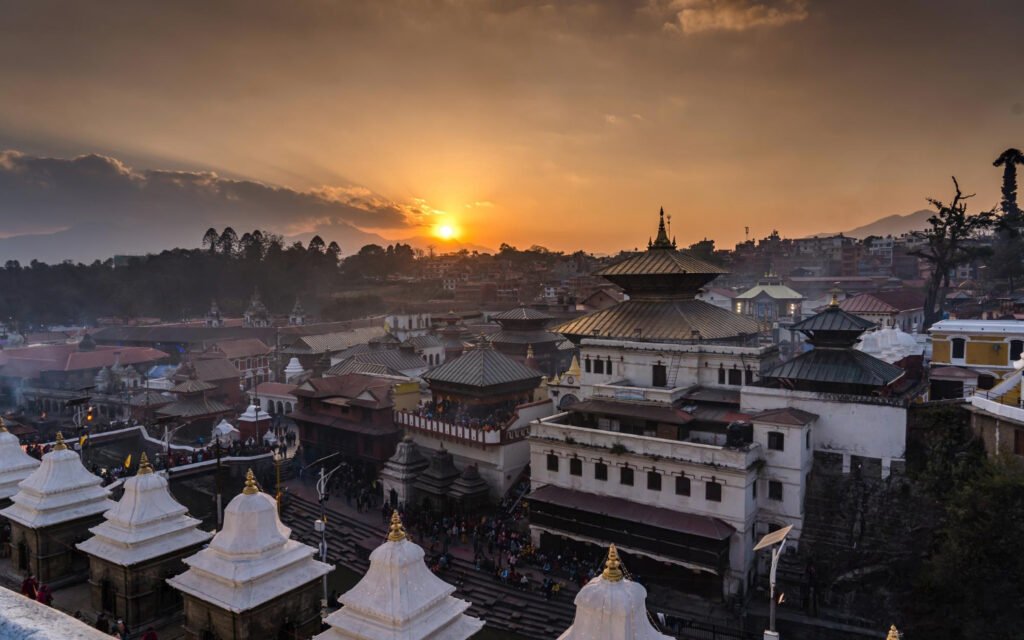
3. Pashupatinath Temple (The Holy Hindu Site)
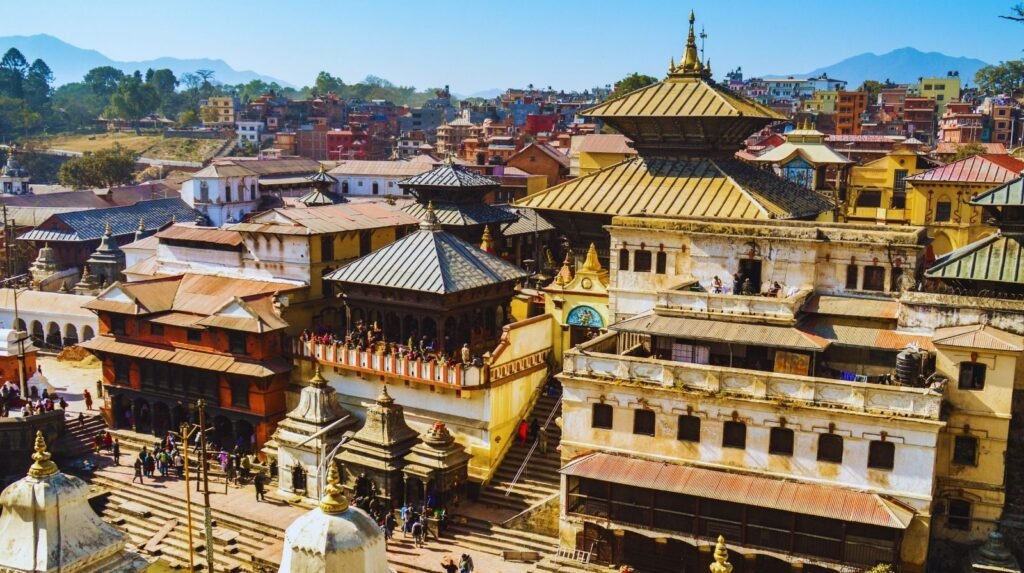
- The Vibe (The Euphoria): The holiest Hindu temple in Nepal, dedicated to Lord Shiva, on the banks of the sacred Bagmati River.
- The Feeling: This is a place of intense spirituality, and a direct confrontation with life and death. Entry to the main temple is for Hindus only. However, visitors can (and must) explore the vast complex. From the opposite riverbank, you can respectfully observe the public cremation ceremonies on the stone ghats. You will also see sadhus-ascetic holy men, their faces painted with ash.
- An Important Note: This requires the utmost respect. Observe the rituals from a distance. Be silent. Do not take photos of grieving families.
- Who Is This For? Mature travelers who want to understand the Hindu rites of passage.
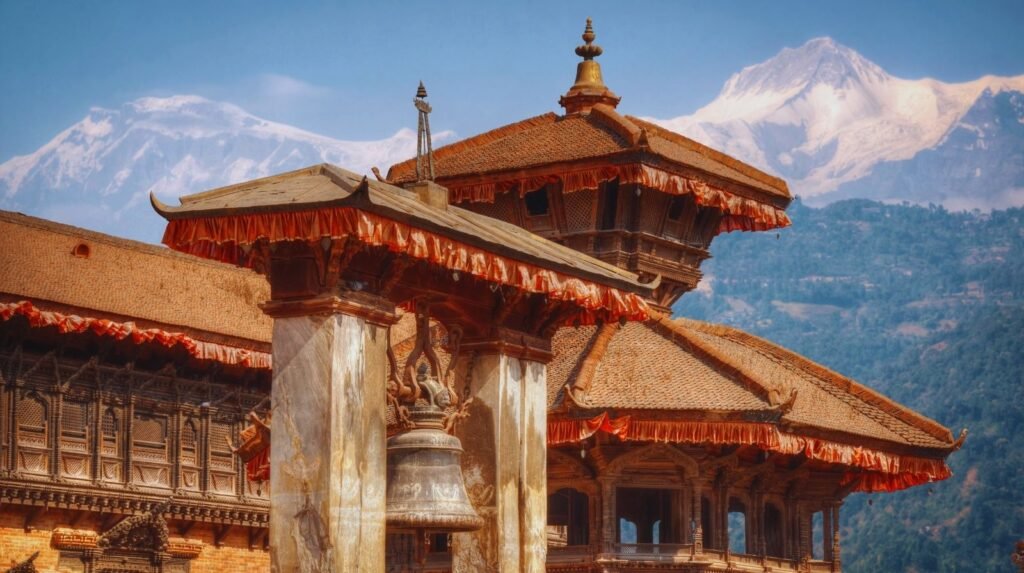
4. Kathmandu Durbar Square
- The Vibe (The Euphoria): The historic, chaotic heart of old Kathmandu, a dense complex of temples, palaces, and courtyards.
- What to See: Though heavily damaged in 2015, restoration is ongoing. The main attraction is the Kumari Ghar (House of the Living Goddess). This is the home of the Kumari, a young girl chosen to be the living embodiment of the goddess Taleju. If you are lucky, she may appear at her window for a moment.
- Who Is This For? History lovers who want to feel the pulse of the old city.
Part 2: The Ancient Kingdoms (Patan & Bhaktapur)
Your trip is not complete without visiting these two rival kingdoms.
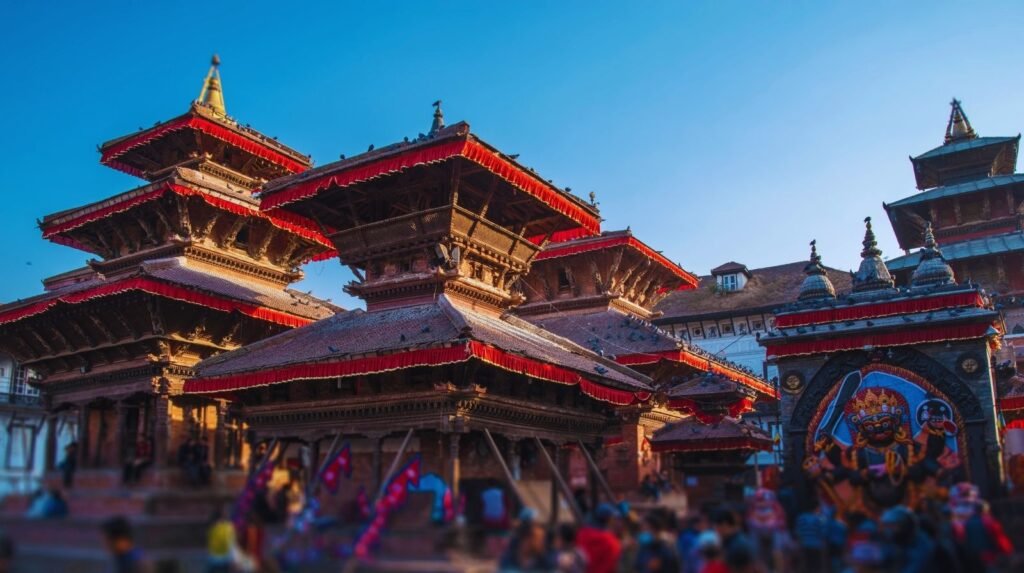
1. Patan (Lalitpur – “The City of Beauty”)
- The Vibe (The Euphoria): This city is all about art. Its Durbar Square is considered by many to be the most beautiful and concentrated in the valley. It’s an open-air museum of Newari craftsmanship.
- The Must-Do: The Patan Museum. Housed in a wing of the former royal palace, it is, hands-down, one of the best museums in Asia. The collection of Hindu and Buddhist art is stunningly curated.
- Where to Eat: Cafe Swotha. A beautiful, chic boutique hotel/restaurant right on the square, perfect for a coffee or lunch.
2. Bhaktapur (Bhadgaon – “The City of Devotees”)
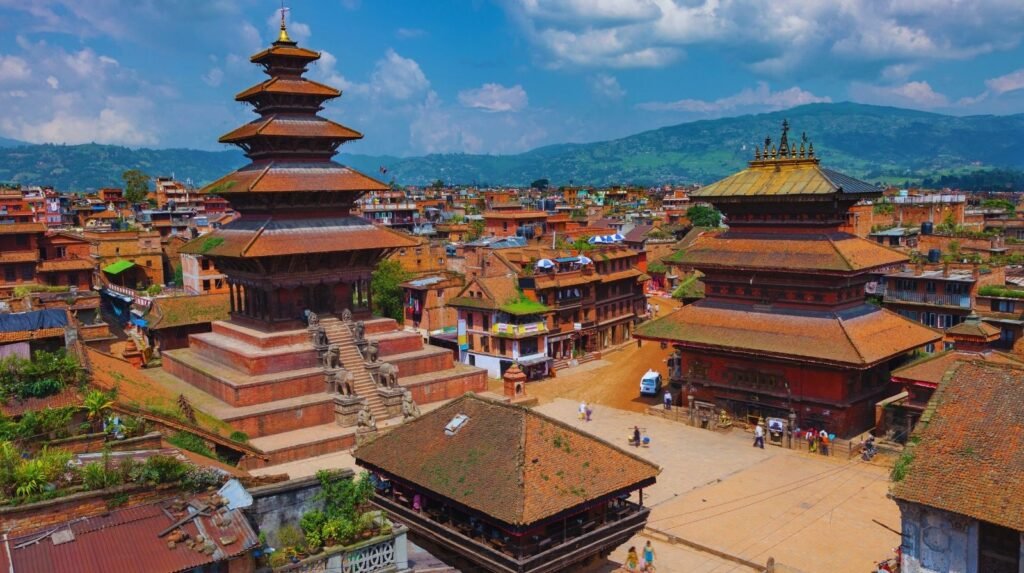
- The Vibe (The Euphoria): This is the one. Largely car-free, Bhaktapur is a time capsule. It’s the best-preserved of the three cities. To walk its cobblestone streets is to be transported to the 17th century.
- What to See:
- Nyatapola Temple: A soaring, five-story pagoda—the tallest in Nepal.
- Potters’ Square: An open square where artisans still make pottery by hand and leave thousands of pots to dry in the sun.
- Peacock Window: The most famous, intricately carved wooden window in all of Nepal.
- My Personal Tip: STAY THE NIGHT. This is the ultimate hack. After 5 PM, the day-trippers leave, and the city becomes yours. It’s silent, magical, and beyond belief. Stay at a traditional guesthouse like Peacock Guesthouse.
Part 3: Thamel (The Basecamp for Adventure)
Every trip to Nepal begins and ends in Thamel, the tourist-trekker “ghetto” of Kathmandu. It’s a chaotic, noisy, wonderful labyrinth of hotels, restaurants, bars, and, most importantly, trekking gear shops. This is where you’ll meet other adventurers, book your trip to Everest, and buy that (probably fake) North Face jacket.
- Where to Eat/Drink:
- Fire and Ice Pizzeria: A legendary institution. After weeks of dal bhat, this is where every trekker goes for a real, delicious pizza.
- OR2K: A fantastic, floor-seating, Middle-Eastern/vegetarian restaurant with a great vibe.
- Electric Pagoda: A classic, 1970s-era garden bar.
- Must-Try Food:
- Dal Bhat: The national dish of rice, lentil soup, and vegetable curry. It’s “all you can eat” and it is the fuel of the nation.
- Momo: The king of Nepali food. These are Tibetan-style dumplings, either steamed or fried, served with a spicy dipping sauce. You will become addicted.
Part 4: The Call of the Mountains
- Himalayan Flight: For those without the time (or lung capacity) for a 3-week trek. This is a 1-hour “mountain flight” that takes you right up to Mount Everest. You’ll fly parallel to the highest peaks on Earth. It’s an absolutely euphoric, bucket-list experience.
- Short Treks: From nearby Nagarkot or Dhulikhel, you can do short, 1-2 day hikes that give you spectacular (if distant) sunrise views of the entire Himalayan range.
Your 5-Day “Kathmandu Valley” Itinerary
- Day 1: Arrival. Check into Thamel. Get lost. Book your “mountain flight.” Eat momos.
- Day 2: The Stupas. Morning: Swayambhunath (Monkey Temple). Afternoon: A long, meditative visit to Boudhanath.
- Day 3: Life & Death. Morning: A respectful visit to Pashupatinath. Afternoon: Explore the art and history of Patan Durbar Square.
- Day 4: The Time Capsule. A full-day trip to Bhaktapur.
- Day 5: The Roof of the World. Early morning Everest Mountain Flight. Last-minute souvenir shopping in Thamel. Depart.
A Final Word: The City That Stays With You
Kathmandu is not an “easy” city. It’s dusty, it’s noisy, it’s chaotic. But it is profound.
It’s a city that confronts you with the raw realities of life and the beautiful persistence of faith. It’s a place that reminds you how small you are next to the mountains, and how vast the human spirit is.
You will leave Kathmandu tired and dusty, but you will leave full. Changed. And with a deep, abiding respect for the place where heaven and earth touch. You will promise to return. Because once you breathe the air of Kathmandu, it never truly leaves you.