

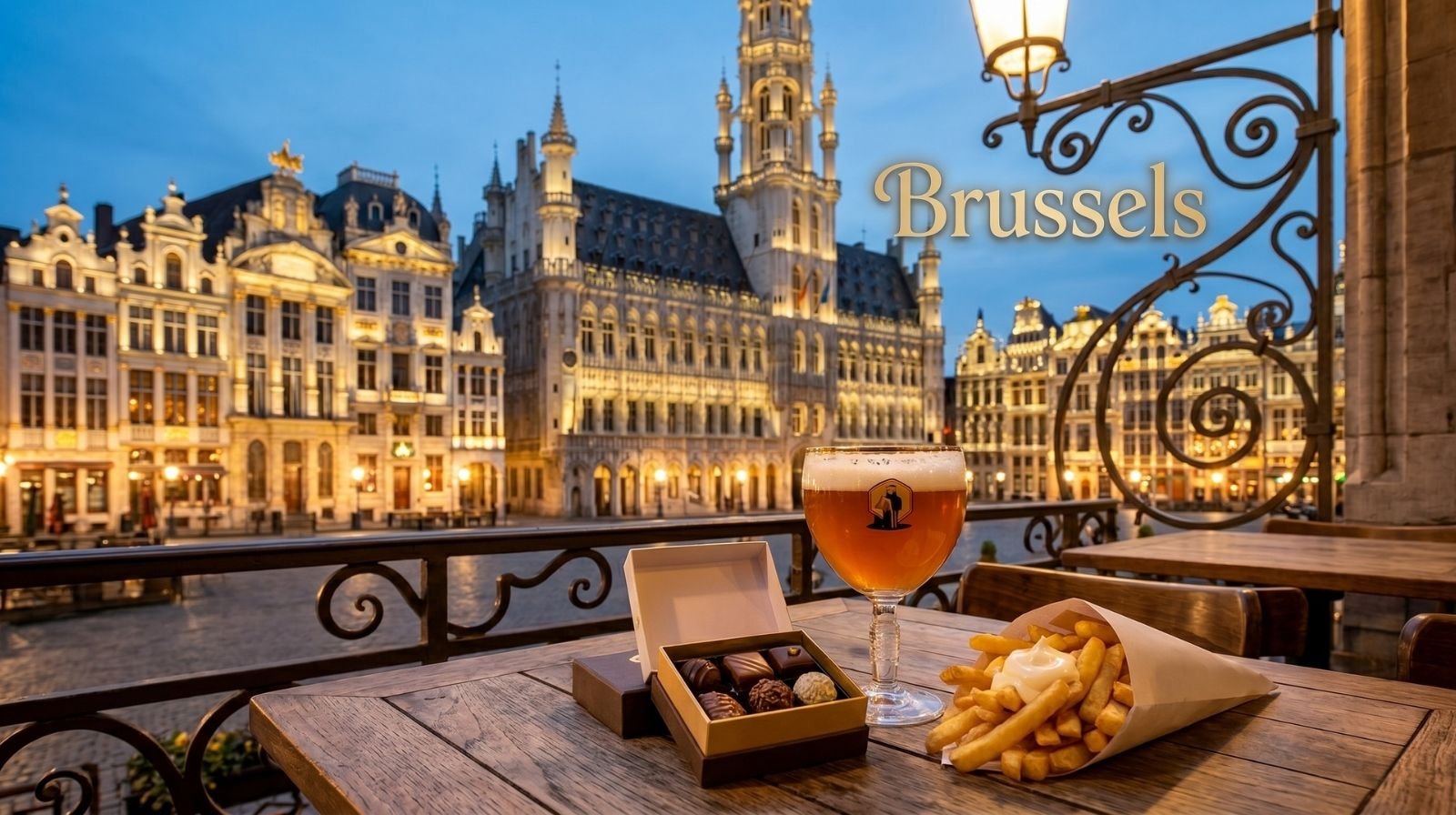
In the heart of Europe, there is a city that many see as the serious, bureaucratic face of politics, but which is actually one of the world’s most underrated hedonistic capitals. A city where the most important deals are sealed over beers brewed by monks from centuries-old recipes. A city where chocolate is elevated to a high art form, and french fries hold the status of a national treasure. A city where, behind stern facades, hide the most lavish and imaginative details of Art Nouveau architecture.
Welcome to Brussels.
The capital of Belgium and the European Union is not a city that screams about its beauty. It is sophisticated, discreet, and waiting to be discovered. And for spontaneous travelers with only 48 hours to spare, Brussels unfolds like a box of the finest pralines-each bite, each sip, and each glance reveals a new, unexpected layer of flavor and beauty.
This isn’t a guide to touring European institutions. This is your invitation to dive into the soul of Brussels—a soul that smells of melted chocolate, tastes of complex Trappist beer, and looks like the elegant iron curls on a Victor Horta facade. Get ready for a weekend of pure, unfiltered indulgence.
The Brussels Etiquette: A Guide to Navigation and Enjoyment
Before you surrender to temptation, a few practical tips will help you navigate with ease.
1. Flights and Arrival Brussels is served by two airports.
- Brussels Airport (BRU): The main airport, excellently connected to the city center by train (the fastest option).
- Charleroi Airport (CRL): A base for low-cost airlines, located about an hour’s drive from Brussels. Direct shuttle buses (Flibco) run to the main train station in Brussels. When searching for flights, check both options.
2. Getting Around the City The historic center of Brussels, around the Grand-Place, is compact and best explored on foot. For more distant destinations like the Atomium or the Horta Museum, public transport (metro, trams, buses) is efficient. Buy a day or weekend pass for unlimited rides.
3. Language and People Brussels is officially bilingual (French and Flemish/Dutch). All signs are in both languages. However, English is spoken almost everywhere, making communication very easy.
4. Budget and Currency (Euro) Brussels isn’t cheap, but it is more affordable than Paris or Amsterdam. The biggest hits to your budget will be accommodation and restaurants. Luckily, some of the best experiences (beer, chocolate, waffles, fries) can be surprisingly affordable.
Chapter I: Chocolate – More Than a Sweet, An Art Form in a Bite
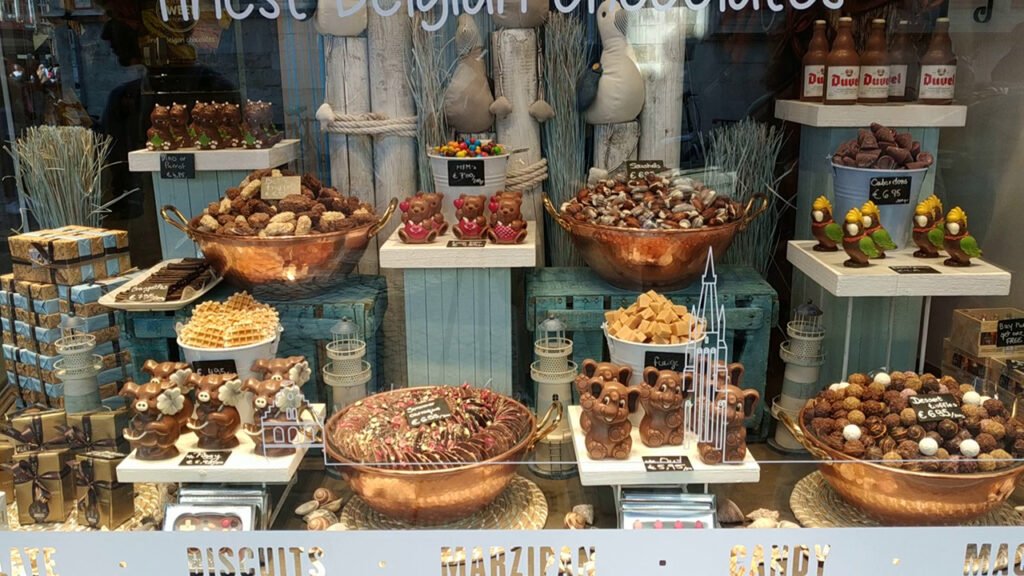
Forget everything you know about chocolate. In Belgium, it’s a national pride and an art form. The secret lies in high-quality ingredients, a high percentage of cocoa, pure cocoa butter, and, most importantly, the invention of the praline-a chocolate shell with a soft filling, created in 1912 by Jean Neuhaus Jr.
A Guide to the Temples of Chocolate: A visit to Brussels without entering a chocolaterie is a sin. Don’t buy pre-packaged boxes at the supermarket. Step into one of these legendary shops and compose your own box (ballotin).
- Pierre Marcolini: The “Rolex” of chocolate. This is haute couture, with bold flavors, minimalist design, and prices to match.
- Neuhaus: The house that invented the praline. Classic, elegant, and guaranteed quality.
- Leonidas: The most famous and accessible Belgian brand, offering excellent quality at a reasonable price. Perfect for buying gifts.
- Mary: The official chocolatier to the Belgian Royal Family, known for its refinement and traditional flavors.
Chapter II: Beer – The Holy Trinity of Hops, Malt, and Yeast
Belgian beer culture is so rich and important that it’s on UNESCO’s list of Intangible Cultural Heritage. Here, beer isn’t just a drink; it’s a religion.
A Quick Guide to Styles: You don’t need to be an expert. Just know a few basics:
- Trappist Beers: Brewed by monks in just a few monasteries worldwide. Complex, strong, and revered (e.g., Chimay, Orval, Westmalle).
- Lambic & Gueuze: Spontaneously fermented beers, unique to the Brussels region. Sour, crisp, and refreshing. For the advanced beer drinker.
- Blonde/Dubbel/Tripel/Quadrupel: Light, dark, strong, and even stronger abbey-style ales with varying levels of malt, fruity notes, and alcohol.
The Temples of Beer: Where to Drink in Brussels
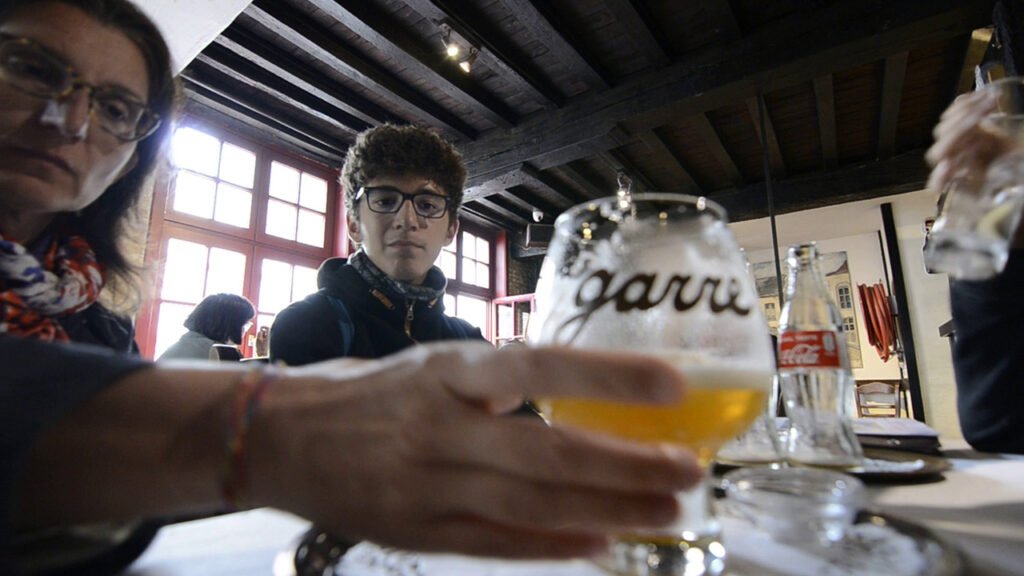
- Delirium Café: The Guinness World Record holder with over 2,000 types of beer. Chaotic, noisy, touristy, but you must visit once to see the “beer bible” (the menu) and feel the energy.
- À la Mort Subite (“The Sudden Death”): A beautiful, authentic Brussels café from the early 20th century. The interior is almost untouched. This is a place for slow sipping and soaking in the atmosphere.
- Cantillon Brewery: For true beer enthusiasts. This is a working museum-brewery where you can see how traditional lambic has been made the same way for over a hundred years.
Chapter III: Art Nouveau – The Curls of Nature in Stone and Iron
At the end of the 19th century, Brussels was the epicenter of an architectural revolution called Art Nouveau. Inspired by nature, this style rejected rigid lines and embraced curved, organic forms, floral motifs, and the innovative use of iron and glass.
Where to See Art Nouveau:
- The Horta Museum: A mandatory visit. This was architect Victor Horta’s former home and studio and is the essence of the style. You must buy tickets online in advance!
- An Architectural Walk: The most beautiful facades are found in the Saint-Gilles and Ixelles neighborhoods.
- Musical Instruments Museum (MIM): Housed in the spectacular Art Nouveau building of the former “Old England” department store. Even if you don’t enter the museum, admire the facade and go up to the rooftop café for a beautiful city view.
An Itinerary for a Hedonistic Weekend (48 Hours)
DAY 1: The Grand Square, Chocolate Fever & Beer Stories
- Morning (10 AM – 1 PM): The Grand-Place and its Surroundings. Start at what many consider the most beautiful square in the world. The Grand-Place (Grote Markt) is surrounded by opulent, gold-gilded guildhalls. After soaking in its beauty, find the nearby Manneken Pis, the mischievous urinating boy statue, and smile at his tiny size and iconic status.
- Lunch (1 PM – 2:30 PM): The National Dish. Find a restaurant in the Rue des Bouchers (the “restaurant street”) and order Moules-frites-a huge pot of mussels cooked in white wine, served with a side of perfect french fries.
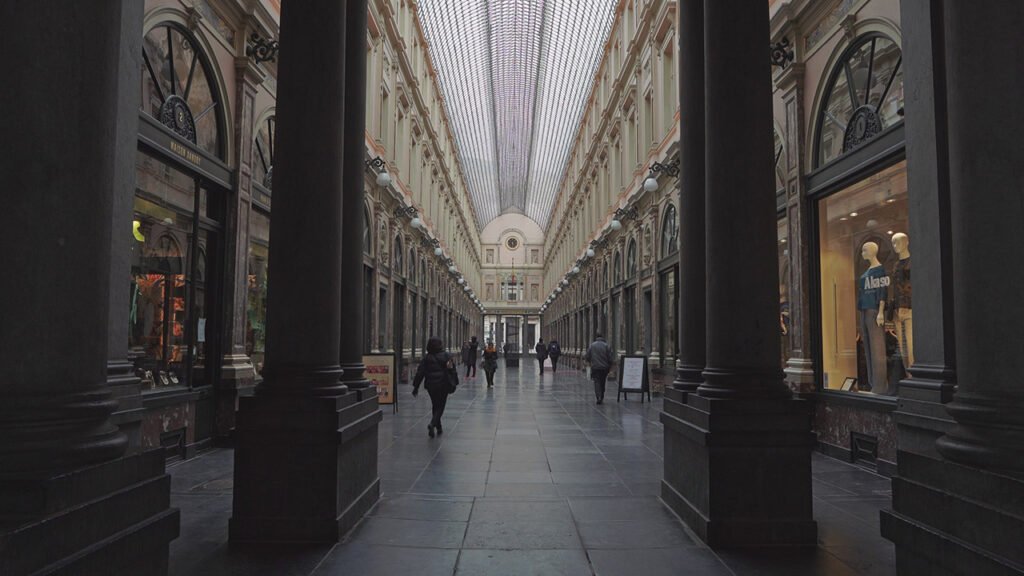
- Afternoon (3 PM – 6 PM): A Chocolate Tour. Stroll through the elegant Galeries Royales Saint-Hubert, the oldest shopping arcade in Europe. This is the epicenter of luxury chocolatiers. Visit Neuhaus, Pierre Marcolini, and Leonidas to assemble your perfect box of pralines.
- Evening (6:30 PM onwards): A Beer Pilgrimage. Time for beer. Start at Delirium Café to feel the energy, then find peace and authenticity at the nearby À la Mort Subite.
DAY 2: Art, Atoms, and Waffles
- Morning (10 AM – 1 PM): An Art Nouveau Adventure. Visit the Musical Instruments Museum (MIM). Admire the building and have a coffee on the roof. Then, catch a tram to the Horta Museum (with your pre-booked ticket) and immerse yourself in the world of Victor Horta.
- Lunch (1:30 PM – 2:30 PM): Fries and Waffles. Time for the crown jewels of Belgian street food. Find a famous fry shop (friterie), like Maison Antoine at Place Jourdan, and get a large cone with one of the countless sauces. For dessert, find a street vendor and try a Brussels waffle (light and rectangular) with your topping of choice.
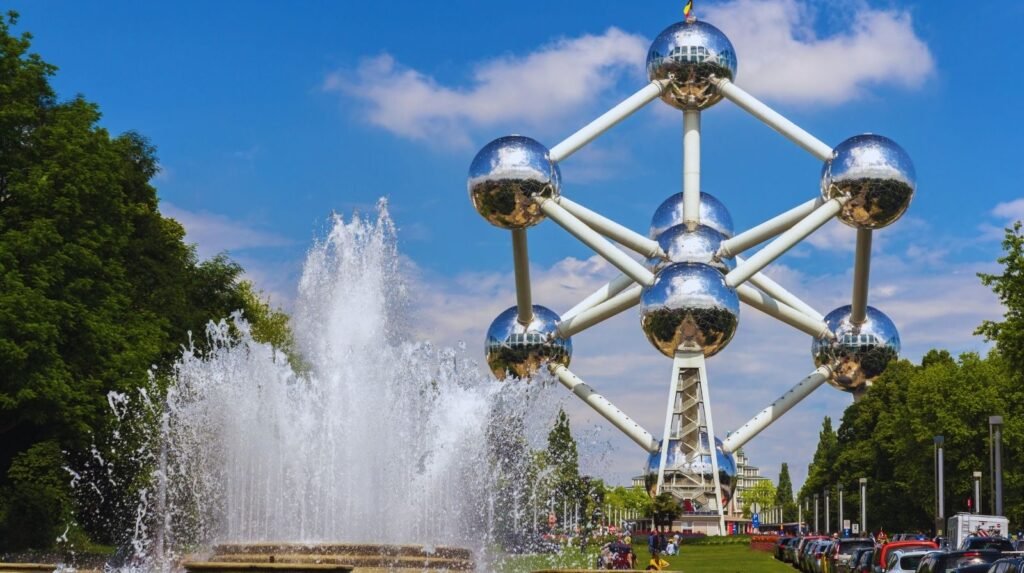
- Afternoon (3 PM – 6 PM): A Trip to the Atomium. Hop on the metro and visit the Atomium, a giant structure of an iron crystal magnified 165 billion times, built for the 1958 World’s Fair. Take the elevator to the top for a panoramic view of Brussels.
- Evening: Spend a relaxed evening in the charming Saint-Géry neighborhood, which is full of lively bars and restaurants with more affordable prices.
Brussels Bites: Fries, Waffles, and Mussels
- Fries (Frites): The secret is double-frying in beef fat, which gives them their incredible crispiness on the outside and fluffiness on the inside.
- Waffles (Gaufres): There are two kinds. The Brussels waffle is light, airy, and rectangular. The Liège waffle is denser, sweeter, with caramelized sugar pearls in the dough. Try both!
- Mussels with Fries (Moules-frites): The national dish. The mussels are most often steamed in white wine with celery and onions and served in a large black pot.
Conclusion: A City of Unexpected Pleasures
Brussels is a city that stands quietly and confidently in the shadow of its more glamorous neighbors. It doesn’t try to dazzle you at first glance. It wins you over slowly, bite by bite, sip by sip, detail by detail. It is a city for grown-up hedonists, for those who know how to appreciate the complexity of a good beer, the elegance of a handmade praline, and the beauty of a single, perfectly curved line on a facade.
48 hours in Brussels is the perfect dose. Enough to fall in love with its understated beauty and to leave with the feeling that you’ve discovered a well-kept secret. And with a firm decision to return for more.