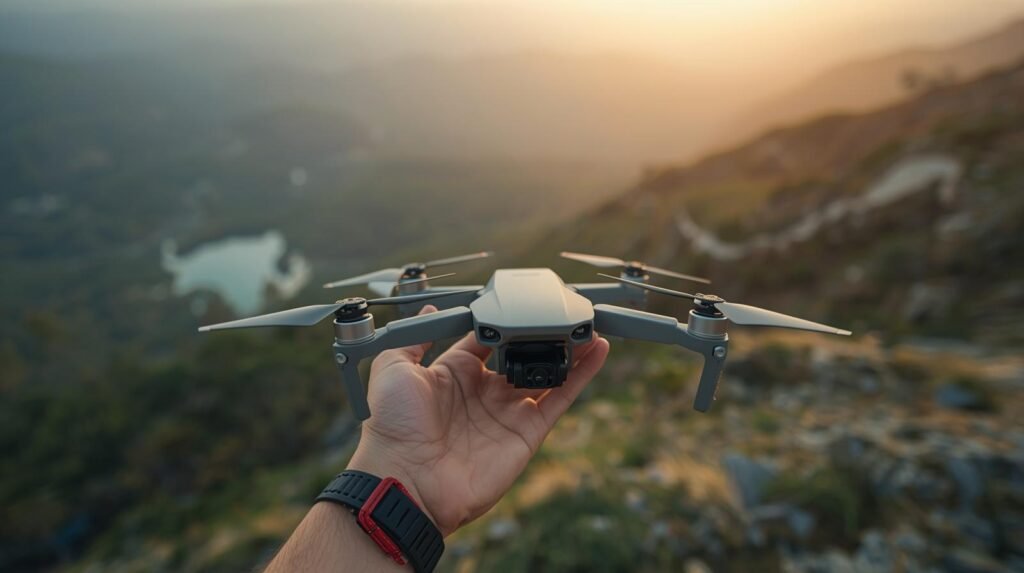
You’ve got the ultimate travel gadget: your drone! That compact piece of technology promises breathtaking, cinematic views of ancient ruins, towering mountains, and stunning coastlines that no handheld camera can capture. I’ve personally chased sunsets over remote islands and soared above bustling cityscapes – the footage is pure magic!
But here’s the harsh reality I quickly learned: Every country, and often every city, has wildly different, complex, and strictly enforced drone laws. What’s a fun flight in one place can land you an immediate, massive fine or even confiscation in another! The biggest mistake travelers make is assuming their home country’s rules apply everywhere.
The secret to flying hassle-free is meticulous pre-planning and absolute adherence to local rules, ensuring your drone remains a source of joy, not a cause for panic!
This is your ultimate, experience-driven guide to traveling and flying with your drone globally. We’ll show you how to navigate international regulations, where to find the magic fly zones, and how to avoid the most common, costly mistakes! Get ready to take flight legally and confidently!
The Golden Rule: Research Before You Pack, Register Before You Fly
Never assume a country is “drone-friendly.” Assume the law is complex and requires active research. If you are stopped, “I didn’t know” is never an acceptable defense.
Technique Spotlight: The “Know Before You Go” Triple Check
Check 1: National Laws (The Basics). Google “[Destination Country] drone laws 2024/2025.” Look for the Civil Aviation Authority (CAA) website. Note the maximum allowed flying height and the required distance from airports/buildings.
Check 2: Registration. If your drone is over 250 grams (which most camera drones are), most developed nations require you to register as a pilot and affix your registration number to the drone itself. Do this online before you leave!
Check 3: Local Apps. Download the local airspace app (e.g., FAA’s B4UFLY in the US, or specific European apps). These apps show real-time “No Fly Zones” (NFZs) for parks, government buildings, and airports.
Recommended for: All drone owners traveling internationally.
1. The Airport and Transport Trap (Getting It There Safely)
A drone is not just a camera; it’s a high-powered battery risk that airlines take very seriously.
Battery Protocol is Non-Negotiable:NEVER put lithium batteries in checked luggage! They must ALWAYS be carried in your carry-on bag. The Hack: Use fireproof LiPo Safe Bags for each battery. This demonstrates to security that you are a serious, safe operator and protects against potential short circuits.
Security Scanners: Be prepared to remove the drone and batteries from your carry-on bag at airport security. Pro Tip: Keep the drone in its original or a high-quality case with its manufacturer’s label visible. This speeds up the inspection process.
Customs Declaration: When entering countries with strict laws (e.g., Morocco, Turkey, often in Southeast Asia), you may be required to formally declare the drone at customs. Warning: Some countries (like Cuba or Egypt) have effectively banned recreational drones entirely; check before you fly!
2. The Cultural and Ethical No-Fly Zones
Some places aren’t legally restricted but are ethically off-limits. Flying here is a surefire way to get a negative response.
People and Privacy:NEVER fly directly over crowds of people, private gardens, or hotel pools. Drones make noise and violate privacy. The Law: Many places prohibit flying over people unless you have a commercial license. The Ethics: It just makes you a rude tourist!
Sacred and Historic Sites: Temples, mosques, ancient ruins (like the Acropolis or the Roman Colosseum) are almost always No Fly Zones (NFZs) due to security, cultural respect, or risk of damage. The Hack: Walk 500 meters away and find an adjacent hill or open area. If you can’t get a clear, legal shot, respect the rules.
National Parks: Many iconic national parks and protected areas ban drones to protect wildlife and minimize noise pollution. Solution: Check the park’s official website before you drive there!
3. The Flight Execution (Avoiding the Fine)
When you are finally ready to fly, follow this simple checklist.
The Check-In: Use your local airspace app to confirm your spot is clear. Check the wind speed—drones are easily lost in high winds!
Maintain Visual Line of Sight (VLOS): Most recreational laws demand you keep the drone in sight at all times. NEVER fly it behind a mountain or building just for the shot – it’s illegal and highly risky!
The “Short and Sweet” Flight: Keep your flights brief (under 15 minutes) and fly safely. This minimizes noise, draws less attention from locals, and makes you look like a responsible operator.
Don’t let bureaucracy crush your creativity! With a little preparation and respect for local rules, your drone will capture the most stunning memories of your life. Fly safe, fly smart, and share those beautiful views!
For more insider tips on where to find the best travel spots (that are drone-friendly!) and all things travel, your guide is lastmingo.ch/!
Don’t forget to include the link if you share this post!