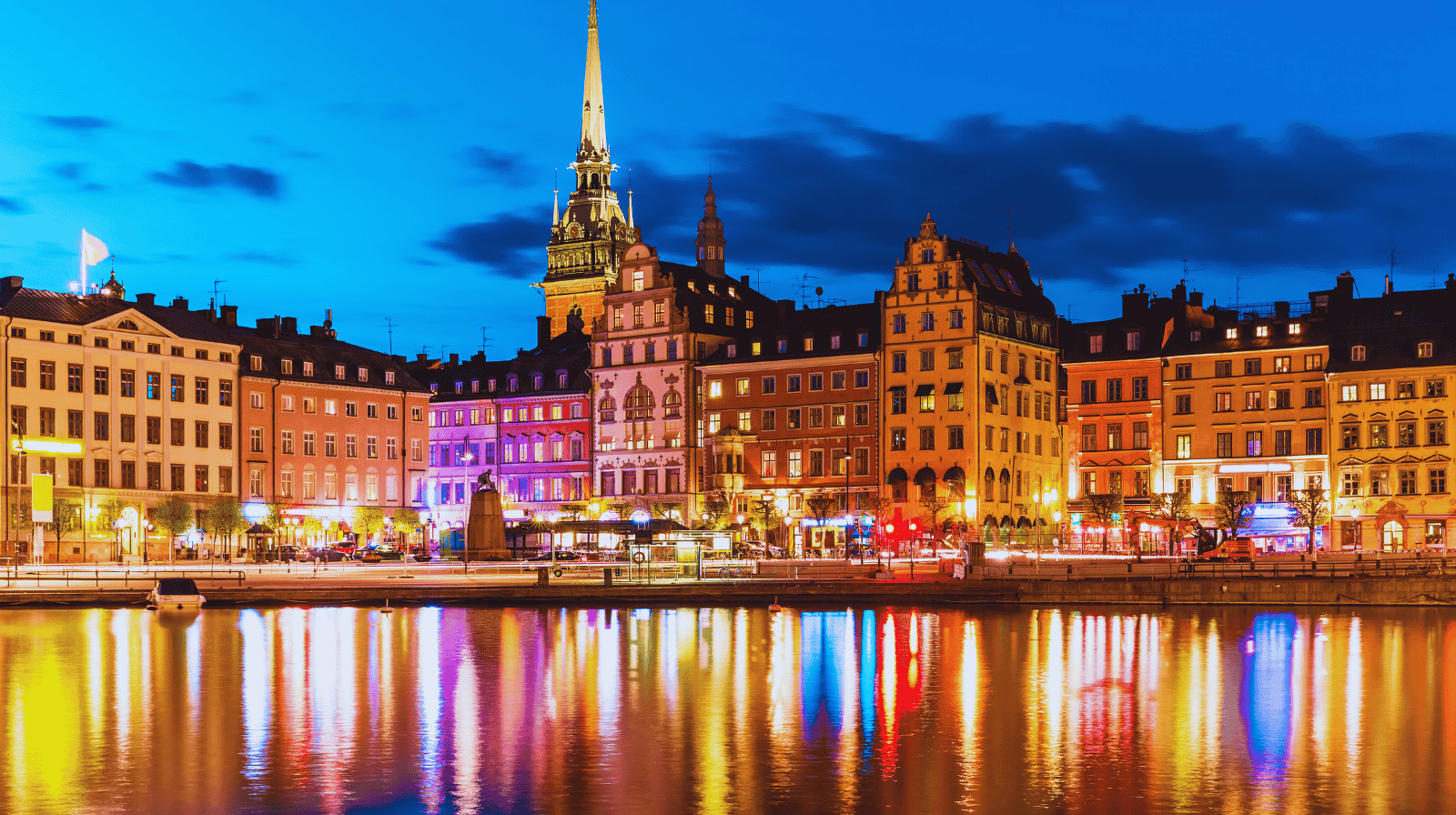
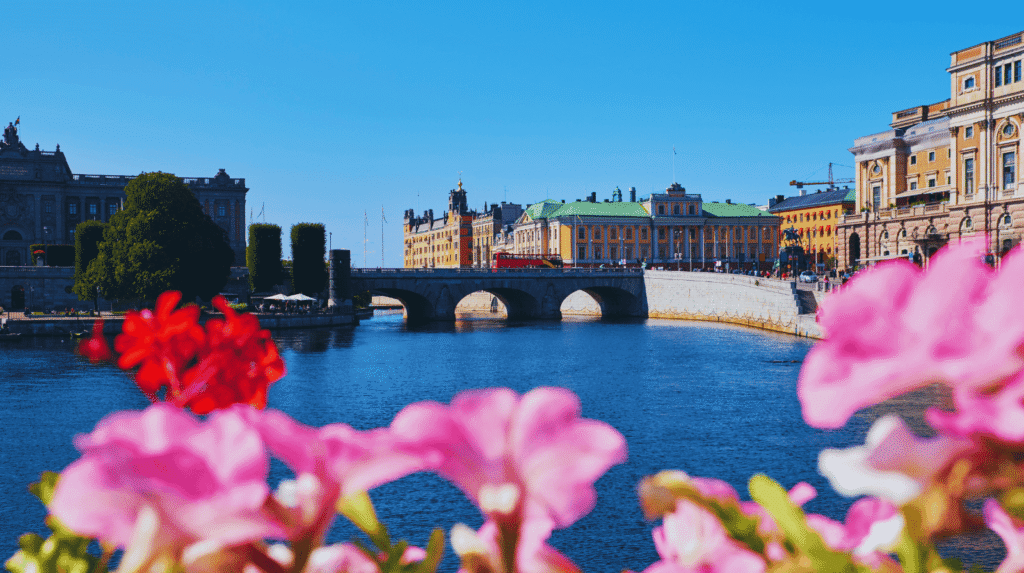
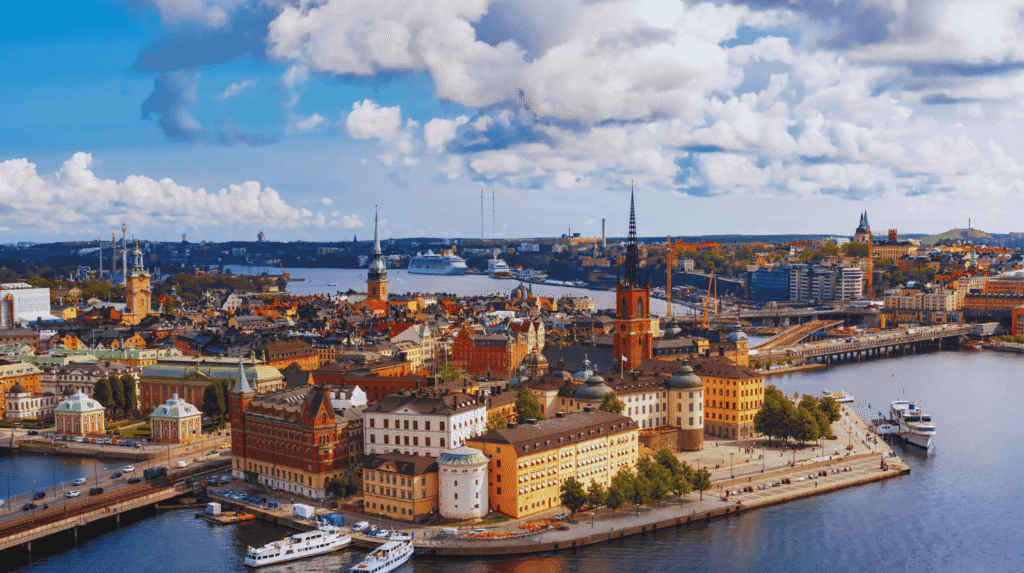
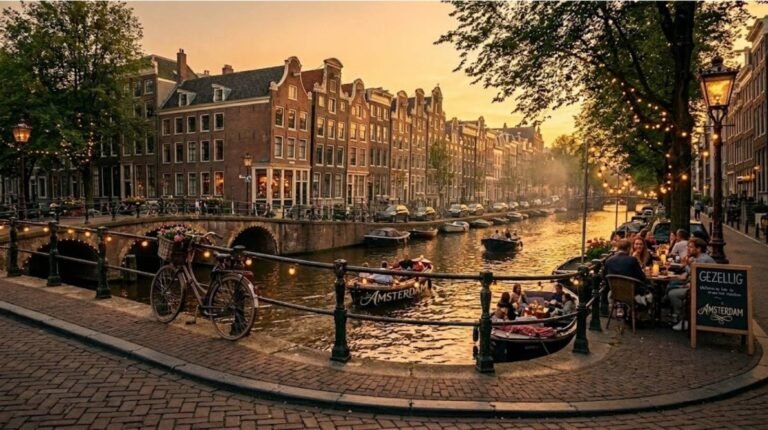
Imagine a city that doesn’t simply lie beside the water – but on it. A city made up of 14 islands, connected by more than 50 bridges, where elegant, colorful façades reflect in the clear Baltic canals. Where you can begin your morning in a medieval old town, spend the afternoon in a museum marveling at a 400-year-old warship, and welcome the evening with a refreshing swim off a wooden dock.
Welcome to Stockholm, the “Venice of the North.”
This is not a city that overwhelms you with noise or chaos. Stockholm seduces quietly – with intelligence, impeccable style, and a profound connection to nature. Here, design is a way of thinking, the coffee break is a sacred ritual, and the sensation of sea air lingers in every street.
A “quick escape” to Stockholm, especially in summer, is an immersion into a world of long golden days and “white nights,” when the sun barely sets and the whole city celebrates the light. It’s a chance to experience the perfect balance between urban sophistication and the calming presence of water.
This is your guide to that adventure – a plan for how to capture the essence of one of the most beautiful and well-organized cities in the world, even in a short visit.
Stockholm Survival Guide: The Art of Fika and Getting Around
Before you set off exploring the islands, a few key essentials.
1. Flights & Visa
Flights: From Serbia and the region, travel typically involves low-cost airlines to Skavsta (NYO), about 100 km from the city, or flights with a layover to the main airport Arlanda (ARN). Both airports have excellent bus and train connections to the city center.
Visa: Sweden is part of the EU and Schengen area – standard travel rules apply.
2. Getting Around: Water & Rails
Stockholm’s public transport system (SL) is outstanding.
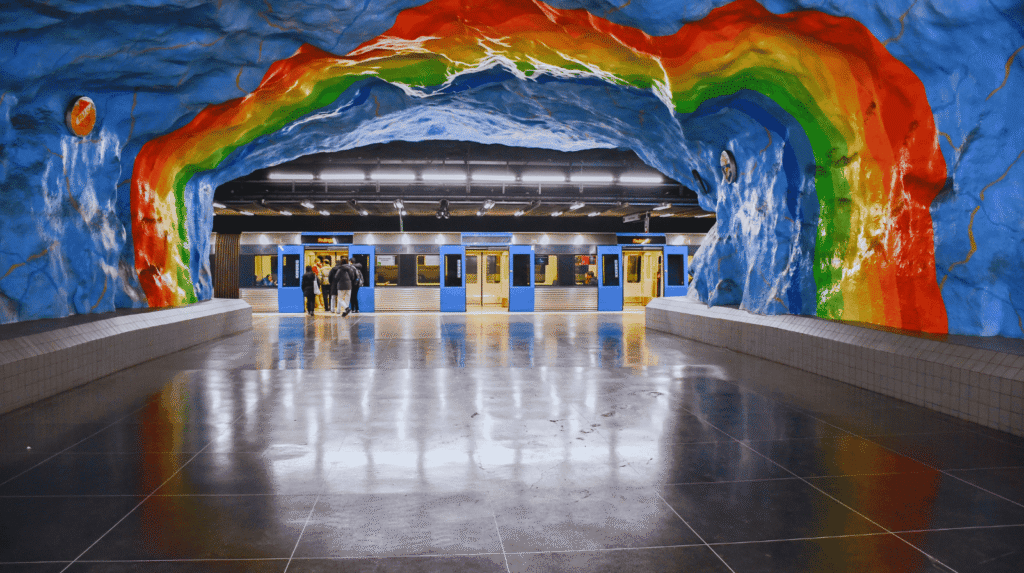
Metro (Tunnelbana): More than just transportation – it’s the longest art gallery in the world. Many stations are decorated with impressive murals and installations.
Ferries: The most beautiful way to experience the city. Public ferries are part of the regular transport network and connect key islands like Gamla Stan, Södermalm, and Djurgården.
Tickets: Get a 24-hour or 72-hour pass – covers all transport types and is the best value.
Fika: The most charming and budget-friendly cultural indulgence.
Free activities: Walking, exploring neighborhoods, and visiting museums on free-entry days.
4. FIKA – More Than a Coffee Break
This is the most important cultural lesson.
What is Fika? A sacred Swedish ritual. It’s not “grabbing a coffee to go.” It’s choosing to slow down. To spend time with friends, colleagues, or even yourself – with a cup of coffee and a pastry.
What to try:
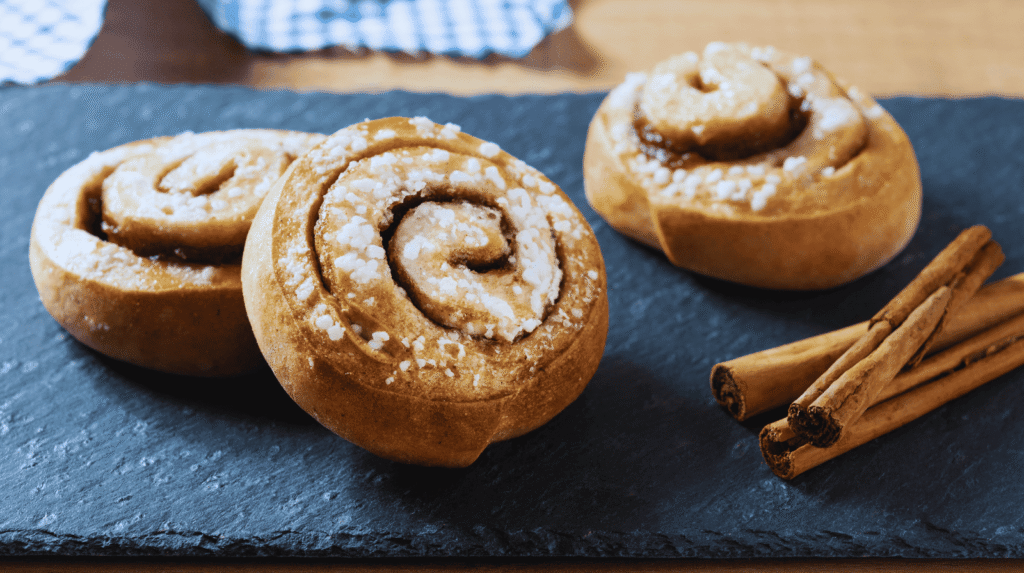
Kanelbulle: Cinnamon roll – the unofficial symbol of Sweden.
Kardemummabulle: The cinnamon roll’s sister, flavored with cardamom – many consider it even better.
Chapter I: Gamla Stan – Where Stockholm Began
Your journey begins on the island where the city was founded in the 13th century.
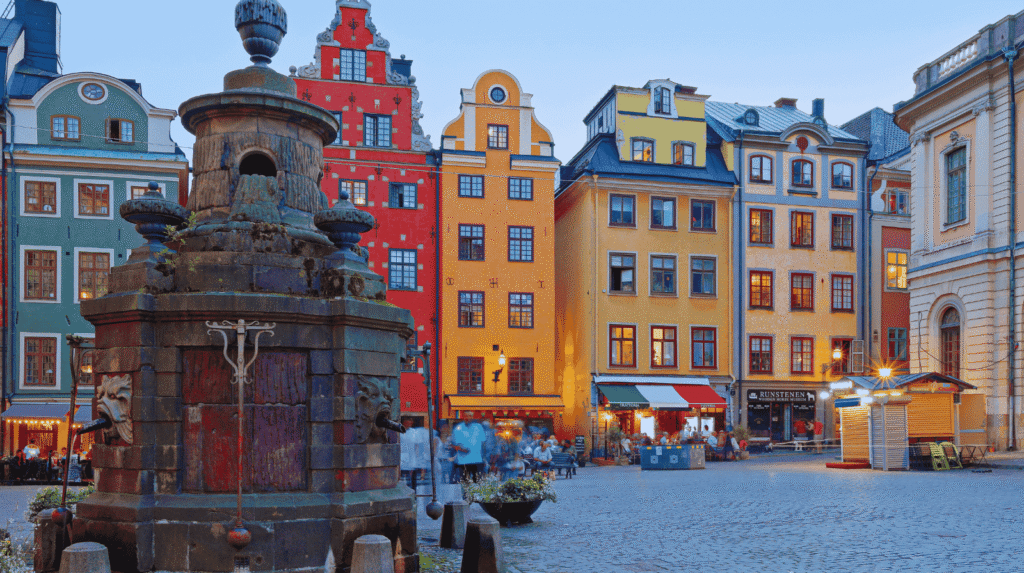
Experience: Gamla Stan is one of the best-preserved medieval centers in Europe. A maze of narrow cobblestone streets lined with buildings in warm shades of gold, orange, and terracotta.
What to see:
Stortorget: The oldest square, surrounded by iconic colorful houses – the most photographed spot in the city. Also the site of the Stockholm Bloodbath of 1520.
Royal Palace: One of the largest palaces in Europe. Watch the changing of the guard.
Storkyrkan: Stockholm’s cathedral, the coronation site of Swedish monarchs.
Västerlånggatan: The lively tourist street full of souvenir shops.
Mårten Trotzigs gränd: The narrowest street in Stockholm – just 90 cm wide.
Chapter II: Södermalm – The Heart of Stockholm’s Cool
South of Gamla Stan lies Södermalm, or simply Söder to the locals.
Vibe: Once a working-class district, today the center of Stockholm’s alternative and creative scene — the city’s answer to Brooklyn or Berlin’s Kreuzberg.
What to do:
SoFo (South of Folkungagatan): Vintage shops, independent local designers, vinyl stores, quirky cafés – the neighborhood’s creative soul.
Fotografiska: One of the world’s best contemporary photography museums, in a former customs building by the waterfront. The restaurant upstairs offers stunning views.
Monteliusvägen: A short elevated walking path with the best panoramic view over Gamla Stan, City Hall, and Lake Mälaren.
Chapter III: Djurgården – The Island of Museums and Nature
A peaceful, green island that serves as the cultural and recreational heart of the city. The best way to reach it? By ferry.
Museums you shouldn’t miss:
Vasa Museum (Vasamuseet) – Absolute Must-See You walk into a dim hall and suddenly the enormous, perfectly preserved 17th-century warship appears before you. It sank on its maiden voyage, just a few hundred meters from shore. Raised after 333 years – its carvings, size, and presence are extraordinary.
Skansen – Sweden in Miniature The world’s oldest open-air museum. Historical houses and farms from across Sweden, craft workshops, and a Nordic animal park with moose, reindeer, and bears.
ABBA The Museum – Pure Joy Interactive, musical, fun – sing, dance, and appear onstage as the fifth ABBA member.
Quick Getaway Itinerary (3–4 Days)
DAY 1: Gamla Stan + Fika + Evening Boat Tour DAY 2: Djurgården – Vasa + Skansen or ABBA + Park Walk DAY 3: Södermalm – SoFo Shopping + Monteliusvägen Views + Fotografiska DAY 4 (Optional): Archipelago Trip to Vaxholm for swimming, wooden docks, and peace.
Beyond the City: The Stockholm Archipelago – 30,000 Islands
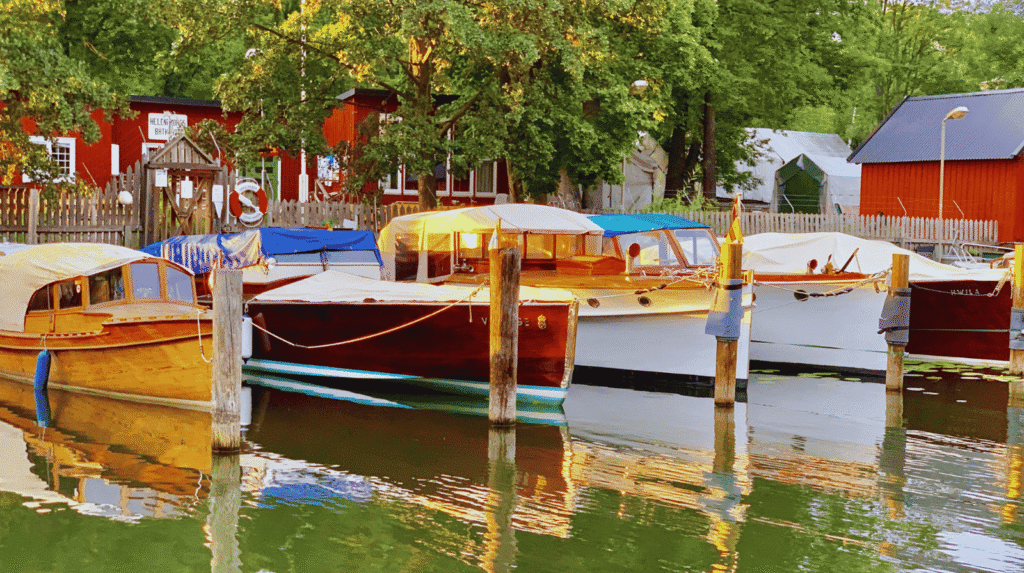
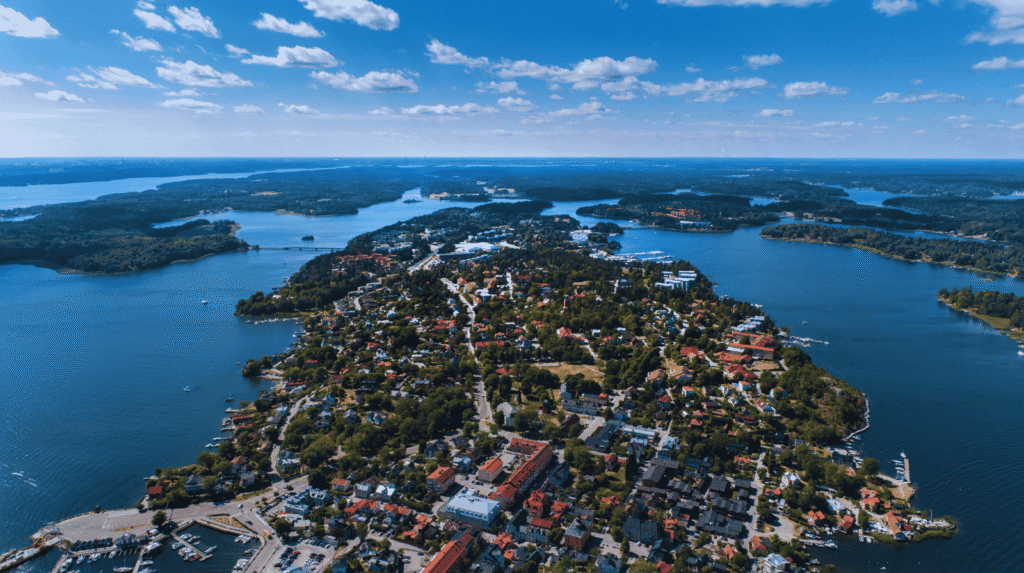
Stockholm is inseparable from its archipelago. In summer, it’s a paradise of red wooden cottages, sailboats, and quiet bays. A day trip to Vaxholm will give you a perfect taste of this Scandinavian coastal dream.
Conclusion: A City of Perfect Balance
Stockholm teaches balance. Balance between old and new, work and rest (fika), city life and nature. A city of flawless style, quiet confidence, and simple, deep pleasures.
You will leave the “Venice of the North” not just with beautiful photographs, but with a sense of calm and inspiration. And with a new understanding that a city doesn’t have to be loud to be exciting – and that sometimes, the greatest luxury is time spent in silence, with a good coffee and a view of the water.