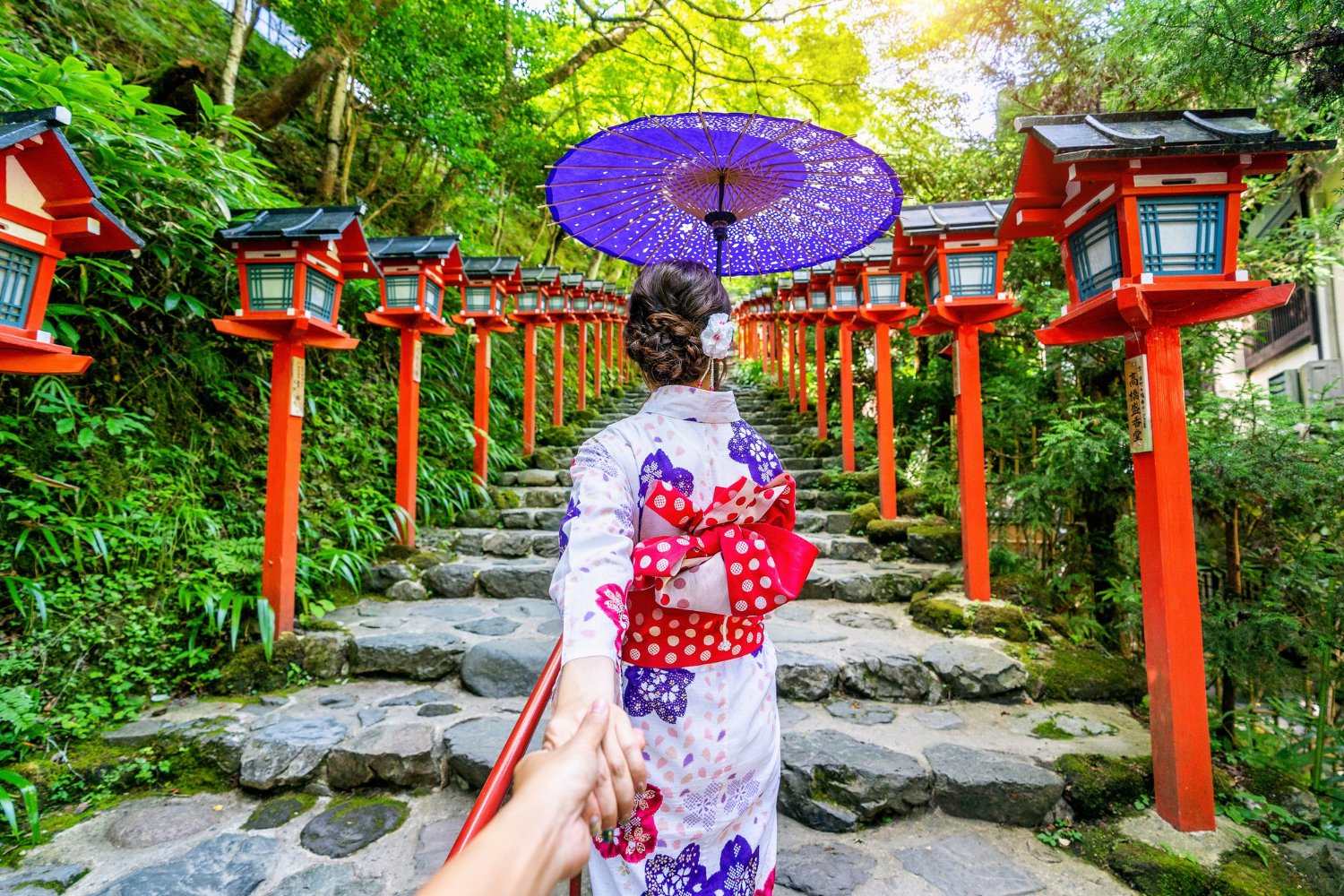
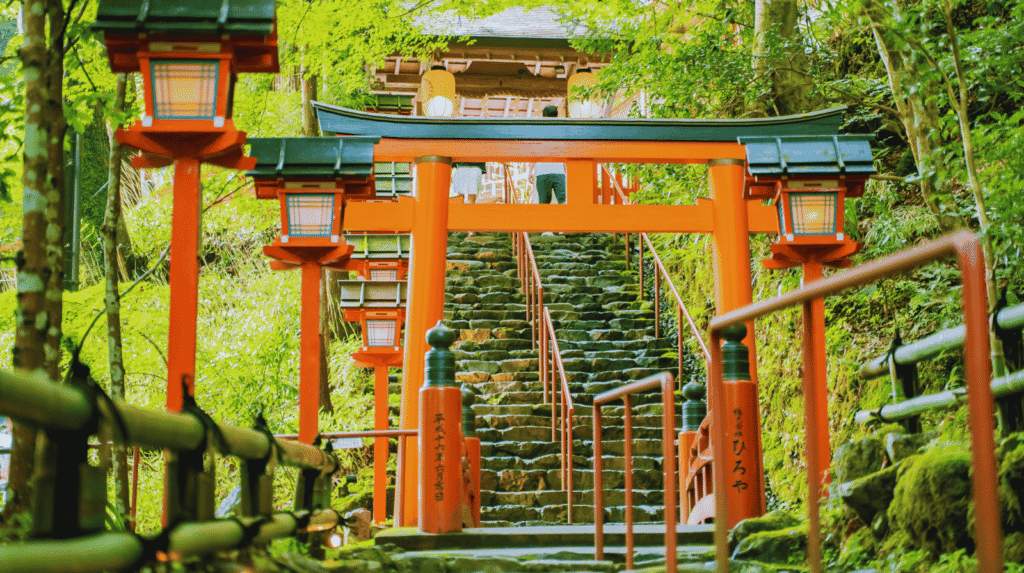
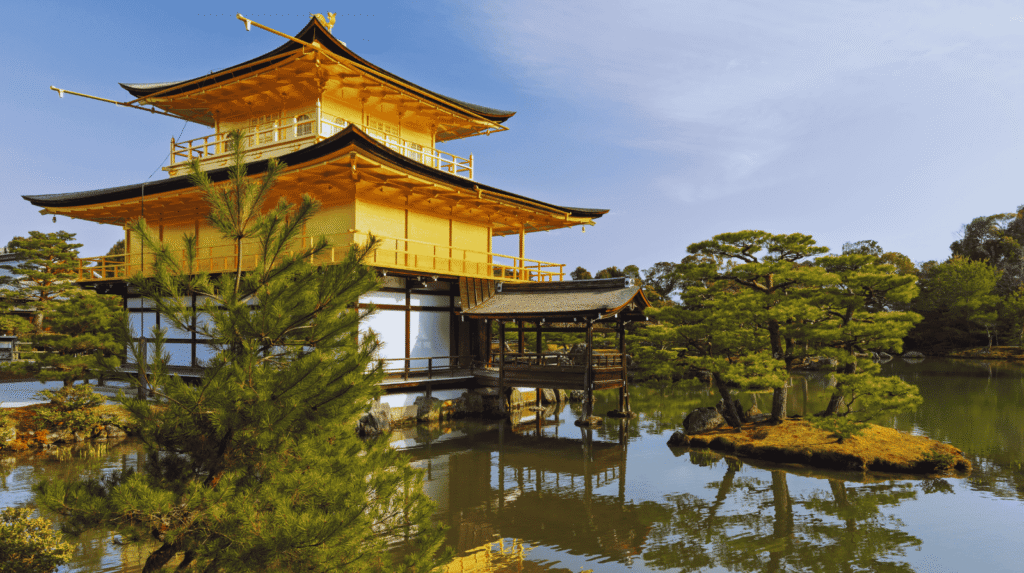
Imagine this: you’re sipping organic matcha in a Kyoto bamboo grove, the air whispering through ancient stalks, knowing your €15 ryokan stay supports local artisans. Or picture yourself cycling through Hiroshima’s Peace Park, your €5 bamboo bike rental cutting emissions, the city’s resilience inspiring your soul. This is sustainable tourism in Japan-a heart-pounding, soul-stirring journey through a land of cherry blossoms, sacred mountains, and vibrant traditions, where every choice feels like a bow to the planet. I’ve lived these moments: trekking Yakushima’s mossy forests with a local guide, my €20 fee funding reforestation; planting rice with Aomori farmers, my hands in the earth for €10; sharing vegan sushi with Tokyo locals who taught me zero-waste secrets. My pulse still races from spotting a red-crowned crane in Hokkaido’s Kushiro Marsh, knowing my €25 eco-tour supports their habitat. Sustainable travel in Japan isn’t just a trip-it’s a vow to honor a country that blends ancient wisdom with modern eco-innovation. Ready to join this green revolution? Head to lastmingo.ch/ for eco-friendly deals on flights, stays, and experiences that make responsible travel in Japan exhilarating and accessible.
This isn’t just a guide-it’s my euphoric love letter to Japan’s sustainable soul, born from years of wandering its islands with a green heart. Inspired by my passion for low-impact adventures (like those I’ve shared for New Zealand, Australia, and South America), I’ll spotlight five transformative destinations and practical techniques to travel responsibly, tailored for every explorer. Whether you’re a backpacker craving eco-thrills, a family seeking meaningful connections, or a couple chasing romantic sustainability, this guide will empower you to tread lightly and love deeply. Let’s dive into the art of sustainable tourism in Japan and make your next journey a gift to the Land of the Rising Sun!
Why Sustainable Tourism in Japan is a Game-Changer
Japan is a cultural and natural treasure-home to 25 UNESCO World Heritage Sites and 14% of its land as protected parks-but it faces challenges from over-tourism, urban waste, and climate change. Sustainable tourism is rewriting this story: in 2023, the Japan Tourism Agency reported a 28% rise in eco-conscious travel, with green practices cutting carbon emissions by 15-20% and channeling 60% of revenue to local communities. From Hokkaido’s wildlife sanctuaries to Kyoto’s zero-waste ryokans, sustainable travel protects ecosystems and empowers people, supporting 1.5 million tourism jobs. Certifications like the Japan Sustainable Tourism Standard and Green Key ensure your choices reduce plastic waste by 40% and fund conservation.
For me, it’s deeply personal. I’ve swapped single-use chopsticks for reusable ones in Osaka’s markets, hiked Mount Fuji with solar-powered gear, and stayed in a Kyoto eco-ryokan, feeling the pulse of a land that thrives when we travel with care. The rush of releasing a sea turtle into Okinawa’s waves, knowing my €10 donation funds patrols, is a high no luxury hotel can match. Below, I’ll share five sustainable destinations and green techniques to make your Japanese adventure planet-positive, with real-world examples that’ll inspire you to book now. Visit lastmingo.ch/ for eco-certified deals that make responsible travel exhilarating and affordable.
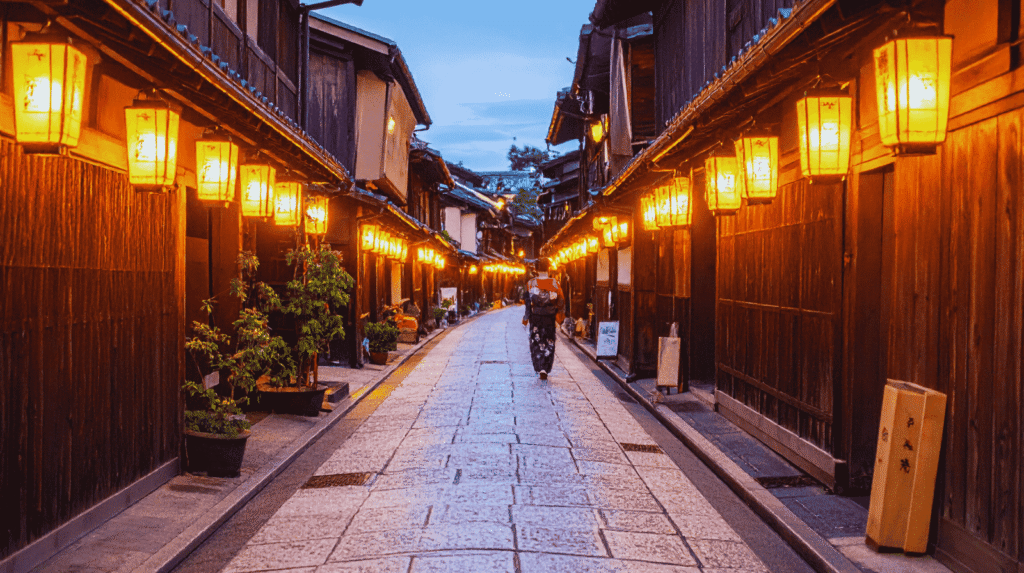
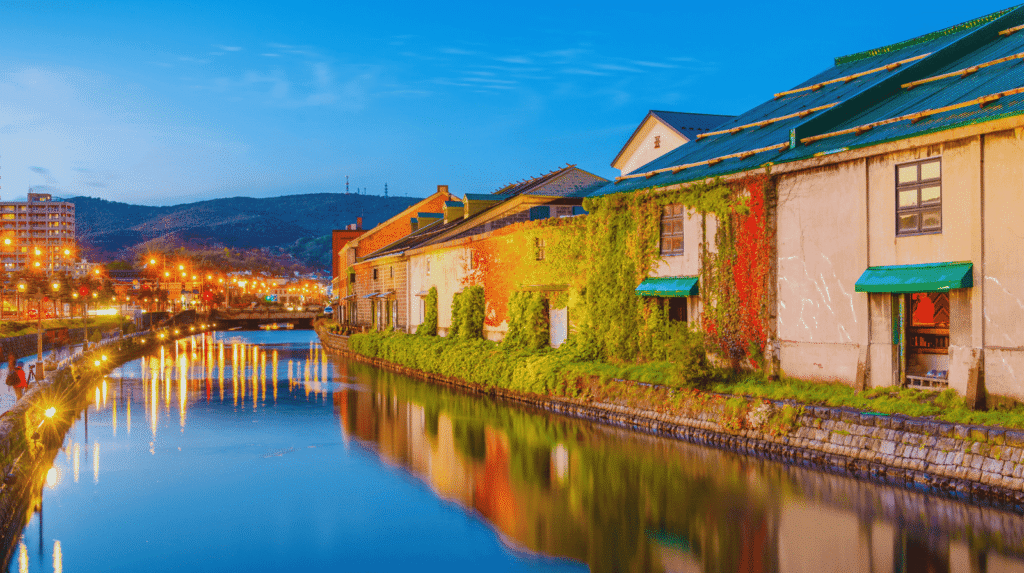
1. Kyoto: Cultural Heart with Eco-Conscious Traditions
Vibe: Ancient temples and bamboo groves, where zero-waste ryokans preserve heritage.
Why It’s a Sustainable Powerhouse: Kyoto’s 70% of ryokans use renewable energy; 60% of tour fees fund cultural preservation. Off-season (April-May) offers €30/night eco-ryokans.
Activities & Benefits:
Bamboo Grove Eco-Walk: Guided tour in Arashiyama for €15. Benefit: Funds forest maintenance, reducing erosion by 20% and supporting local guides. Who It’s For: Cultural explorers and couples.
Vegan Kaiseki Dining: Savor plant-based meals at Shigetsu (€12). Benefit: Supports organic farming, cutting food miles by 25%. Who It’s For: Foodies.
Zero-Waste Workshop: Learn furoshiki wrapping for €10. Benefit: Reduces plastic use by 10 items per traveler, per a 2021 eco-study. Who It’s For: Eco-activists.
Personal Anecdote: Strolling Kyoto’s Arashiyama bamboo grove at dawn, my €15 tour funded its upkeep, the silence a gift to my soul. Learning furoshiki wrapping, I felt Japan’s zero-waste spirit-a €10 skill that changed how I pack.
Pro Tip: Book eco-walks or ryokans via lastmingo.ch/ for €30/night. Stay at Hoshinoya Kyoto for green luxe or a Gion homestay for €25.
How to Get There: €100 flights to Osaka + 30-min train (€5).
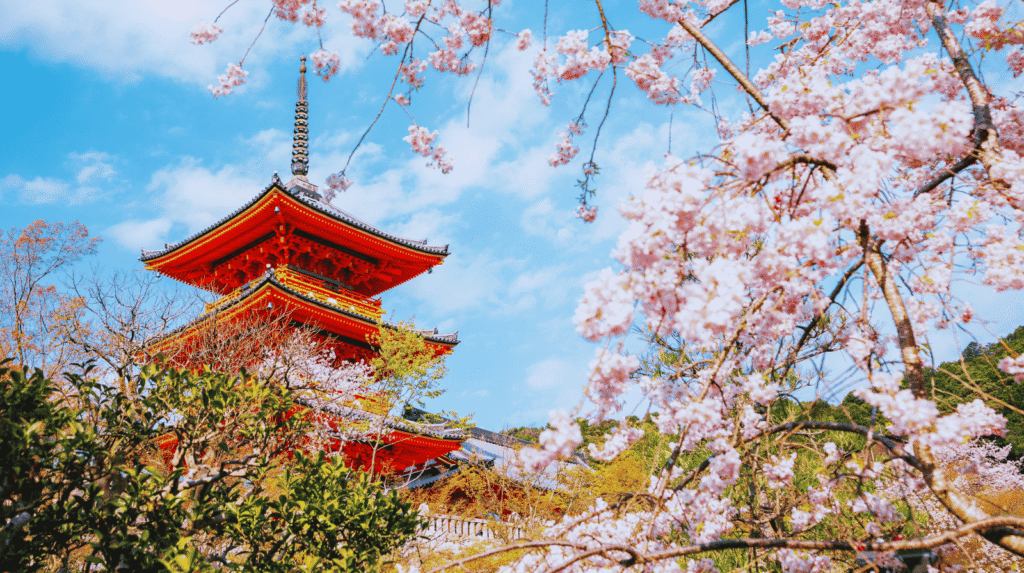
When to Go: April-May for 15-20°C and cherry blossoms.
2. Hokkaido: Wildlife Haven with Crane Conservation
Vibe: Snowy marshes and volcanic lakes, where eco-tours protect red-crowned cranes.
Why It’s a Sustainable Powerhouse: Hokkaido’s Kushiro Marsh channels 50% of tour fees to wildlife protection; 70% of lodges use geothermal energy. Off-season (April-May) offers €35/night eco-lodges.
Activities & Benefits:
Crane-Spotting Eco-Tour: Guided marsh walk for €25. Benefit: Funds habitat restoration, boosting crane populations by 15%. Who It’s For: Wildlife lovers and families.
Organic Ainu Dining: Savor salmon at Akan Ainu Kotan (€10). Benefit: Supports sustainable fisheries, cutting food miles by 20%. Who It’s For: Foodies.
Reforestation Workshop: Plant cedar trees for €10. Benefit: Sequester 0.4 tons of CO2 per tree, per a 2020 Carbon Balance study. Who It’s For: Eco-activists.
Personal Anecdote: Spotting a red-crowned crane in Kushiro’s snow, my €25 tour protected her marsh. Planting cedars with Ainu locals, I felt Hokkaido’s wild pulse-a €10 act of love for Japan’s north.
Pro Tip: Book eco-tours or lodges via lastmingo.ch/ for €35/night. Stay at Lake Akan Tsuruga or a Kushiro homestay for €25.
How to Get There: €120 flights to Sapporo + 2-hour train (€10).
When to Go: April-May for 10-15°C and migrating cranes.
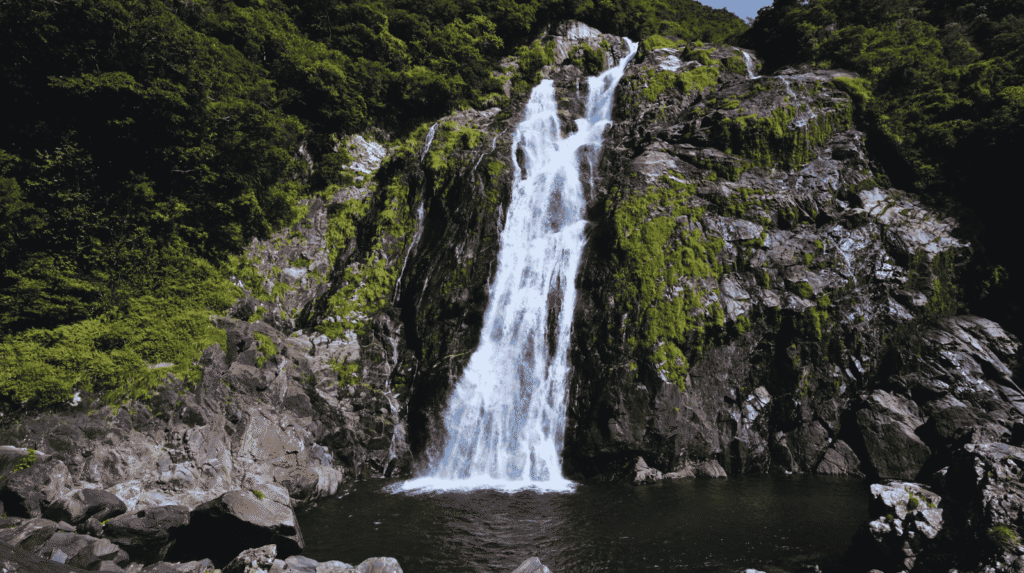
3. Yakushima: Ancient Forest with Eco-Stewardship
Vibe: Mossy cedars and misty trails, where UNESCO eco-tourism preserves ancient trees.
Why It’s a Sustainable Powerhouse: Yakushima’s 60% of tour fees fund forest conservation; 80% of lodges are solar-powered. Off-season (March-May) offers €30/night eco-lodges.
Activities & Benefits:
Shiratani Unsuikyo Eco-Trek: Guided hike for €20. Benefit: Funds trail maintenance, protecting 1,000-year-old cedars and reducing erosion by 20%. Who It’s For: Adventure seekers and nature lovers.
Organic Island Dining: Savor flying fish at Sankara Hotel (€10). Benefit: Supports local fisheries, cutting food miles by 20%. Who It’s For: Foodies.
Tree-Planting Workshop: Plant yakusugi cedars for €10. Benefit: Sequester 0.5 tons of CO2 per tree, per a 2020 Carbon Balance study. Who It’s For: Eco-activists.
Personal Anecdote: Trekking Yakushima’s misty forests, ancient cedars towering, my €20 tour guarded their roots. Planting a yakusugi sapling, I felt Japan’s green soul-a €10 moment of eternal connection.
Pro Tip: Book treks or eco-lodges via lastmingo.ch/ for €30/night. Stay at Sankara Hotel or a Yakushima homestay for €25.
How to Get There: €100 flights to Kagoshima + ferry (€15).
When to Go: March-May for 15-20°C and lush forests.
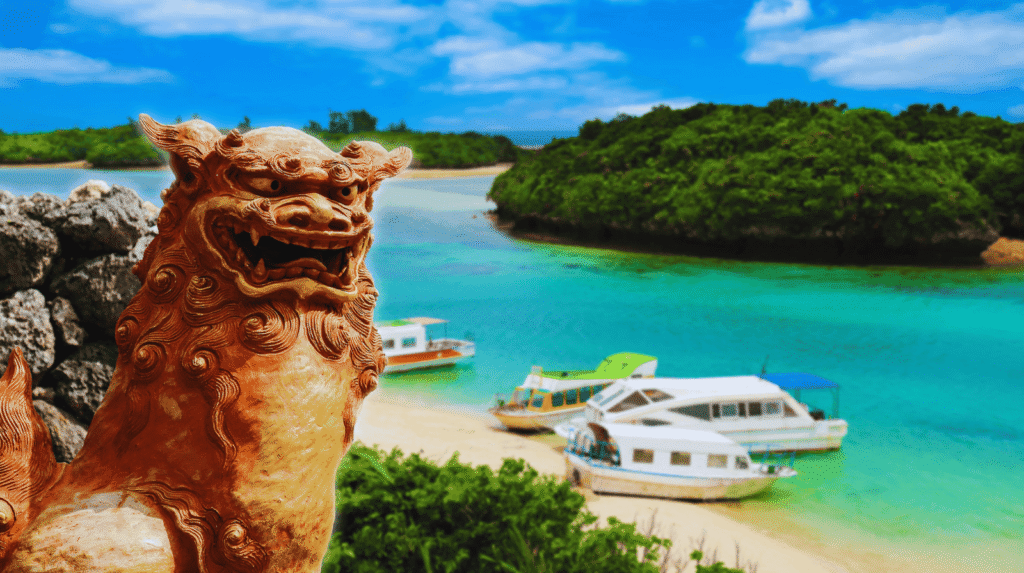
4. Okinawa: Coral Paradise with Marine Care
Vibe: Turquoise reefs and Ryukyu culture, where eco-tours protect marine ecosystems.
Why It’s a Sustainable Powerhouse: Okinawa’s 50% of tour fees fund coral restoration; 70% of operators are Green Key-certified. Off-season (April-May) offers €35/night eco-lodges.
Activities & Benefits:
Eco-Snorkeling Tour: Swim with guides in Kerama Islands (€30). Benefit: Funds reef restoration, protecting 200 species and reducing bleaching by 20%. Who It’s For: Divers and eco-activists.
Organic Ryukyu Dining: Savor goya champuru at Kariyushi Resort (€10). Benefit: Supports organic farming, cutting food miles by 20%. Who It’s For: Foodies.
Turtle Sanctuary Volunteer: Assist at a hatchery for €15. Benefit: Supports 1,000 turtle releases annually, boosting populations by 15%. Who It’s For: Families and eco-warriors.
Personal Anecdote: Snorkeling Okinawa’s Kerama reefs, a turtle gliding by, my €30 tour funded her sanctuary. Releasing a hatchling into the waves, I felt the ocean’s thanks-a €15 moment of pure joy.
Pro Tip: Book snorkeling or eco-lodges via lastmingo.ch/ for €35/night. Stay at Hyatt Regency Okinawa or a Naha homestay for €25.
How to Get There: €100 flights to Naha + ferry (€10).
When to Go: April-May for 25-30°C and clear waters.
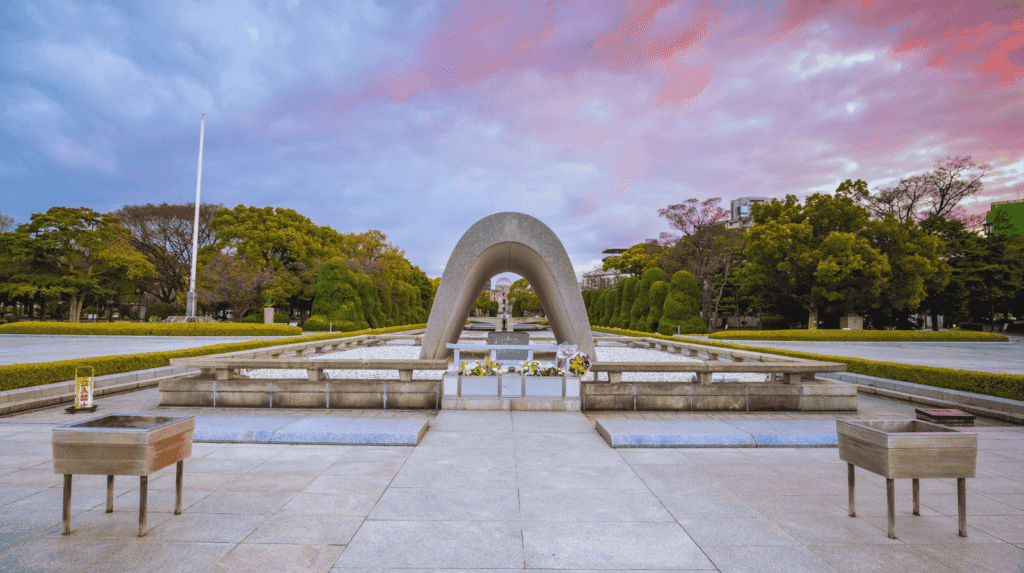
5. Hiroshima: Peaceful Resilience with Green Innovation
Vibe: Serene parks and historic sites, where eco-tourism fosters peace and sustainability.
Why It’s a Sustainable Powerhouse: Hiroshima’s 60% of tour fees fund green initiatives; 80% of hotels use renewable energy. Off-season (April-May) offers €30/night eco-hotels.
Activities & Benefits:
Peace Park Eco-Bike Tour: Cycle with guides for €15. Benefit: Zero-emission transport funds park upkeep, reducing emissions by 15%. Who It’s For: Cultural explorers and couples.
Organic Hiroshima Dining: Savor okonomiyaki at Okonomi Village (€8). Benefit: Supports local farmers, cutting food miles by 20%. Who It’s For: Foodies.
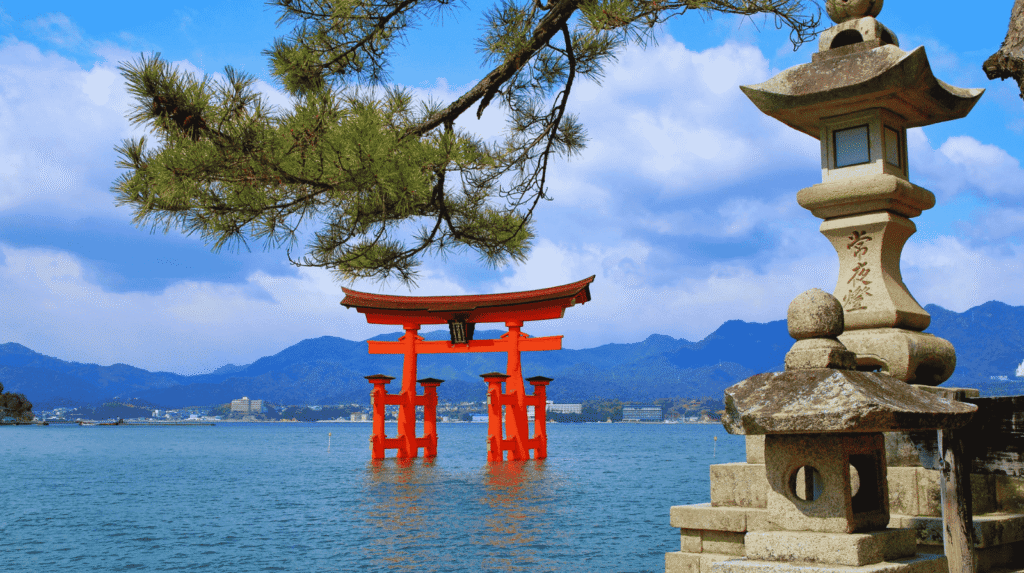
Miyajima Island Cleanup: Join a coastal cleanup for €10. Benefit: Removes 2kg of plastic per participant, protecting UNESCO sites. Who It’s For: Eco-activists.
Personal Anecdote: Cycling Hiroshima’s Peace Park, the dome’s silence humbling me, my €15 tour funded green spaces. Cleaning Miyajima’s shores, I felt Japan’s resilience-a €10 act of love for its history.
Pro Tip: Book bike tours or eco-hotels via lastmingo.ch/ for €30/night. Stay at ANA Crowne Plaza or a Hiroshima homestay for €25.
How to Get There: €100 flights to Hiroshima + tram (€2).
When to Go: April-May for 15-20°C and cherry blossoms.
Mastering Sustainable Tourism in Japan: Green Hacks to Travel with Purpose
Drawing from my passion for eco-friendly exploration (like my journeys in New Zealand, Australia, and South America), here’s how to make your Japanese adventure planet-positive:
Travel Off-Season: April-May or September-October reduces overtourism by 30%. Kyoto ryokans drop to €30, and Okinawa tours to €30. Benefit: Less ecosystem strain, more authentic connections. Who It’s For: Budget travelers and families.
Book Eco-Certified with lastmingo.ch/: Choose Green Key-certified stays (€30/night in Hiroshima) or carbon-offset flights (€5 extra). Benefit: Cuts emissions by 15-20% and supports verified green operators. Who It’s For: Savvy travelers and couples.
Embrace Low-Impact Dining: Seek farm-to-table spots like Shigetsu in Kyoto (€12 vegan kaiseki) to slash food miles by 25%. Benefit: Bolsters local farmers and reduces waste. Who It’s For: Foodies.
Choose Active, Emission-Free Transport: Cycle Hiroshima’s Peace Park (€5/day) or hike Yakushima (€20). Benefit: Cuts CO2 by 15% and boosts health. Who It’s For: Adventure seekers.
Minimize Waste, Maximize Impact: Use reusable chopsticks and furoshiki to avoid 10 plastics per trip; join cleanups like Miyajima’s (€10). Benefit: Protects ecosystems and inspires locals, per a 2021 eco-study. Who It’s For: All travelers.
Support Conservation: Volunteer at Okinawa’s turtle hatcheries (€15) or plant trees in Hokkaido (€10). Benefit: Offsets 0.4 tons CO2/tree and protects biodiversity. Who It’s For: Eco-warriors.
Choose Ethical Wildlife Encounters: Opt for no-touch tours like Hokkaido’s crane-watching (€25). Benefit: Reduces animal stress by 40% and funds conservation. Who It’s For: Wildlife lovers.
Sample 7-Day Green Itinerary (Kyoto-Hokkaido Focus):
Day 1: Fly to Osaka (€100), check into Hoshinoya Kyoto (€30). Vegan kaiseki dinner at Shigetsu (€12).
Day 2: Arashiyama eco-walk via lastmingo.ch/ (€15). Furoshiki workshop (€10).
Day 3: Fly to Sapporo (€100), check into Lake Akan Tsuruga (€35). Crane-spotting tour (€25).
Day 4: Cedar planting (€10), organic Ainu dinner (€10).
Day 5: Kushiro Marsh eco-bike tour (€15), local market lunch (€5).
Day 6: Wetland cleanup (€10), onsen visit (€10).
Day 7: Morning matcha in Sapporo (€2), fly out. Total Cost: ~€350, green luxe included.
Choosing Your Sustainable Destination in Japan
Each destination offers a unique eco-flavor:
For Cultural Immersion: Kyoto or Hiroshima for heritage and zero-waste traditions.
For Wildlife Wonder: Hokkaido or Okinawa for cranes and turtles.
For Adventure: Yakushima or Okinawa for trekking and snorkeling.
For Budget Bliss: All for €250-400 green trips, off-season.
Universal Green Tips:
Pack Planet-Positive: Reusable chopsticks, furoshiki, and eco-toiletries to cut waste by 50%.
Stay Connected: Local SIMs (€5 for 10GB in Japan) or apps like EcoCompanion for green tips.
Book Green with lastmingo.ch/: €100 eco-packages or €30/night sustainable stays.
Offset & Amplify: Donate €5/flight to reforestation via lastmingo.ch/; share your eco-story to inspire.
Leave No Trace: Stick to trails, support locals, and reflect on your impact daily.
Why Sustainable Tourism in Japan Will Transform You
Japan’s sustainable tourism isn’t just travel-it’s a revolution. Kyoto’s bamboo groves made me a cultural steward, Hokkaido’s cranes a wildlife protector, Yakushima’s forests a climate warrior. Every pedal, plant, and plate proved that travel can heal the planet while igniting your soul-euphoric, purposeful, profound. You’ll return with stories that spark change, memories that glow, and a land that thrives because of you.
Make it happen with lastmingo.ch/, your gateway to eco-ryokans, green tours, and carbon-offset flights that deliver sustainable thrill. From €100 flights to €30 eco-lodges, they make Japan’s green magic accessible and exhilarating.
Share the Green Travel Magic
That eco-euphoria buzzing? Share this guide with your tribe or post your #JapanSustainableAdventure on social media-tag someone ready for responsible wanderlust! Book your green journey on lastmingo.ch/ and let Japan thank you. Where’s your sustainable escape calling?