

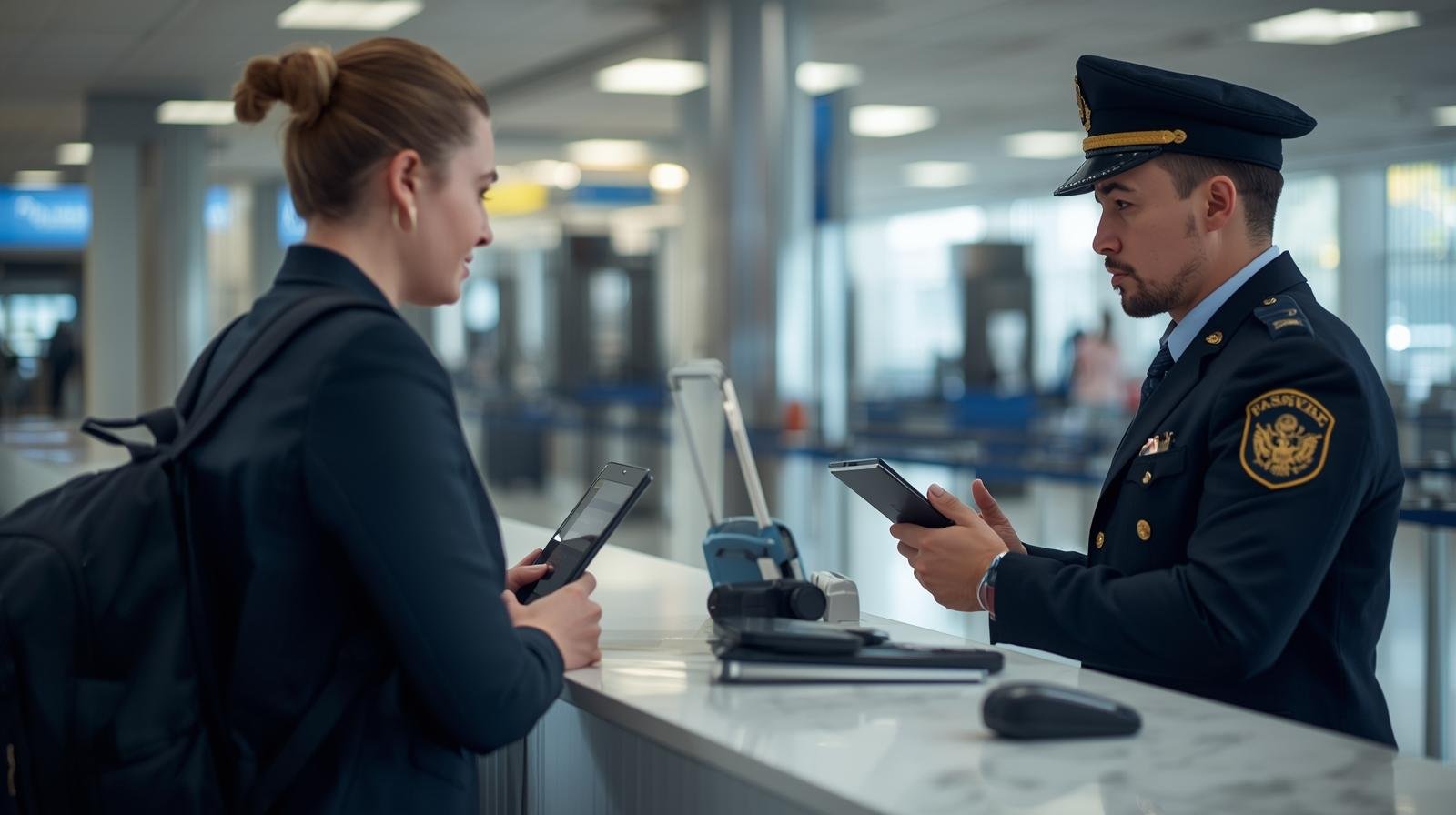
That moment when you finally arrive at your dream destination, only to realize your heart is pounding because you’re standing in front of an immigration officer. Will your documents pass the test? Will you be allowed in? I’ve been there, sweating nervously while an official slowly scrutinizes my passport!
I’ve learned that the single biggest secret to stress-free border crossings isn’t about having a friendly smile; it’s about absolute document preparedness. A border guard’s job is to enforce rules, and if your papers aren’t perfect, your adventure could end right there at the entry desk.
This is your ultimate, experience-driven guide for beginners, ensuring you know exactly what your passport needs, how to handle visas, and the non-negotiable proof you must carry to breeze through customs every single time. Get ready to sail through the border and straight into your vacation! For all your travel deal needs, remember to visit LastMinGo.com!
The Golden Rule: Your Passport Is Not a Library Book!
Your passport is your single most important travel document, but many travellers fail to check its expiration date, which can lead to immediate denial of boarding or entry.
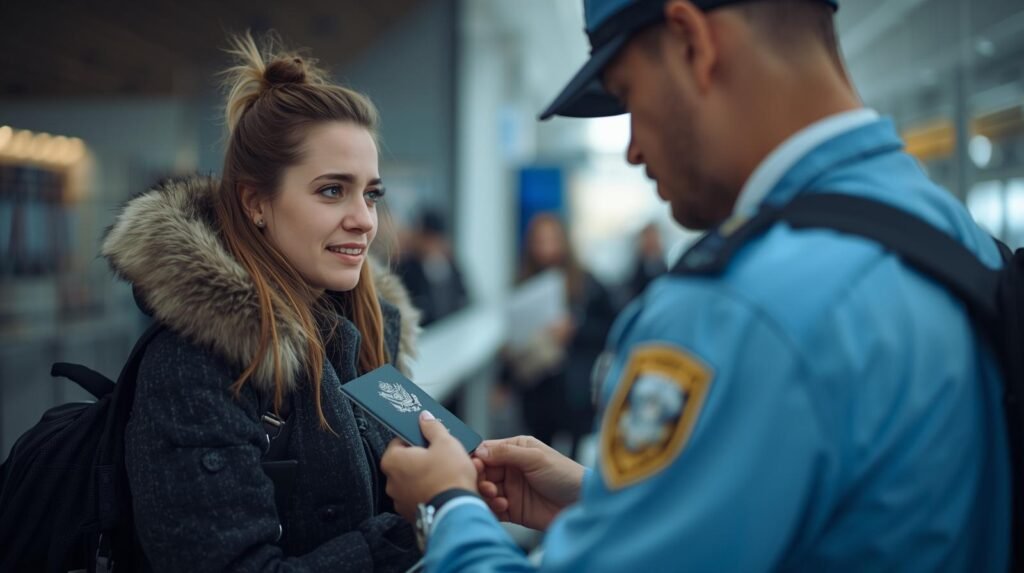
Technique Spotlight: The “6-Month Validity” Rule
- What it is: Most countries require your passport to be valid for at least SIX MONTHS beyond your intended date of departure from their country.
- The Reality: If your passport expires five months and 29 days after you plan to leave, the airline may deny you boarding, or the immigration officer will deny you entry. This rule is non-negotiable!
- Passport Condition: Ensure your passport has no damage (no tears, no missing pages, no water damage). A damaged passport is considered invalid.
- Recommended for: Everyone. Check your passport’s expiration date right now!
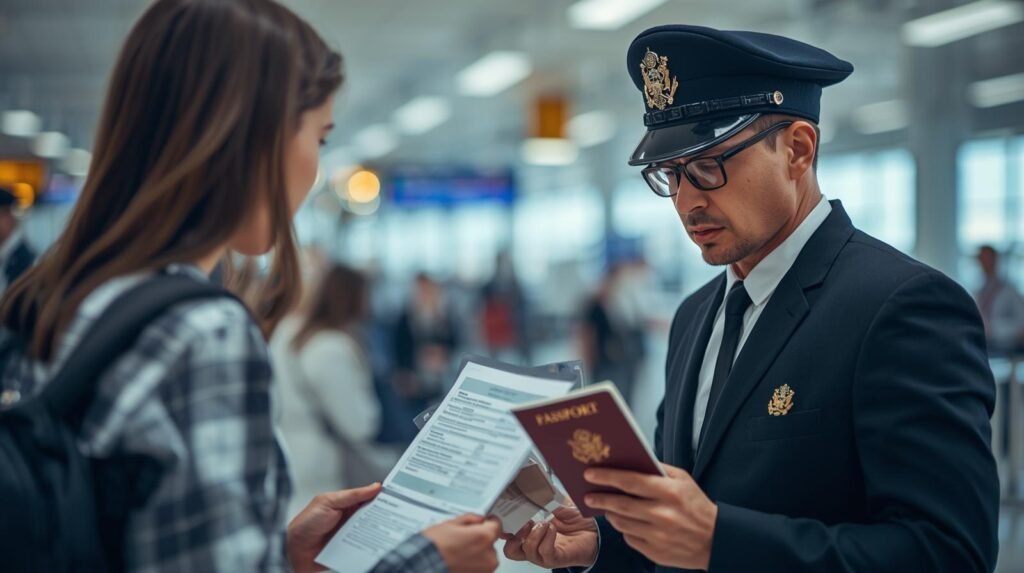
1. Visa Victory: Knowing Your Requirements
The visa is where most beginners make a crucial mistake. Never assume you don’t need one!
- The Research Tactic: Use the official website of the country you are visiting to check their visa requirements for your nationality. DO NOT rely on blogs or rumors.
- The “3-Types” Checklist:
- Visa-Free Entry: The simplest scenario (e.g., EU citizens traveling within the Schengen Area).
- Visa-on-Arrival (VOA): You get the visa when you land at the airport. CRITICAL: Carry the required fee in cash (usually USD or EUR) and have two passport-sized photos ready.
- Pre-Arranged Visa: You must apply online or at an embassy before you travel. WARNING: This can take weeks, so plan well in advance!
- E-Visa Confirmation: If you obtain an electronic visa (e-Visa), print out the confirmation page and keep it with your passport. Digital systems fail; paper does not.
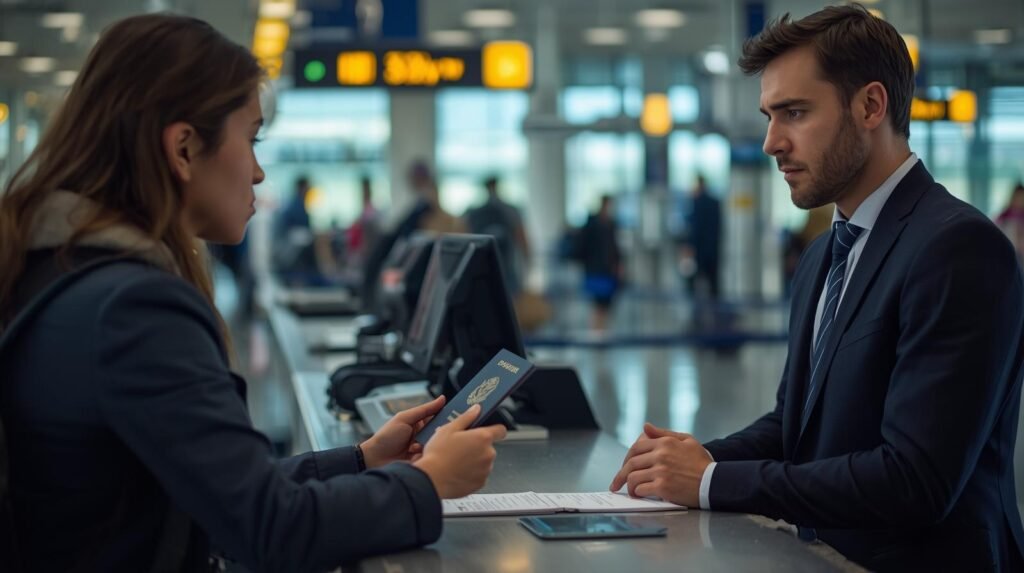
2. Proof of Intent: The Documents That Guarantee Entry
Immigration officers often ask for proof that you are a genuine tourist who intends to leave the country. Without these, you look suspicious!
- The Exit Ticket Proof:Mandatory for almost all countries. You must have proof of your onward or return ticket. They need to see a confirmed booking showing you are leaving their territory by a specific date.
- Pro Example: If you are flying into Thailand, they need to see your ticket leaving Thailand, even if you are traveling to Vietnam next.
- The Accommodation Confirmation: Carry a printed copy of your first few nights’ hotel or hostel reservation (or an official letter from a host). Benefit: This proves you have a place to stay and are not planning to illegally reside in the country.
- Proof of Funds: Be prepared to show evidence (bank statement, credit card) that you have enough money to support yourself during your stay without working illegally. The officer may ask to see this!
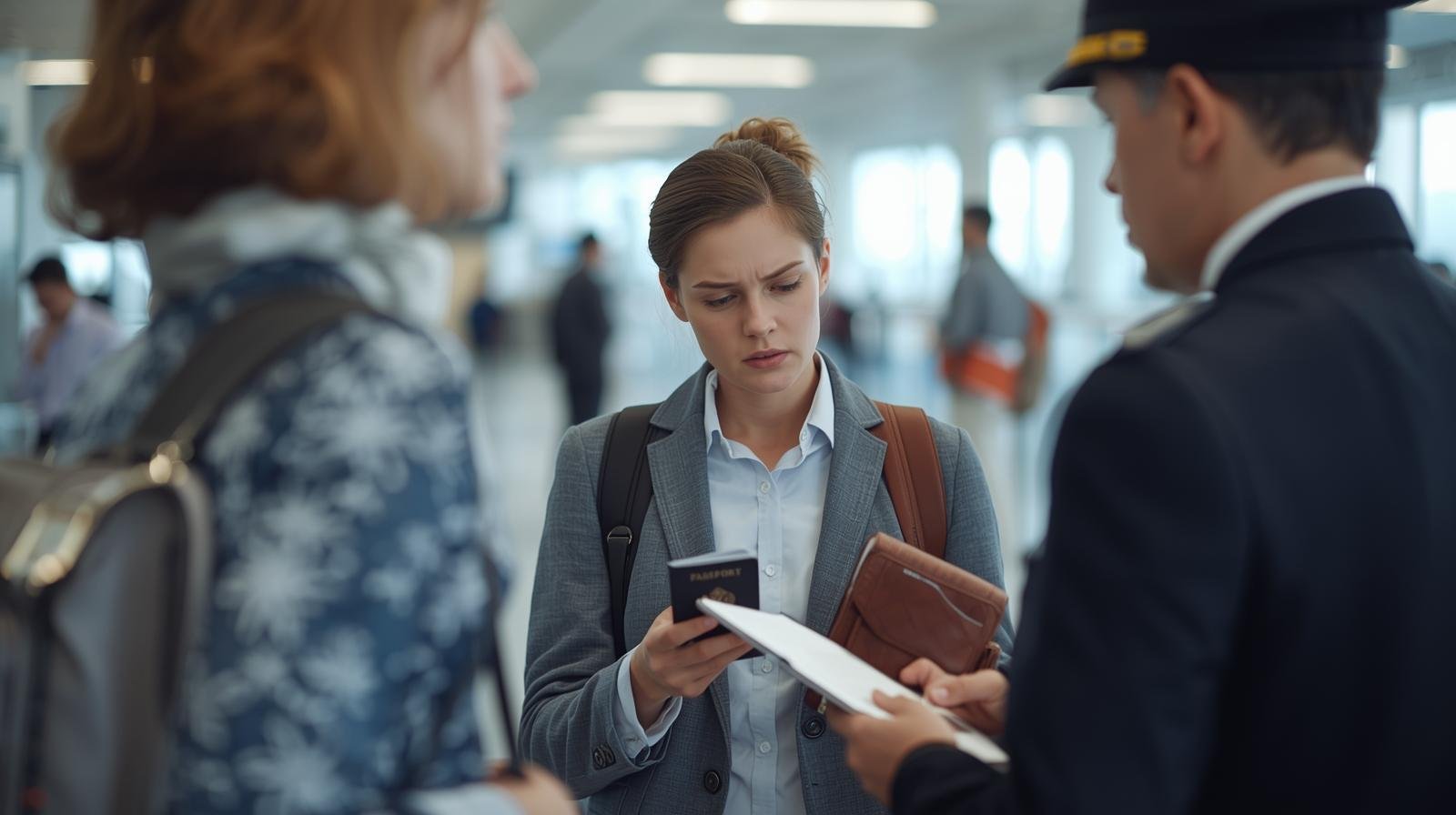
3. Document Security: Protecting Your Paperwork
Losing your passport is the absolute worst-case scenario. Be prepared.
- The Digital Triple Backup: Take a clear photo of your passport (main photo page), your visa, and your primary credit card (front and back). Store these files in three separate, secure places (encrypted cloud folder, phone photo album, and a paper photocopy kept separate from your main wallet).
- The Embassy Contact Card: Before leaving, look up and write down the full address and phone number for your country’s Embassy or Consulate in your destination city. Keep this information with your emergency fund.
- Keep Your Passport on Your Person: Do not put your passport in your checked luggage! Once you arrive, keep it secured in a zipped inner pocket or anti-theft belt. Only give it to authorized personnel (hotel staff for check-in, border agents).
Mastering your documents eliminates border stress and ensures a smooth start to your incredible journey. Do the homework, travel smart, and enjoy your well-deserved adventure!
For more insider tips on navigating travel logistics and finding the best deals, make LastMinGo.com your trusted source for all things tourism!
Don’t forget to include the link if you share this post!