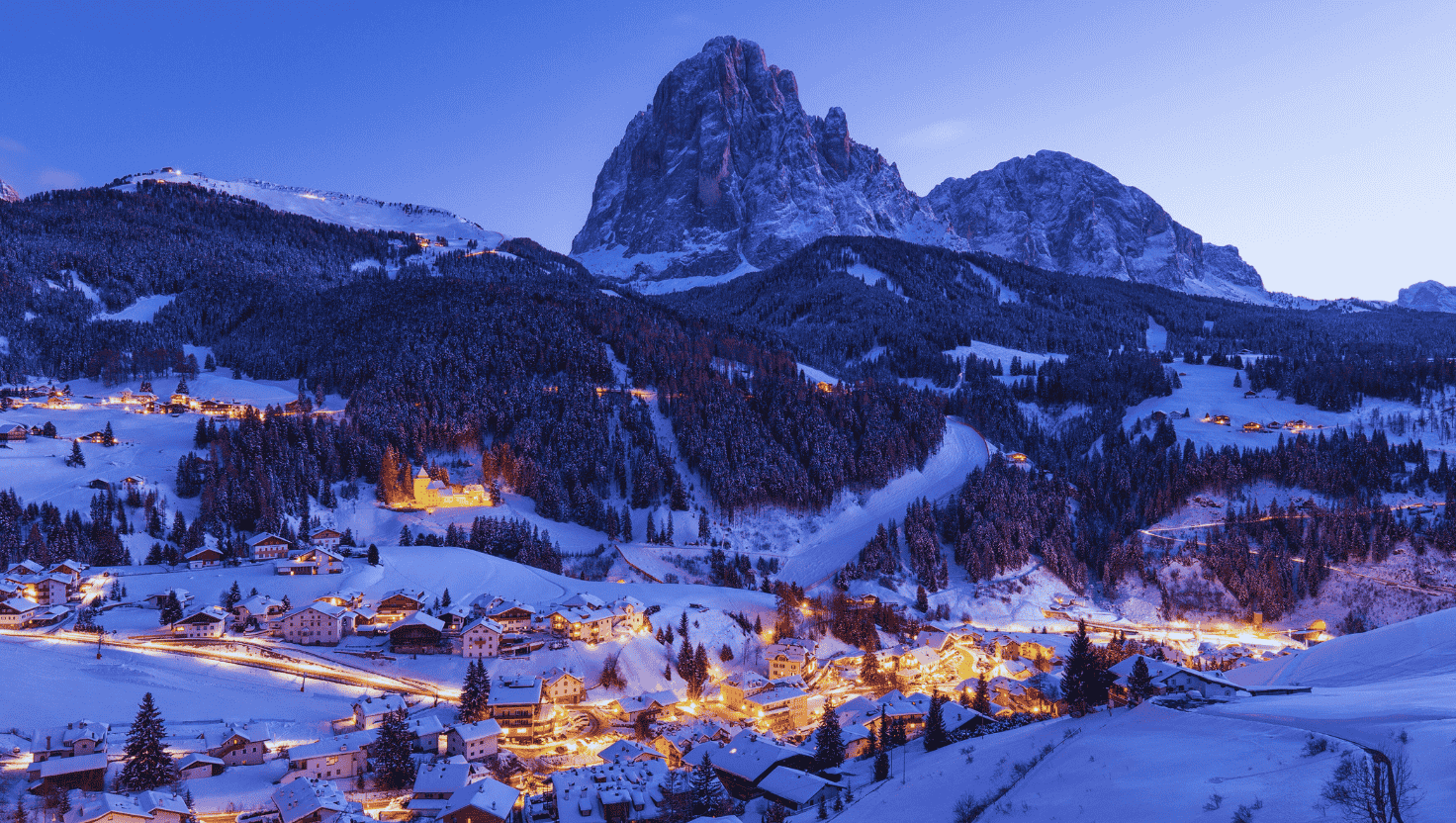
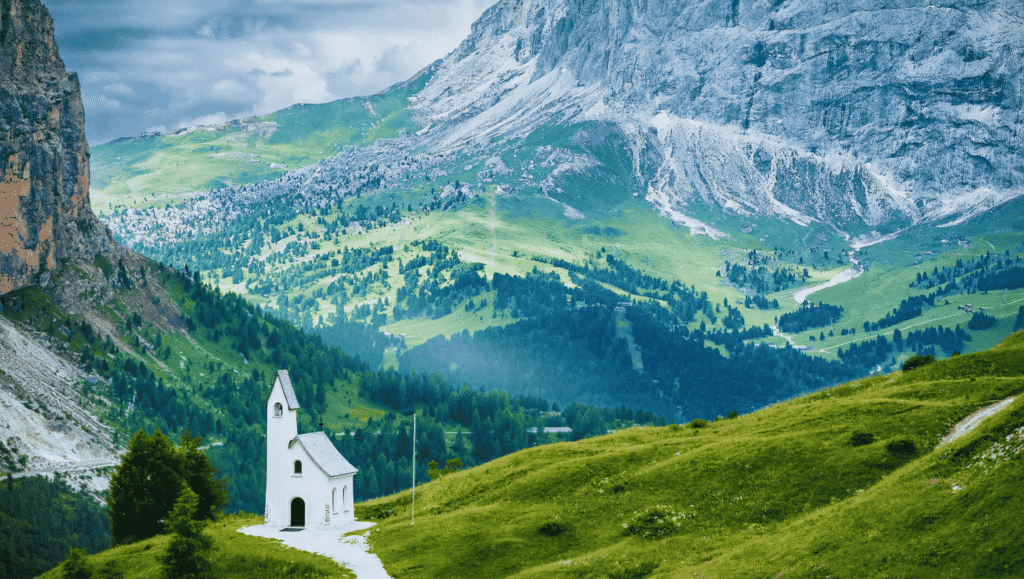
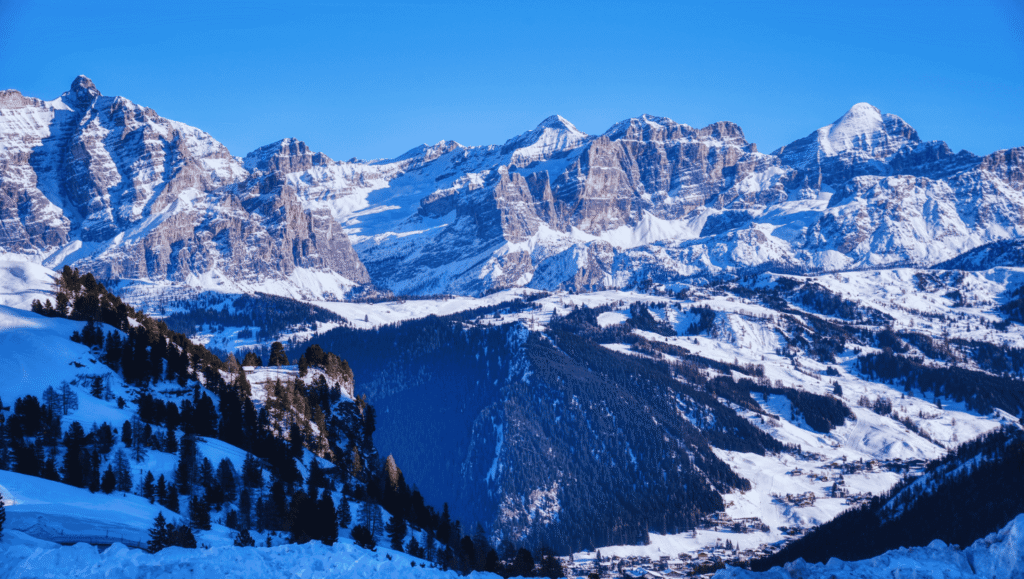
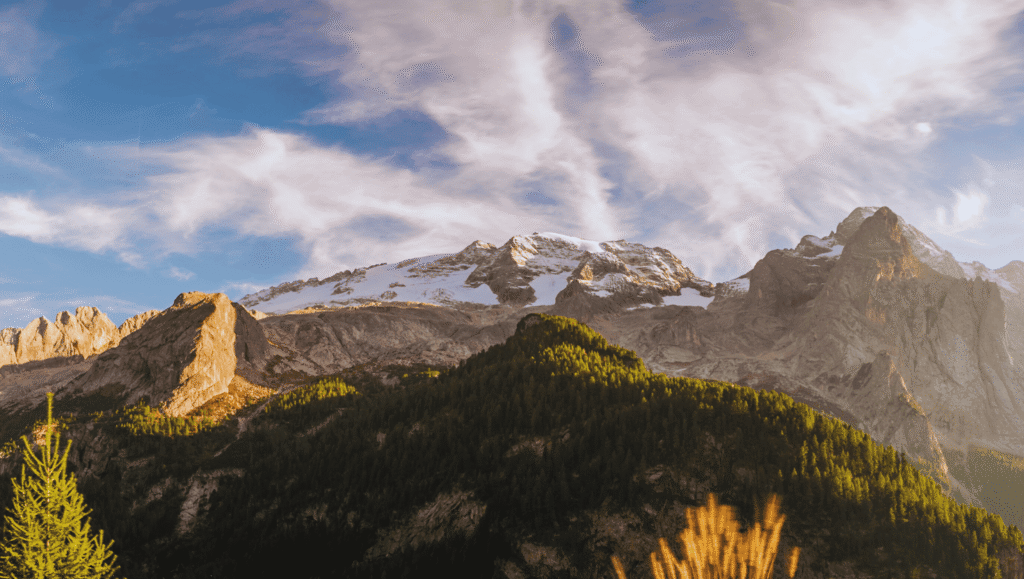
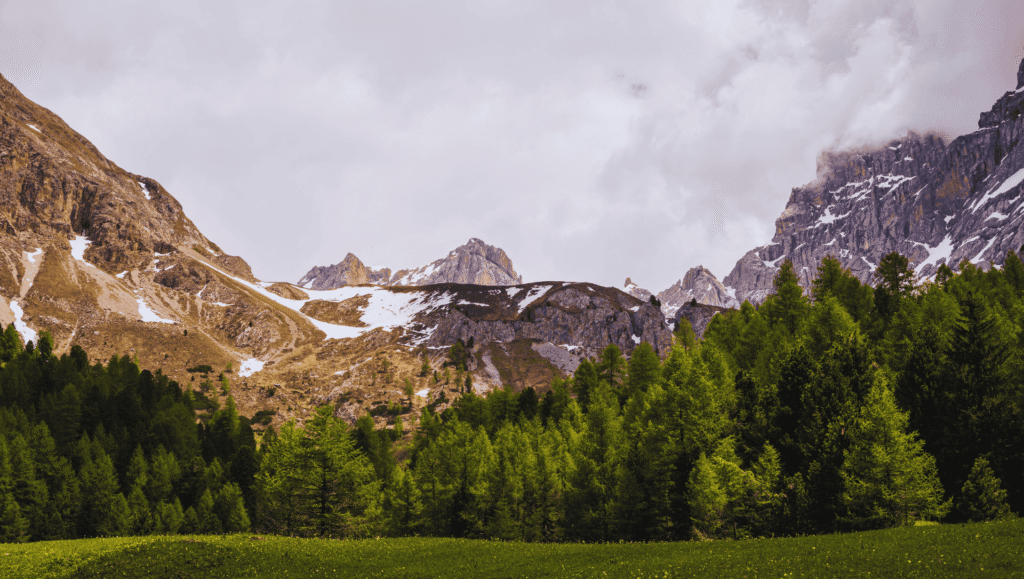
There are mountains that are high, and those that are mighty. And then there are the Dolomites—mountains with a soul. Mountains that are not just heaps of gray rock, but pale, jagged peaks that change color with every movement of the sun. At dawn and dusk, their rocks are bathed in an unreal pink, orange, and purple light, a phenomenon known as Enrosadira. In those moments, you realize you’re not just skiing on a mountain, but on the canvas of one of the greatest artists—nature.
Welcome to the Dolomites, arguably the most beautiful ski resort in the world and a UNESCO World Heritage site. This isn’t just a winter holiday; it’s a pilgrimage. It’s a place where perfectly groomed slopes merge with spectacular landscapes, where Austrian efficiency meets Italian passion for life (la dolce vita), and where lunch in a mountain hut (rifugio) is a gastronomic experience in itself.
A spontaneous trip to this paradise might sound like an impossible mission, but it’s actually a decision to treat yourself to the best. And while you do need to organize in advance for the most popular periods, the beauty of the Dolomites lies in their size and diversity, which always offer a chance to find your perfect corner, even at the last minute.
This is your comprehensive guide to conquering one of the largest and most beautiful ski areas on the planet. Get ready for a skiing experience like no other.
The Dolomite Decoder: Your Guide to the World’s Largest Ski Area
Before you hit the slopes, it’s crucial to understand the concept that makes the Dolomites unique.
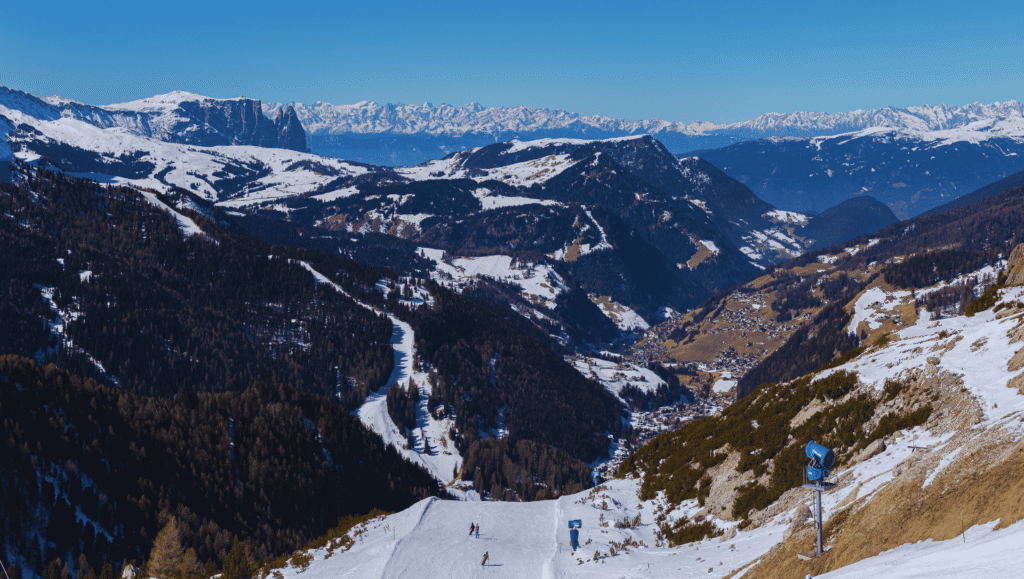
1. What is Dolomiti Superski? Your Key to 1,200 km of Slopes Imagine having access to 12 different ski regions, with over 450 lifts and 1,200 kilometers of perfectly groomed slopes, all with a single ski pass. That’s not a dream; that’s Dolomiti Superski. This system allows you to ski in a new valley every day, on new slopes, without ever repeating yourself. It’s the largest connected ski area in the world and the reason why the Dolomites are so special.
2. Timing and Last-Minute Tactics
The Season: Lasts from late November to mid-April, thanks to an excellent snowmaking system and high altitude.
Best Time to Go:January (after the holidays) and March are ideal. There are fewer crowds, prices are lower, and skiing conditions are often perfect (with plenty of sun in March).
The “Last-Minute” Approach: Avoid the New Year’s period and February. For a more spontaneous trip, aim for the “Ski Closing” weeks in March and April, when you can often find great deals on accommodation and ski passes.
3. Getting There: The Journey to the Heart of the Alps
By Car: The drive from central Europe is long but entirely on motorways, passing through beautiful scenery. This is the most flexible option.
By Plane: The nearest airports are Venice (VCE), Treviso (TSF), and Verona (VRN) in Italy, or Innsbruck (INN) in Austria. From there, you can rent a car or use organized shuttle buses to the resorts.
4. South Tyrol – Italy with an Austrian Flavor A large part of the Dolomites is in the South Tyrol region (Südtirol), which was part of the Austro-Hungarian Empire until the end of World War I. So don’t be surprised that all signs are bilingual (German and Italian), the architecture is Alpine, and the cuisine is a perfect fusion of Austrian and Italian.
Chapter I: Choosing Your Perfect Valley
Dolomiti Superski consists of 12 valleys, but the heart of the system is the famous Sella Ronda, a ski “carousel” around the Sella massif. We will focus on the four key valleys that make up this circuit.
1. Val Gardena: World Cup Racing, Charm, and Ladin Culture
The Vibe: Lively, sporty, cosmopolitan. Arguably the most famous valley, a perfect balance of world-class skiing and charming Alpine towns (Selva, S. Cristina, Ortisei).
The Skiing: Home to the famous Saslong World Cup downhill race. It offers a huge variety of slopes for all levels, from gentle beginner areas to steep black runs. It has direct access to the Sella Ronda in both directions.
Who is it for? Almost everyone. An excellent choice for a first visit to the Dolomites.
2. Alta Badia: A Gourmet’s Paradise on Snow
The Vibe: Elegant, relaxed, hedonistic. Alta Badia is known as the gastronomic capital of the Alps.
The Skiing: A paradise for intermediate skiers and those who love to cruise. The slopes are as wide as highways, perfectly groomed, and mostly blue and red. Ideal for long, relaxed carving and enjoying the views.
The Gastronomy: This area has the highest concentration of Michelin stars in the Alps. The mountain restaurants (rifugi) are on par with top fine-dining establishments.
Who is it for? Foodies, hedonists, and skiers who appreciate perfectly manicured slopes and great food over extreme challenges.
3. Arabba / Marmolada: Adrenaline and the Roof of the Dolomites
The Vibe: Serious, sporty, dramatic. Arabba is a small, quiet village, but it provides access to the most demanding slopes on the Sella Ronda.
The Skiing: The runs descending towards Arabba are steep, icy, and challenging. But the ultimate prize is access to Marmolada, the highest peak in the Dolomites (3,343 m). Skiing the 12-km long “La Bellunese” run from the top of the glacier is an unforgettable experience.
Who is it for? Excellent, advanced skiers looking for a challenge and an adrenaline rush.
4. Val di Fassa: Italian Charm and Affordability
The Vibe: Lively, Italian, family-friendly. This valley offers a more authentic Italian feel and is often more affordable than its northern neighbors.
The Main Towns: Canazei and Campitello.
The Skiing: An excellent choice of slopes for intermediate skiers and families, with direct access to the Sella Ronda.
The Après-Ski: A very lively scene with an emphasis on Aperol Spritz and good music. A wide selection of pizzerias and restaurants with reasonable prices.
Who is it for? Families, younger skiers, and those looking for great value for money with a vibrant atmosphere.
Chapter II: The Sella Ronda – A Carousel of Life on Skis
This is probably the most famous ski tour in the world and the reason many come to the Dolomites.
What is the Sella Ronda? It’s a circular route of about 40 km (of which about 26 km are on skis) that takes you around the massive Sella mountain group, connecting the four aforementioned valleys. It can be completed in a single day.
Two Directions:
The Orange Route (Clockwise): Considered slightly more demanding and often offers better views.
The Green Route (Counter-clockwise): Considered slightly easier, with more drag lifts and chairlifts.
Logistics and Planning: Start early, no later than 10 AM. Follow the orange or green signs. You need to be a solid intermediate skier, comfortable on red slopes.
The Experience: The Sella Ronda is not just skiing. It’s a journey. In one day, you will pass through breathtaking landscapes, see different mountain peaks, hear both German and Italian, and have lunch in a restaurant with a completely different atmosphere from where you had breakfast. It’s the ultimate ski safari.
The Dolomite Kitchen: Where the Alps Meet the Mediterranean
The food on the slopes in the Dolomites is a story in itself. Forget greasy burgers. Here, true gourmet experiences await you.
Dishes You Must Try:
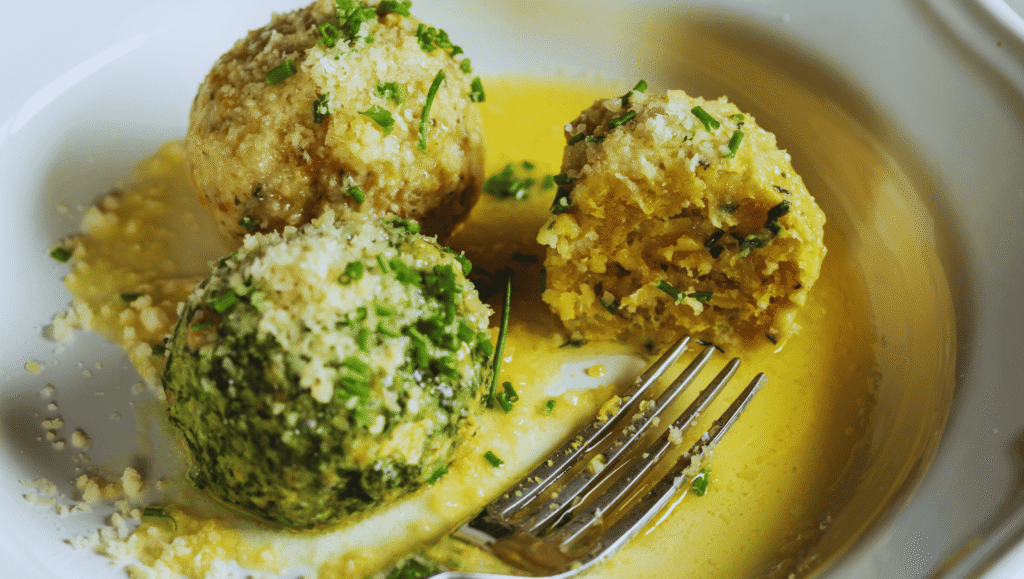
Canederli: Dumplings made from old bread with speck, served in a beef broth or with melted butter and cheese.
Schlutzkrapfen: A type of ravioli filled with spinach and ricotta.
Spätzle: Homemade pasta, often with spinach and a creamy cheese and ham sauce.
Apfelstrudel: The perfect apple strudel, served warm with vanilla sauce.
Drinks on the Slopes:
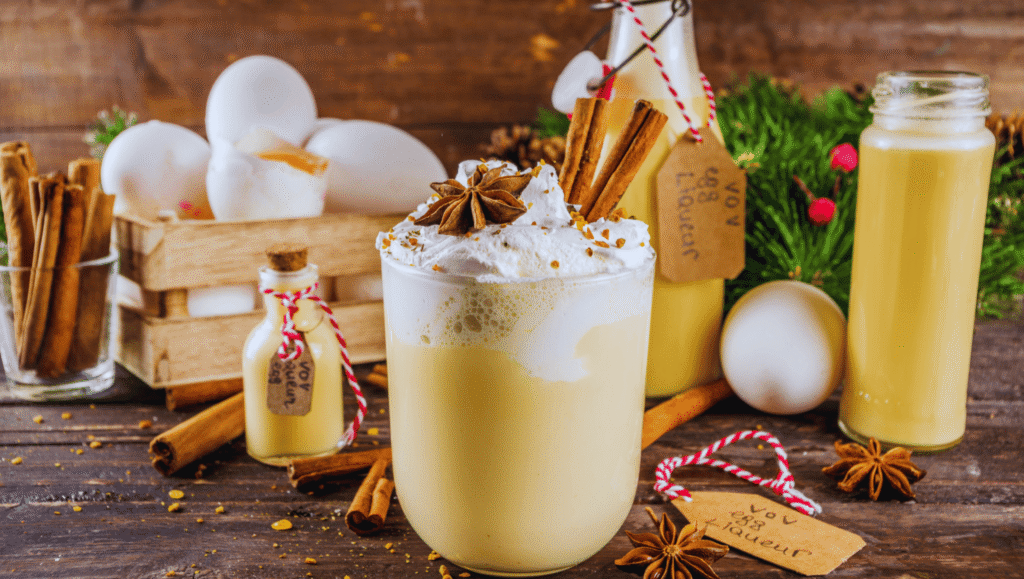
Bombardino: An “energy bomb.” A warm liqueur of egg and rum, topped with whipped cream.
Aperol Spritz: The number one drink for après-ski. Refreshing and beautifully orange.
Conclusion: More Than Skiing, A Formative Experience
The Dolomites are not just another ski resort on the map. They are a UNESCO World Heritage site that, by some miracle, transforms into the world’s largest ski playground every winter. Skiing here is a privilege. It is a dance with the mountains, a journey through surreal landscapes, and a daily indulgence in food and wine that warms the soul.
You will return home not just with tired muscles, but with eyes full of beauty, a stomach full of satisfaction, and a heart full of respect for the magnificent, pale mountains.