

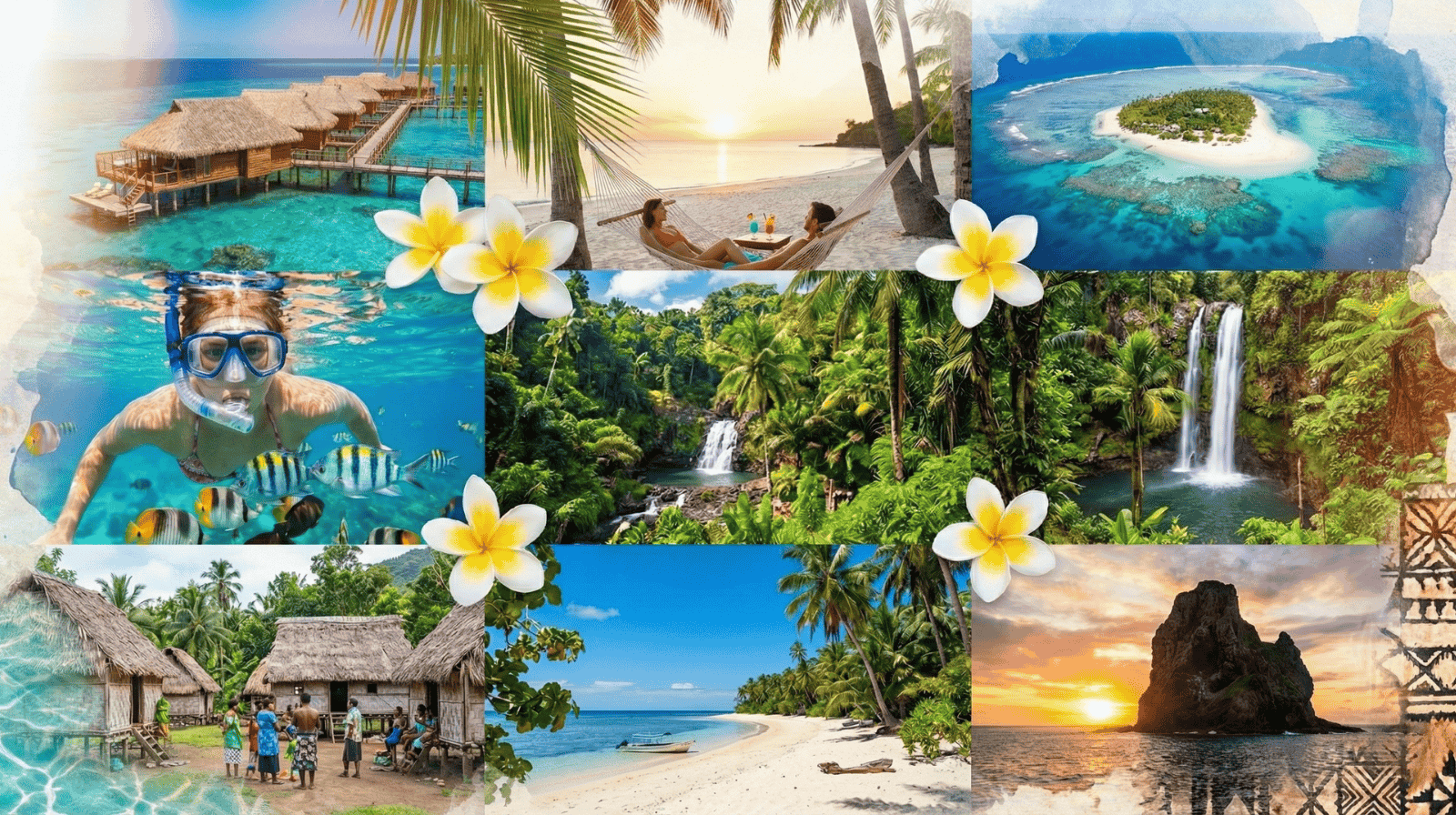
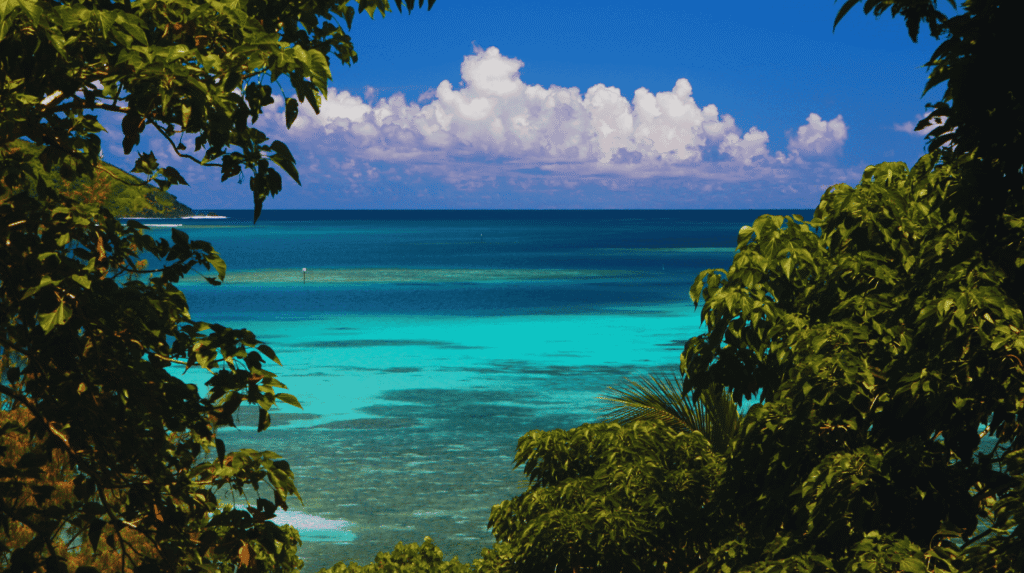
There is a place on the planet where time slows down so much that it almost stops. Where the air is filled with the sweet, intoxicating scent of tropical flowers, and the only sound that breaks the silence is the gentle lapping of a turquoise ocean against perfectly white sand. A place where a smile is the national currency, and the warmest greeting in the world, “Bula!“, echoes from the lips of everyone you meet.
That place is not a dream. It is Fiji.
An archipelago of over 300 islands scattered across the South Pacific like a handful of jewels, Fiji is more than a destination-it’s a promise. The promise of a true and total escape. An escape from deadlines, crowds, noise, and worries. In a world that constantly demands our attention, Fiji asks for only one thing: that we surrender.
A “quick escape from reality” here doesn’t mean a short trip. The journey to the heart of the Pacific is long. But the moment you step off the plane, feel the warm, humid air, and hear the first, sincere greeting of “Bula, welcome home!“, the reality you left behind becomes a distant, unimportant memory. Your detox, your quick escape, begins in that instant.
This is your guide to that journey. Your map to hidden coves, turquoise lagoons, and that priceless feeling of peace. Get ready to dive into a world where “Fiji time” is the only time that exists.

The Gateway to Paradise: Logistics for a Trip to the Heart of the Pacific
Traveling to Fiji is a grand adventure, and good preparation is the key to a relaxed experience.
1. The Marathon Flight & Visas
- Flights: The journey to Fiji is likely one of the longest you can experience, often taking between 24 and 36 hours with at least two layovers. The most common routes are through major hubs in the Middle East (Istanbul, Doha, Dubai), then via Asia (Singapore, Hong Kong) or Australia/New Zealand to the main international airport in Nadi (NAN). Embrace the journey itself as part of the adventure.
- Visa: The great news is that for many nationalities (including the EU, UK, US, and Serbia), a visa is not required for tourist stays in Fiji for up to 90 days. Always double-check the latest policy for your specific country.
2. When to Go for the Perfect Escape Fiji has a tropical climate with two main seasons.
- The Dry Season (May to October): This is the absolute best time to visit. Temperatures are pleasant, humidity is lower, there’s plenty of sun, and rain is rare. The sea is calm and ideal for diving and other activities.
- The Wet Season (November to April): Warmer, more humid, and with more rainfall, usually in the form of short, powerful downpours. The advantages: prices are lower, there are fewer tourists, and nature is lusher and greener.
3. The Fijian Dollar and Your Budget The official currency is the Fijian Dollar (FJD). Fiji offers an incredible range, from very affordable backpacker dorms on the Yasawa Islands to ultra-luxurious private islands where a night costs thousands. Generally, prices for food and activities outside of the luxury resorts are reasonable.
4. Island Hopping: The Key to Your Adventure The heart of Fiji is not on the main island but on the smaller, paradise islands. You reach them from Port Denarau.
- The Yasawa Flyer: This yellow catamaran is the lifeline for the Mamanuca and Yasawa Islands. It departs from Denarau every morning and sails north, stopping at about twenty islands along the way, and returns in the afternoon. You can buy a single-journey ticket or a “Bula Pass,” which allows you to hop on and off the boat as much as you like over a period of several days.
- Private Transfers and Seaplanes: Faster, but significantly more expensive options, usually reserved for guests of luxury resorts.
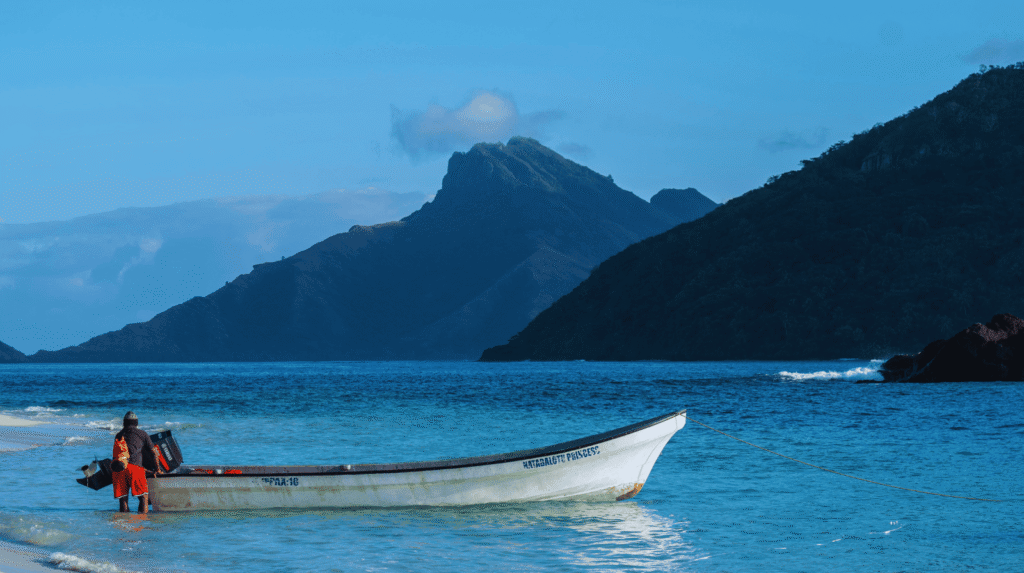
Chapter I: Viti Levu – The Main Island and Point of Arrival
Nearly every visitor first lands on Viti Levu. While the real magic lies further afield, the main island also has its charms.
- Nadi and Denarau: The Gateway and the Waiting Room
- Nadi: The functional city where the airport is located. Here you can do some shopping, visit the vibrant local market, and see the Sri Siva Subramaniya Hindu temple.
- Port Denarau: 15 minutes from Nadi, this is a modern, manicured tourist hub with luxury hotels (Sheraton, Hilton, Radisson), a golf course, and the marina. All boats to the outer islands depart from here. It is your waiting room for paradise.
- The Coral Coast: A Family Sanctuary
- The Experience: A long stretch of coastline on the south side of the island, known for its large, self-contained resorts ideal for families. It offers beautiful beaches and easy access to the island’s interior and cultural experiences, like visiting local villages or taking a river safari.

Chapter II: The Mamanuca Islands – Postcard Paradise Within Reach
Just a one to two-hour boat ride from Denarau lies an archipelago made for posters and honeymoons.
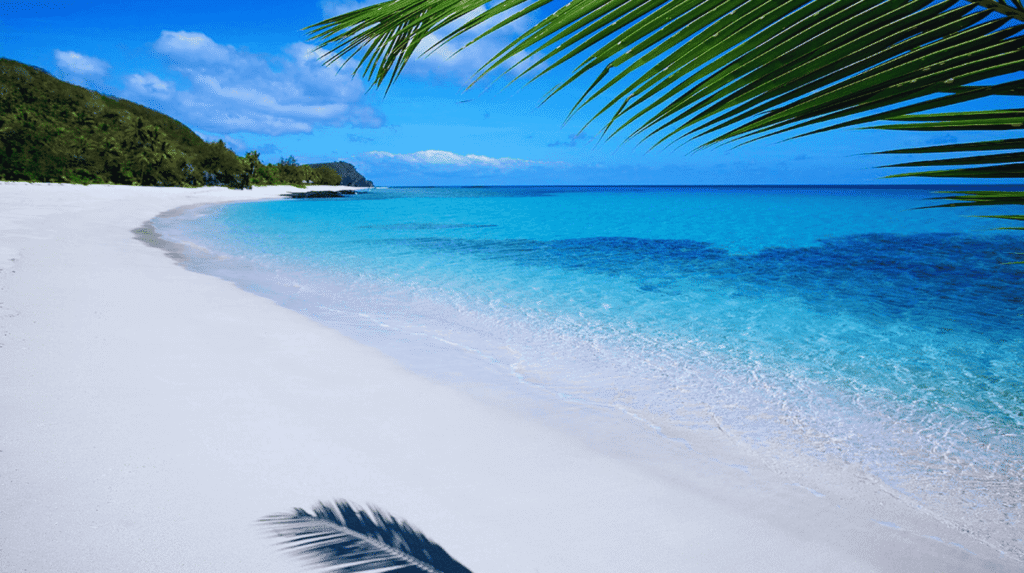
Why the Mamanucas? Because they offer that classic image of paradise: small islands with white sand, fringed with palm trees, and surrounded by turquoise water and coral reefs. They are accessible, well-developed, and offer a wide range of accommodation.
The Vibe & Who It’s For: Romantic, relaxing, luxurious. Perfect for honeymooners, couples seeking privacy, and families wanting a safe and beautiful environment.

Island Choices (by experience):
- For Ultimate Romance & Luxury: Tokoriki Island Resort or Likuliku Lagoon Resort. Likuliku has Fiji’s only authentic overwater bungalows (bures).
- For Socializing & Relaxed Fun: Beachcomber Island is known as Fiji’s original “party island,” though it’s a bit calmer now. Mana Island is a larger island that offers a good balance of relaxation and social activities.
- For Film Fanatics: Monuriki is the uninhabited island where the movie Cast Away with Tom Hanks was filmed. Many tours stop here so you can shout “Wilson!”.
Chapter III: The Yasawa Islands – Wild Beauty and Authentic Fiji
If you’re ready for a longer boat ride (2-5 hours), the Yasawa archipelago will reward you with raw, untouched beauty and a sense of true adventure.
Why the Yasawas? Because they are volcanic in origin, more dramatic, more mountainous, and much less developed. Tourism here is often done in partnership with local villages, offering a more authentic experience. The further north you go, the stronger the feeling of isolation.
The Vibe & Who It’s For: Adventurous, authentic, remote. For backpackers, divers, hikers, and anyone who wants to completely disconnect and experience Fiji in its more natural form.
Island Choices (by region and experience):
- Southern Yasawas (Kuata, Wayalailai): Drama and Sharks. Characterized by dramatic volcanic peaks. Kuata is famous for its organized bull shark dives-a safe and incredible experience.
- Central Yasawas (Naviti, Drawaqa): An Encounter with Manta Rays. From May to October, the main attraction here is the chance to swim with giant, graceful manta rays that feed in a narrow channel between the islands.
- Northern Yasawas (Nacula, Tavewa): The Blue Lagoon. This is the most beautiful and famous part of the Yasawas, made famous by the movie “The Blue Lagoon.” The water here is unbelievably blue and calm. You can visit the Sawa-i-Lau Caves, a sacred site where you can swim in underground pools.
Experiences That Heal the Soul: Activities for Your Detox
In Fiji, the best activity is often doing nothing at all. But when you crave movement, here’s what you shouldn’t miss.
- Diving & Snorkeling: Fiji is known as the “Soft Coral Capital of the World.” The underwater world is an explosion of color.
- The Kava Ceremony: You will be invited to participate in this. Kava (or yaqona) is a traditional drink made from the root of a pepper plant. It has a mild relaxing effect. Accepting a cup of kava is a sign of respect.
- A “Lovo” Feast: The traditional way of preparing food in an earth oven. Meat, fish, and vegetables wrapped in banana leaves are cooked for hours underground. The taste is incredible.
- Visiting a Local Village: To understand Fiji, you must meet its people. Always go with a guide or as part of a tour organized by your resort. Bring a small gift (sevusevu), usually kava root, for the village chief.
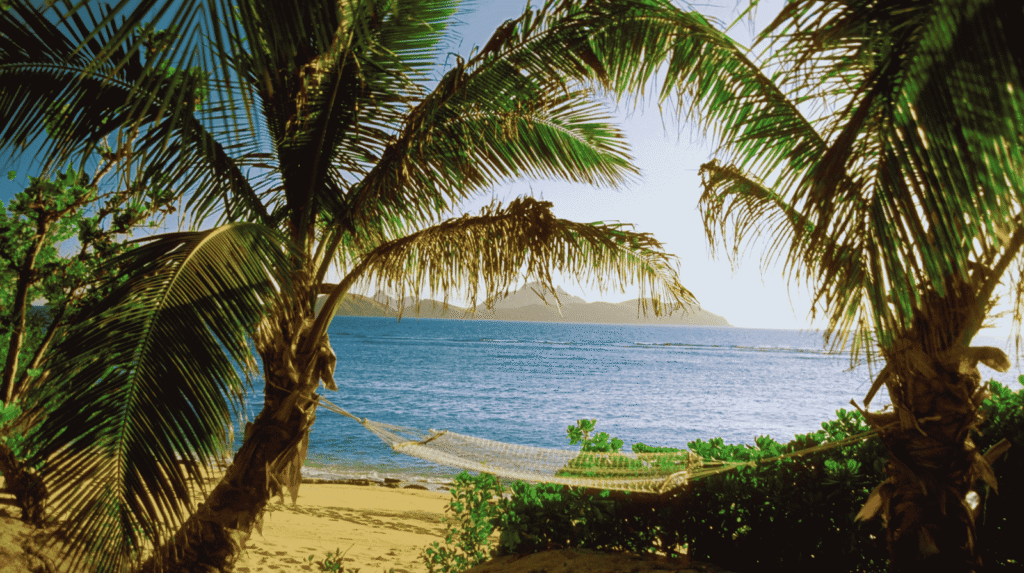
- Embracing “Fiji Time”: The most important skill you’ll learn. It’s the concept of a life without rush. Things happen when they happen. Instead of getting stressed, accept it. Lie in a hammock, gaze at the palms and the ocean, and just breathe. That is the ultimate detox.

Conclusion: The Return to Yourself
Fiji is not just a collection of islands on a map. It’s a promise. A promise that a world without stress, noise, and rush exists. A world painted in unreal shades of blue and green, filled with the most sincere smiles and warmest greetings you will ever hear.
A “quick escape from reality” in Fiji is a profound, transformative journey. You will return with a tan, but more importantly, you will return with peace in your soul. With the realization that happiness is truly in the small things-in a sunset, in the song of children from a nearby village, in the taste of fresh coconut. And the word “Bula,” which means life, health, and happiness, will echo within you long after you return, a reminder of the paradise you found on the other side of the world.